Guides & Resources for Healthcare Professionals
Technical articles on disposable medical supplies, selection and best practices for hospitals and clinics worldwide.
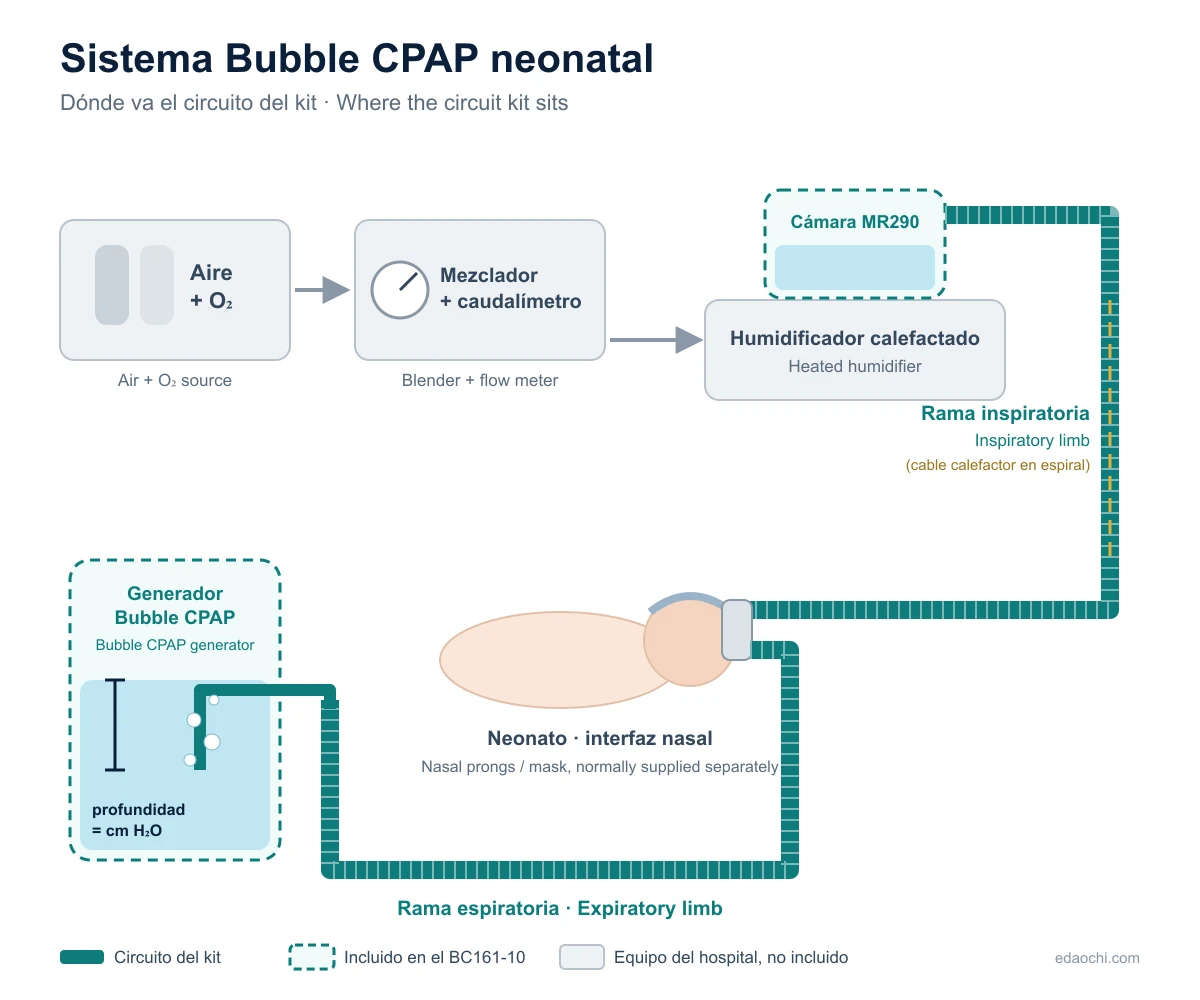 Respiratory / Neonatology
Neonatal Bubble CPAP Circuits: How to Check Compatibility Before You Buy (Checklist for Hospitals and Distributors)
A Bubble CPAP circuit that does not fit the unit's humidifier or nasal interface is useless. What the kit includes and what it does not, the 5 compatibility points (chamber, heated wire, connectors, interface, generator), which photos to send and which documents to ask for before buying.
Read full article →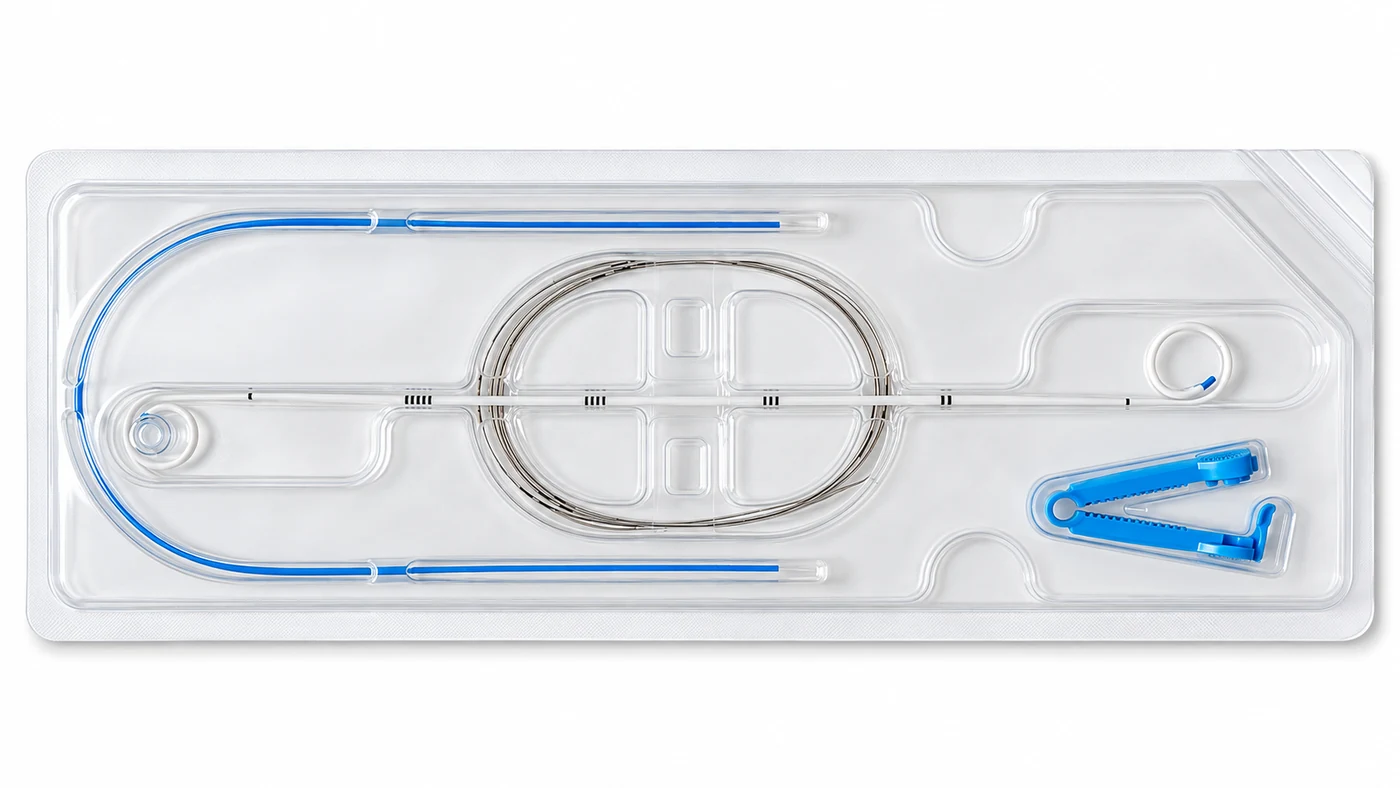 Urology
Double-J Ureteral Stents: How to Choose Size (Fr) and Length (cm) and Build a Unit's Assortment
The one family in the urology catalogue where the right reference is not a product but a pair of measurements. How size is decided (4.8 and 6 Fr cover most of it) and length (the height rule, 20 to 28 cm), French to millimetre conversion, standard versus hydrophilic, open versus closed tips, why the double-J and the pigtail are not interchangeable, and how to build the assortment a unit consumes.
Read more →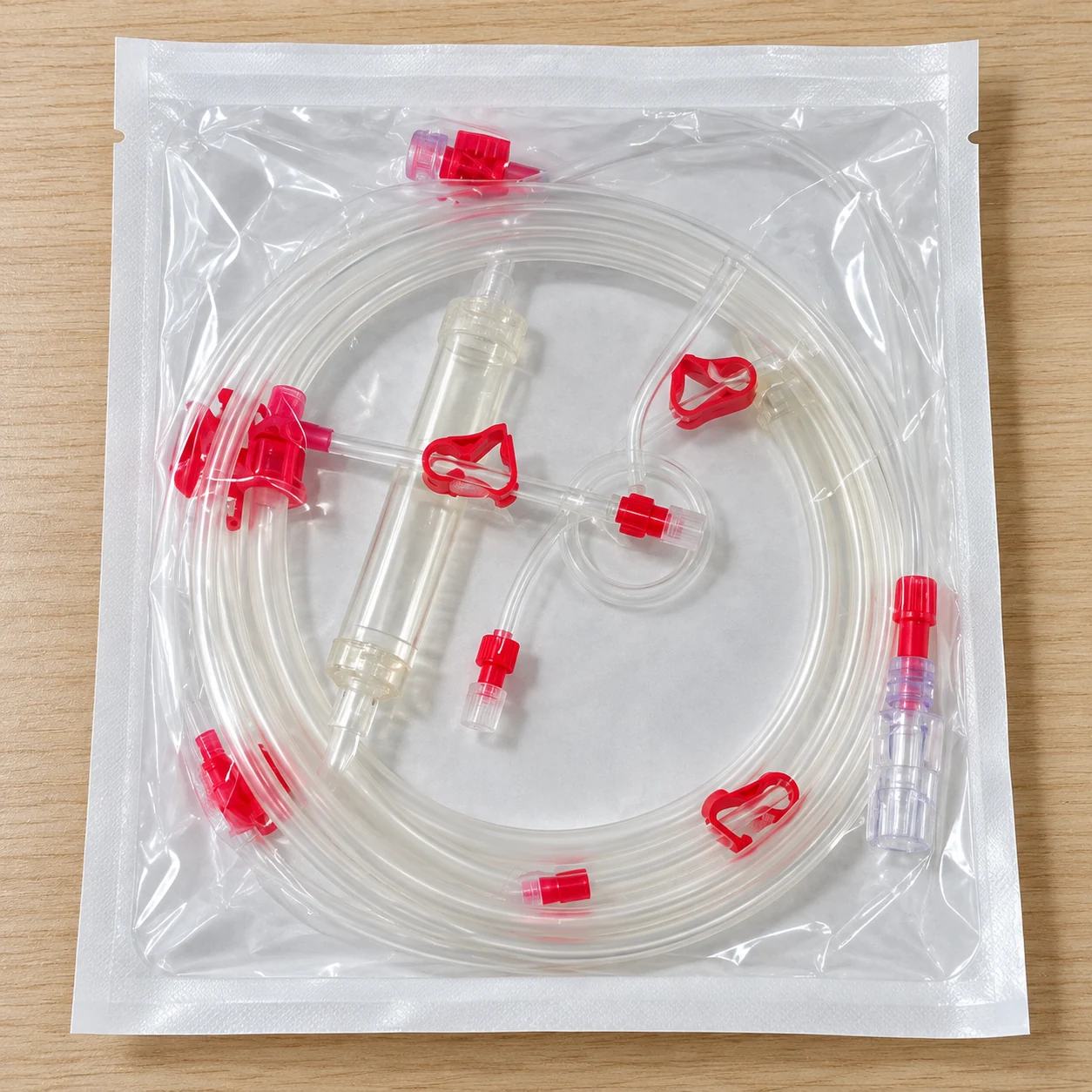 Nephrology / Dialysis
Hemodialysis Bloodlines: How to Choose the Pump Segment and Verify Machine Compatibility
Of the whole extracorporeal circuit, one part decides whether the line will work on your machine: the pump segment. Why 12.1 mm and 9.75 mm are not interchangeable, what happens to the flow on the display when the segment does not match, which machines will not take a generic line (Fresenius 5008/5008S and proprietary circuits), how to size a centre's annual consumption, and the five-figure checklist for quoting without back and forth.
Read more → Nursing / Supplies
Medical Gloves: How to Choose the Size, Latex vs Nitrile vs Vinyl, and How Often to Change Them
How to measure the size (XS–XL by palm width), the differences between latex, nitrile and vinyl and which task each is for, the change rules (single-use, between patient and dirty/clean task) and the associated hand hygiene. Plus what to check when buying gloves wholesale: AQL, powder-free, latex-free and ISO 10993.
Read more → Nursing / Biosafety
How to Put On and Remove PPE Step by Step (Gown, Gloves, Cap and Mask)
The correct donning and doffing order — where most self-contamination happens — why gloves go first and the mask comes off last and by the ties, what is changed between patients, and what to check when buying caps, shoe covers, gowns and gloves wholesale.
Read more → Respiratory / Supplies
How to Use and Maintain an Oxygen Concentrator: Filter Cleaning and Care
Step-by-step use, how often to clean each filter (foam inlet 1–2×/week, HEPA per manufacturer, humidifier daily), carer and technical maintenance, oxygen safety, and what to check when buying concentrators wholesale: stable concentration, accessible filters, alarms and service.
Read more →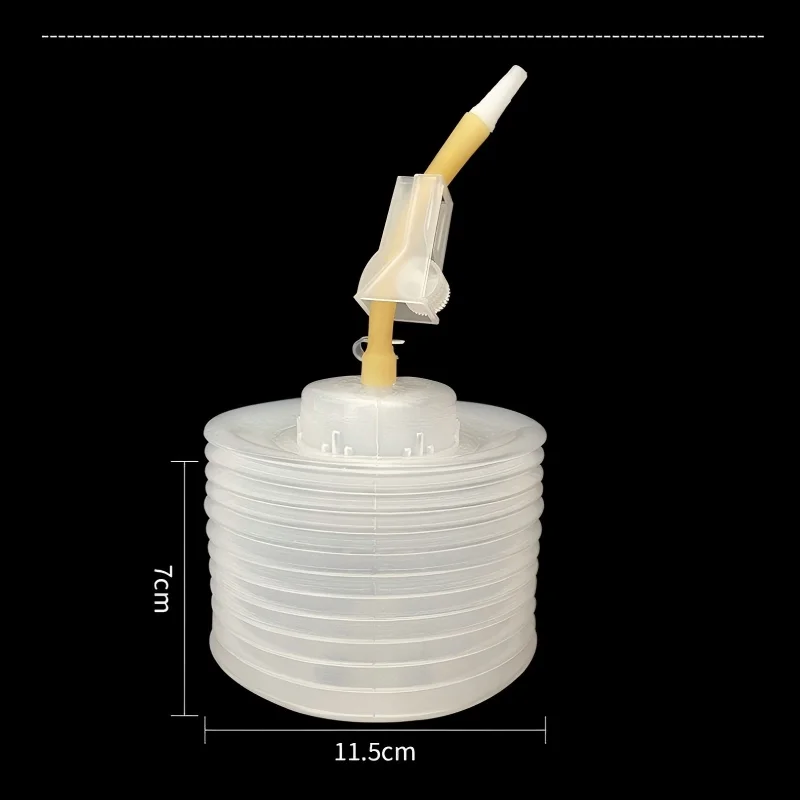 ICU / Supplies
Negative-Pressure Drain Care (Jackson-Pratt / Hemovac): Empty, Measure and Record
How the vacuum works and why it matters, how to empty the reservoir and restore suction (compress and close), how to measure and record the 24 h output, when the drain is removed, the warning signs, and what to check when buying negative-pressure drains wholesale for theatre and ICU.
Read more →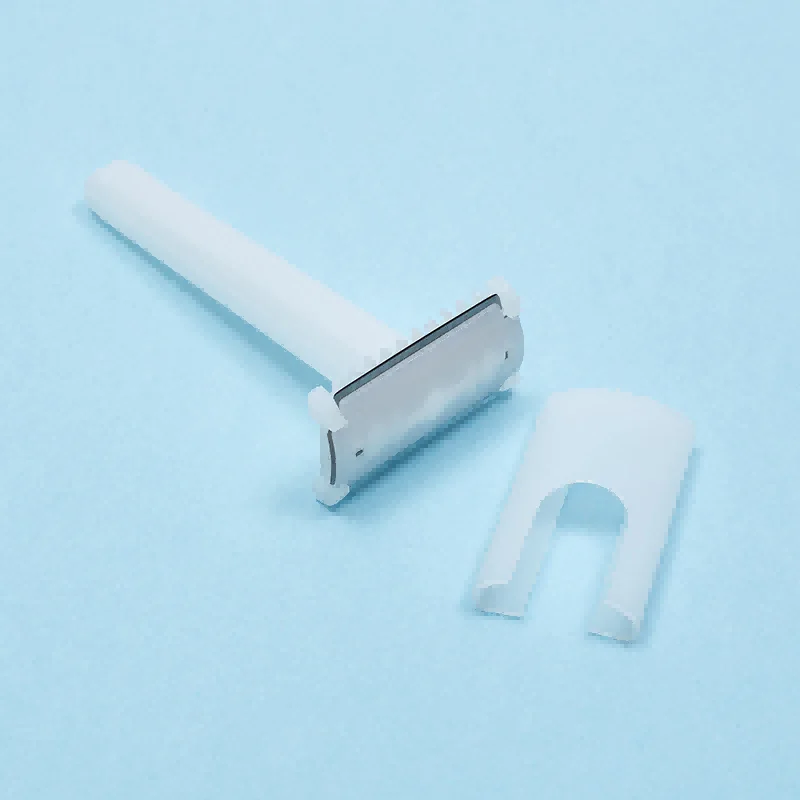 ICU / Supplies
Surgical Skin Preparation: Shaving and Antisepsis Step by Step
What the evidence says about shaving (clipper, not razor; just before, not the night before), which antiseptic to use (alcoholic chlorhexidine vs povidone) and how to apply it from the centre outward letting it dry, the other prep steps, and what to check when buying razors and drapes wholesale.
Read more →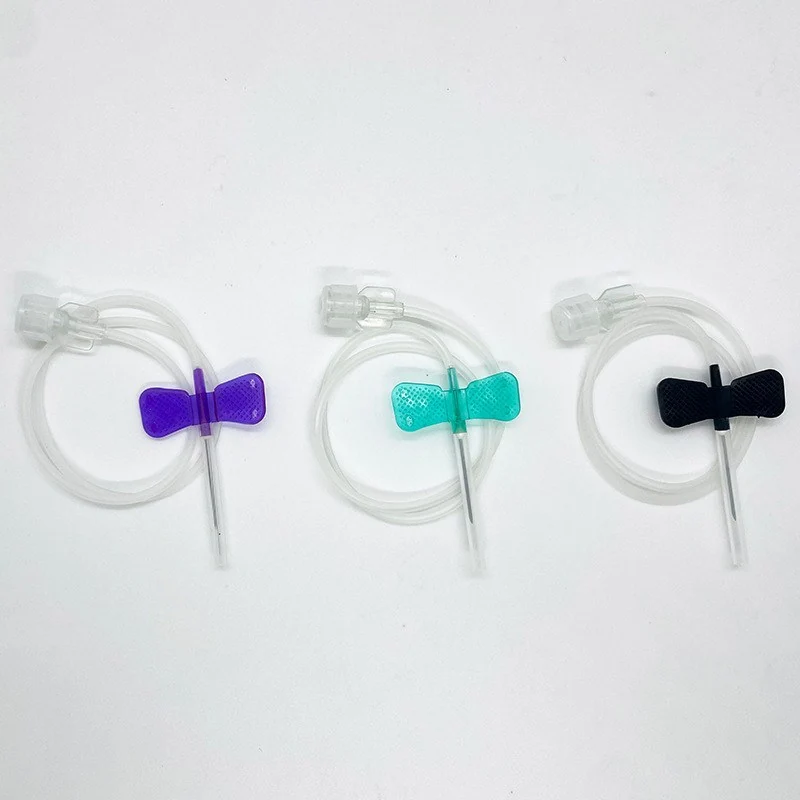 Laboratory / Reference
Order of Draw for Blood Tubes (Vacutainer): Tube Colours and CLSI Sequence
Quick reference for the correct CLSI order of draw: cap colour, additive, what each tube is for and how many inversions it needs (blood culture, blue/citrate, red, green/heparin, lavender/EDTA, grey). Why the order matters, clean technique with tourniquet and butterfly, and what phlebotomy supplies to check when buying wholesale.
Read more →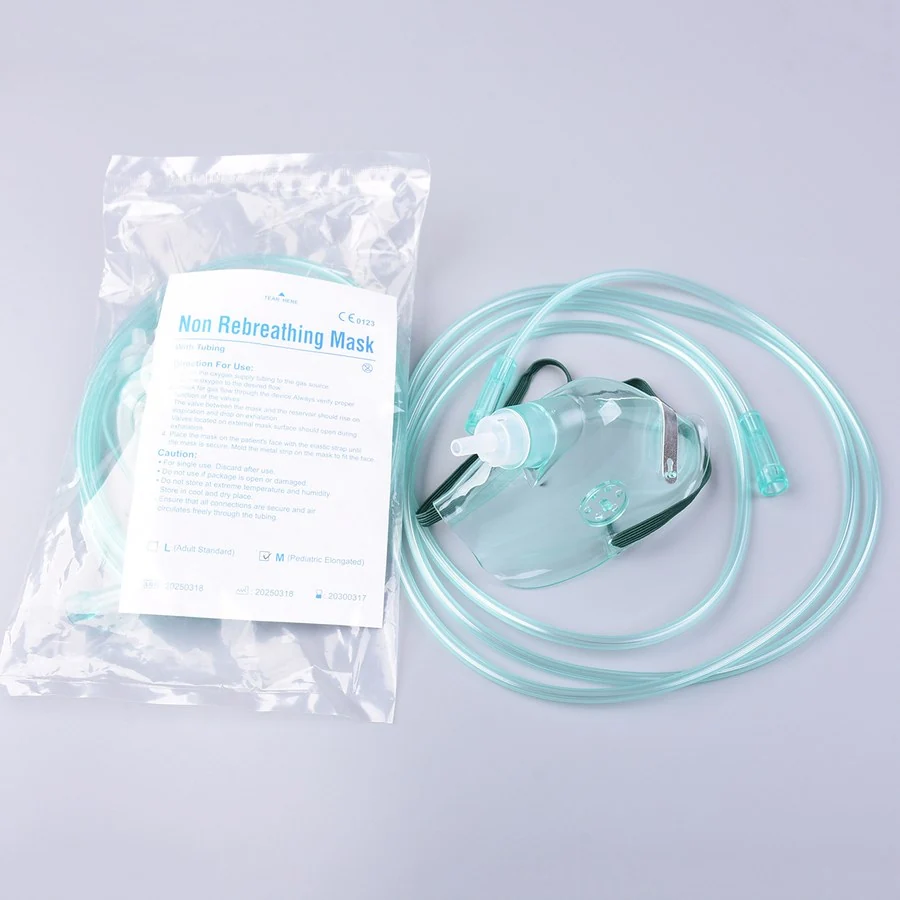 Respiratory / Reference
Oxygen Delivery Device FiO₂ Chart: Nasal Cannula, Simple Mask, Venturi and Reservoir
Reference chart linking each oxygen device (nasal cannula, simple mask, Venturi and non-rebreather/reservoir mask) to the flow in L/min and the approximate FiO₂ (24–95 %), plus when to use each, the target SpO₂, and what to check when buying oxygen devices wholesale for clinics and home care.
Read more →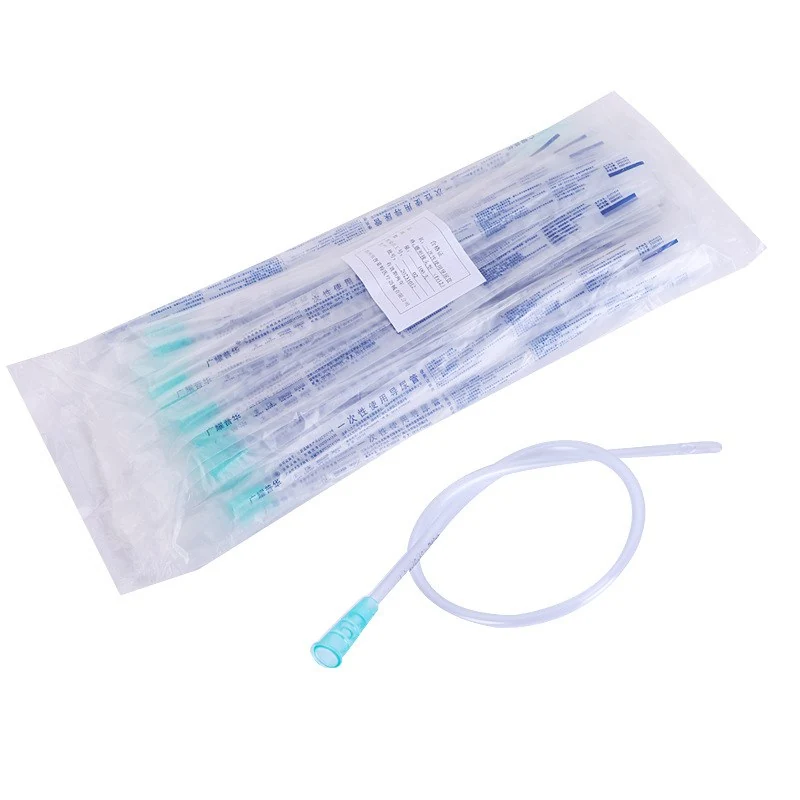 Catheters / Reference
French Catheter Size Chart (Fr to mm) and Colour Code
How French converts to millimetres (1 Fr = 0.33 mm; mm = Fr ÷ 3), the conversion chart with the Foley colour code, typical sizes by catheter type, and the key difference between the French scale (catheters) and the Gauge scale (needles), which run opposite. Reference for nursing, urology and procurement.
Read more →Infusion / ReferenceIV Needle and Catheter Gauge Chart: Colours, Flow Rates and Uses
The Gauge colour code (14 G orange to 24 G yellow), the approximate flow each size allows and which patient it is for, why the gauge determines flow (not the drip rate), and the difference from the French scale. Reference for IV therapy, the ER and buying needles, winged sets and accessories.
Read more →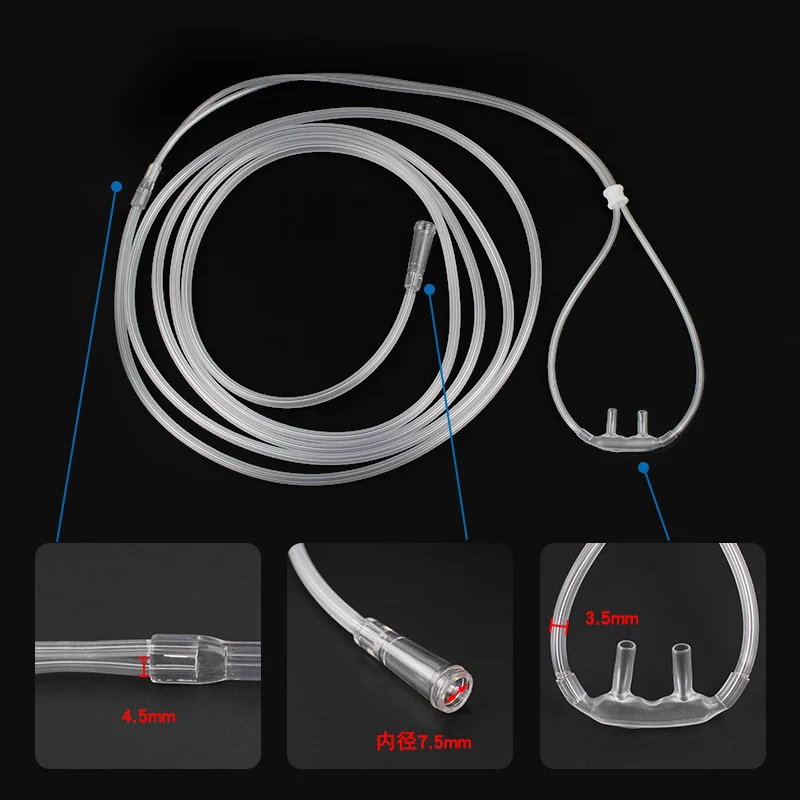 Respiratory / Supplies
Nasal Cannula Oxygen Therapy: Flow, FiO₂, Care and Home Cleaning
The flow-to-FiO₂ chart (1–6 L/min, 24–44 %), whether you need a humidifier, daily care and home cleaning, when to change the cannula, the warning signs to call a professional, and what to check when buying nasal cannulas wholesale for home care, clinics and distributors.
Read more →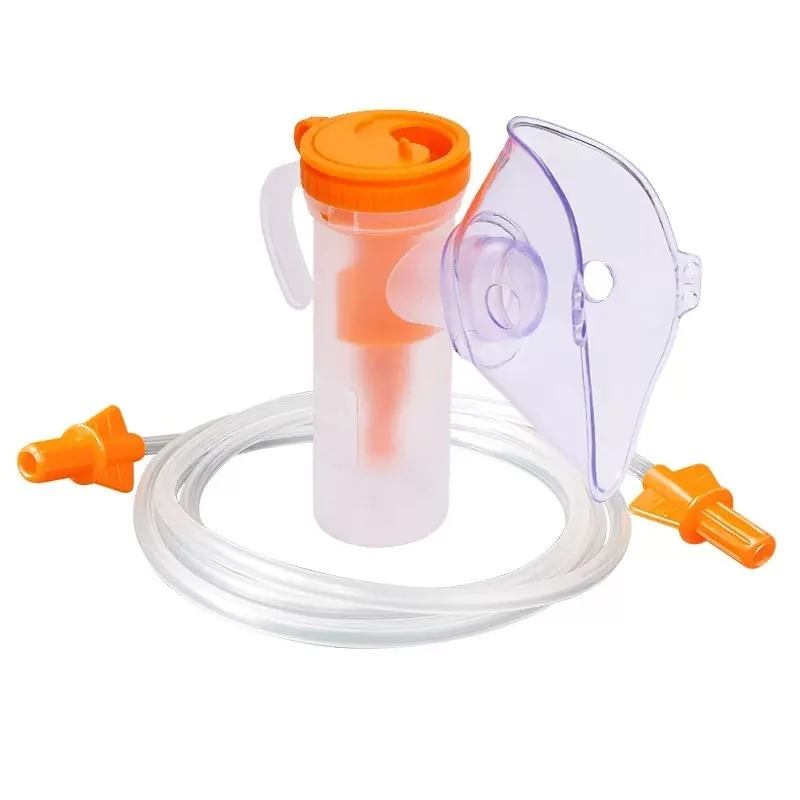 Respiratory / Supplies
How to Use a Nebulizer: Steps, How Often and Cleaning (Home Guide)
Parts of the system, the step-by-step technique, how long a session lasts, cleaning and disinfection, how often to change the mask, cup and tubing, mask vs mouthpiece, common mistakes, and what to check when buying nebulizer kits and compressors wholesale for clinics, pharmacies and home care.
Read more →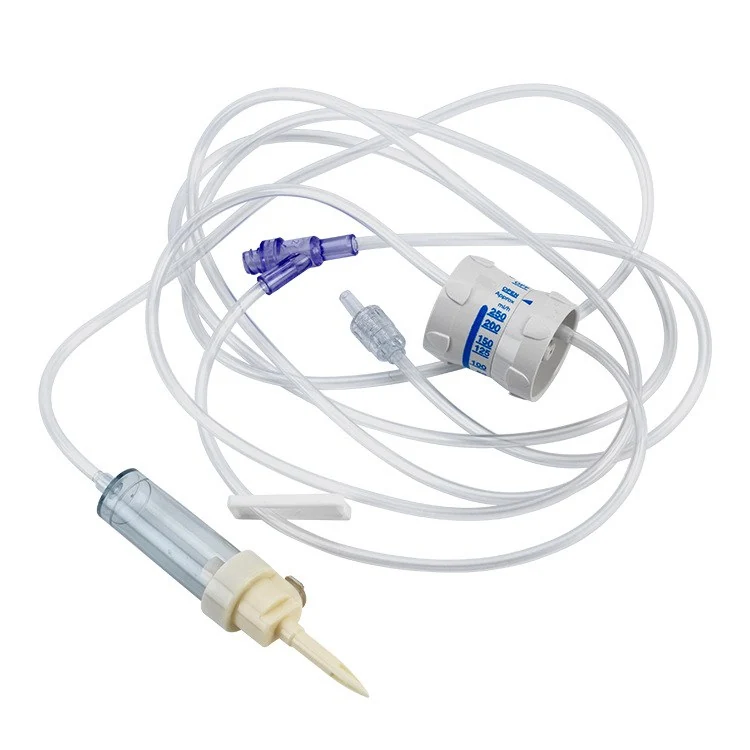 Infusion / Supplies
IV Infusion Set: How Often to Change It and How to Calculate the Drip Rate (drops/min)
Change frequency by solution type, the drop factor (macrodrip 20 vs microdrip 60 gtt/ml), the drops-per-minute formula with worked examples and quick shortcuts, setting and monitoring a gravity drip, and what to check when buying IV sets wholesale for clinics, hospitals and distributors.
Read more →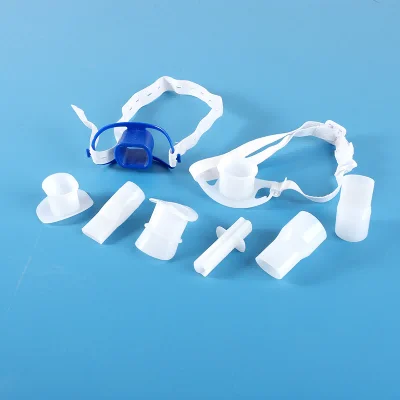 ICU / Emergency
Oropharyngeal (Guedel) Airway: How to Size It and Insert It Correctly
What it is for and when not to use it, how to measure the correct size (and the colour-coded size chart), the insertion technique in adults (180° rotation) and children, common mistakes, and what to check when buying Guedel airways wholesale for emergency, ICU and theatre.
Read more →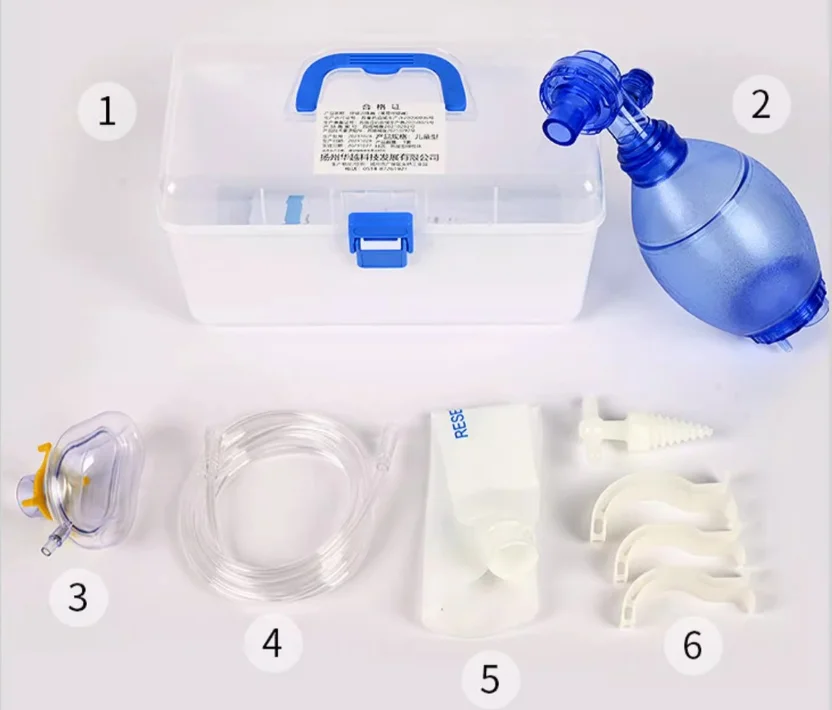 ICU / Emergency
How to Use a Manual Resuscitator (Ambu / BVM): Technique, Rate and Sizes
Parts and what each does, the C-E mask-seal technique step by step, ventilation rate and volume by age and in CPR, why the reservoir and oxygen matter for FiO₂, the most harmful mistakes, and what to check when buying resuscitators wholesale for crash carts, ambulances and distributors.
Read more →Urology / SuppliesFoley Catheter: How Often to Change It and Home Care (Nursing Guide)
Change frequency by material (latex 2–3 weeks vs silicone up to 12 weeks), why a fixed-date change is wrong, daily home care to prevent CAUTI, the warning signs that force an early change, and what to check when buying catheters and bags wholesale for clinics, care homes and home care.
Read more →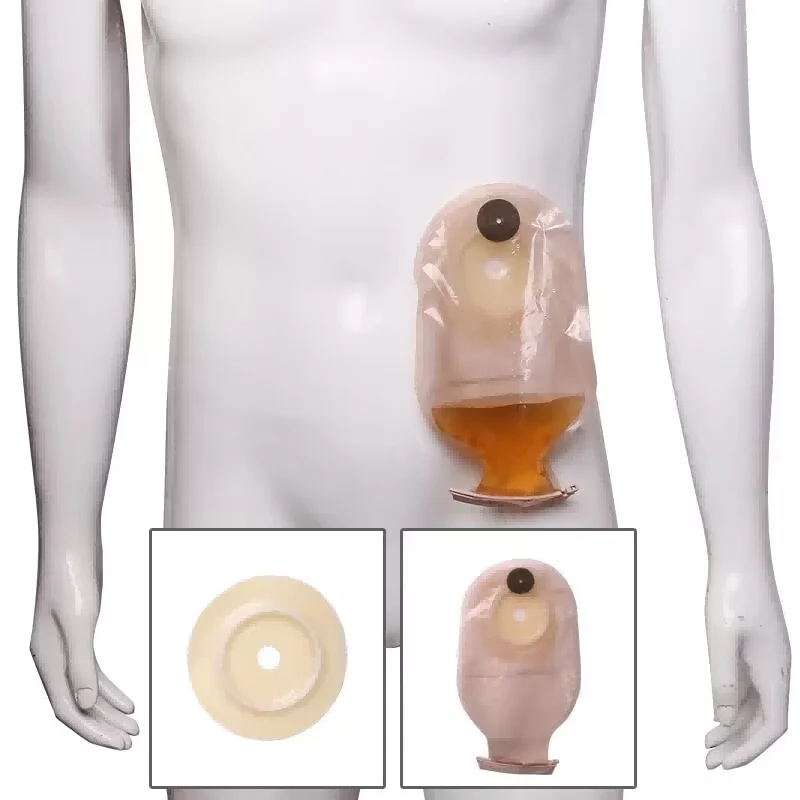 Ostomy Care / Supplies
How to Change an Ostomy Bag Step by Step: Colostomy and Ileostomy
How often to empty and change by stoma type (colostomy, ileostomy, urostomy), the materials you need, the step-by-step procedure, peristomal skin care and common leak problems, one-piece vs two-piece, and what to check when buying ostomy bags wholesale for clinics, care homes and home care.
Read more →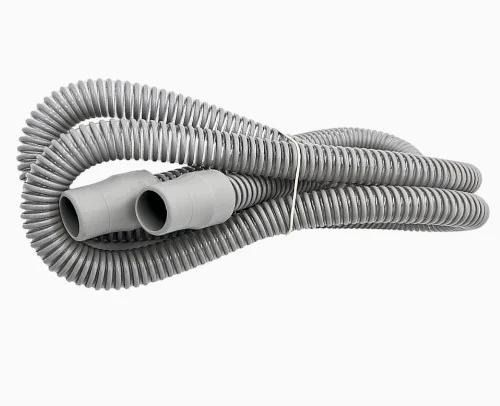 Respiratory / ICU
How Often to Change the Ventilator Circuit: Protocol and VAP Prevention
Why routine fixed-schedule changes increase VAP risk, the current criterion (change only when soiled or malfunctioning), when the circuit and components do need changing, the HME/HMEF filter and humidification, the VAP-prevention bundle, and what to check when buying circuits and filters wholesale.
Read more →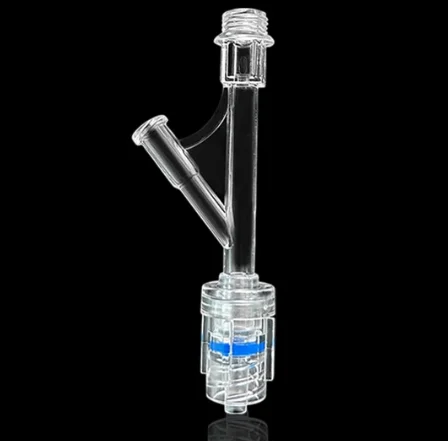 Infusion / Supplies
Needle-Free Connector: How Often to Change It and How to Disinfect It (SAS / SASH)
Change frequency (with the IV set, sooner on contamination), the scrub-the-hub friction technique with timing, the SAS and SASH flushing protocols, pulsatile flush and positive pressure, and what to check when buying needle-free connectors wholesale for an infusion clinic, ICU or distributor.
Read more →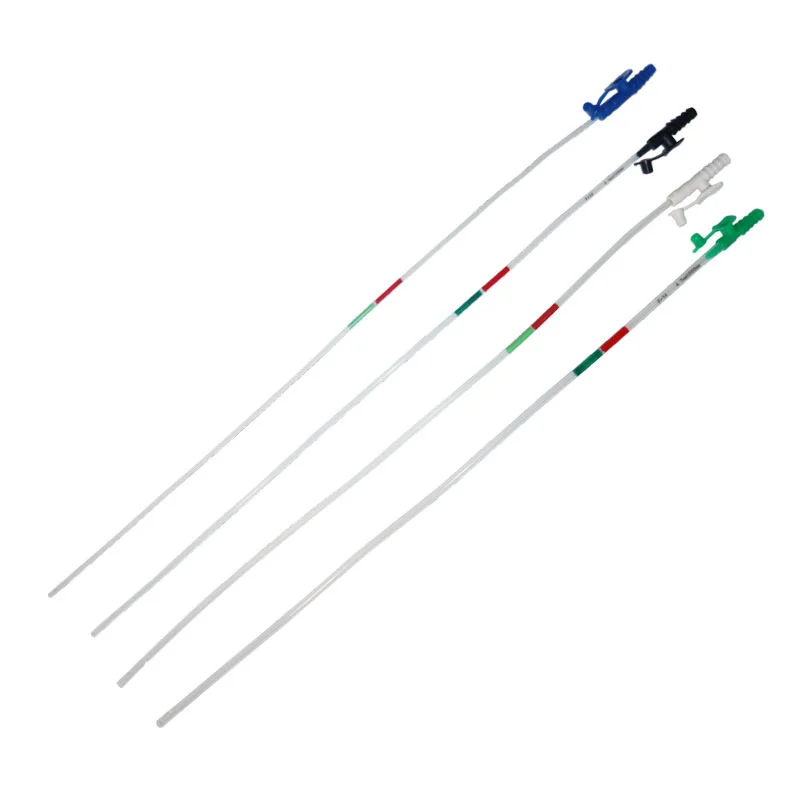 Respiratory / ICU
Suctioning Technique: Correct Pressure (mmHg) and Steps
Recommended vacuum pressure by age (adult 80–120, paediatric 60–100, neonate 60–80 mmHg), the half-tube-diameter catheter-size rule, the step-by-step technique (pre-oxygenate, suction only on withdrawal, ≤15 s), the six common mistakes, and what to check when buying suction catheters and aspirators.
Read more →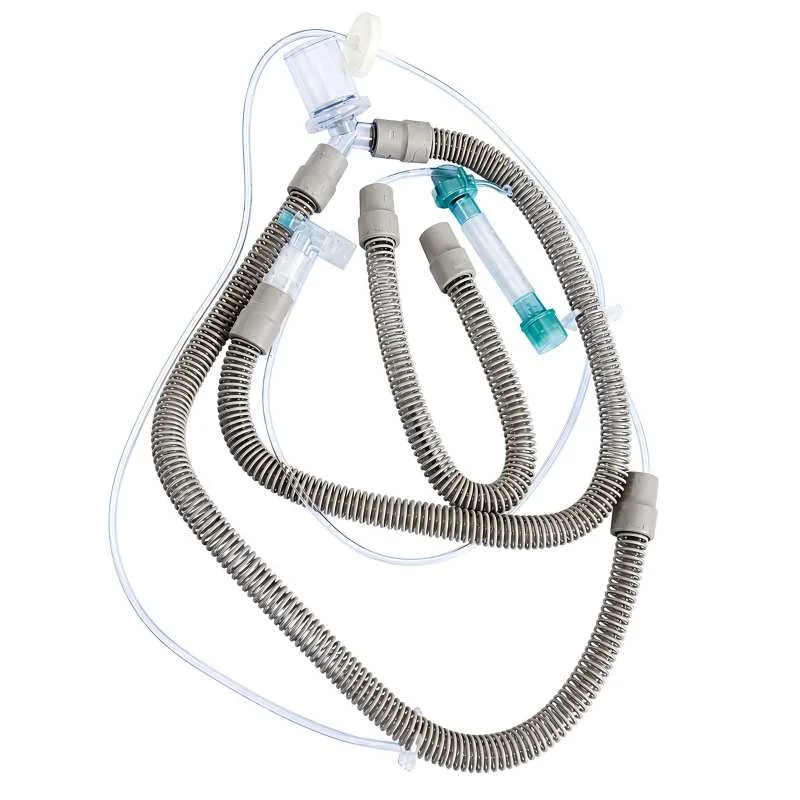 Respiratory
Breathing Circuits for Ventilation and Anaesthesia: 2026 Selection Guide
Breathing circuits are the interface between the ventilator/anaesthesia machine and the patient's airway. Circuit anatomy, corrugated vs accordion vs ventilator-specific types, the multifunction filter extension, the BVM resuscitator, anaesthesia filter kit, and why ISO 5356-1 connector compatibility matters before buying wholesale.
Read more →RespiratoryMedical Suction: Catheters, Kits and Electric Aspirators — Complete Clinical Guide
Secretion suction spans oropharyngeal, tracheal, neonatal and surgical needs. The full suction circuit and 30-second check, tracheal catheter features, all-in-one kits, the neonatal rubber bulb, portable vs high-power electric aspirators, maintenance and technique — plus what to verify (CE Class IIa) before buying.
Read more →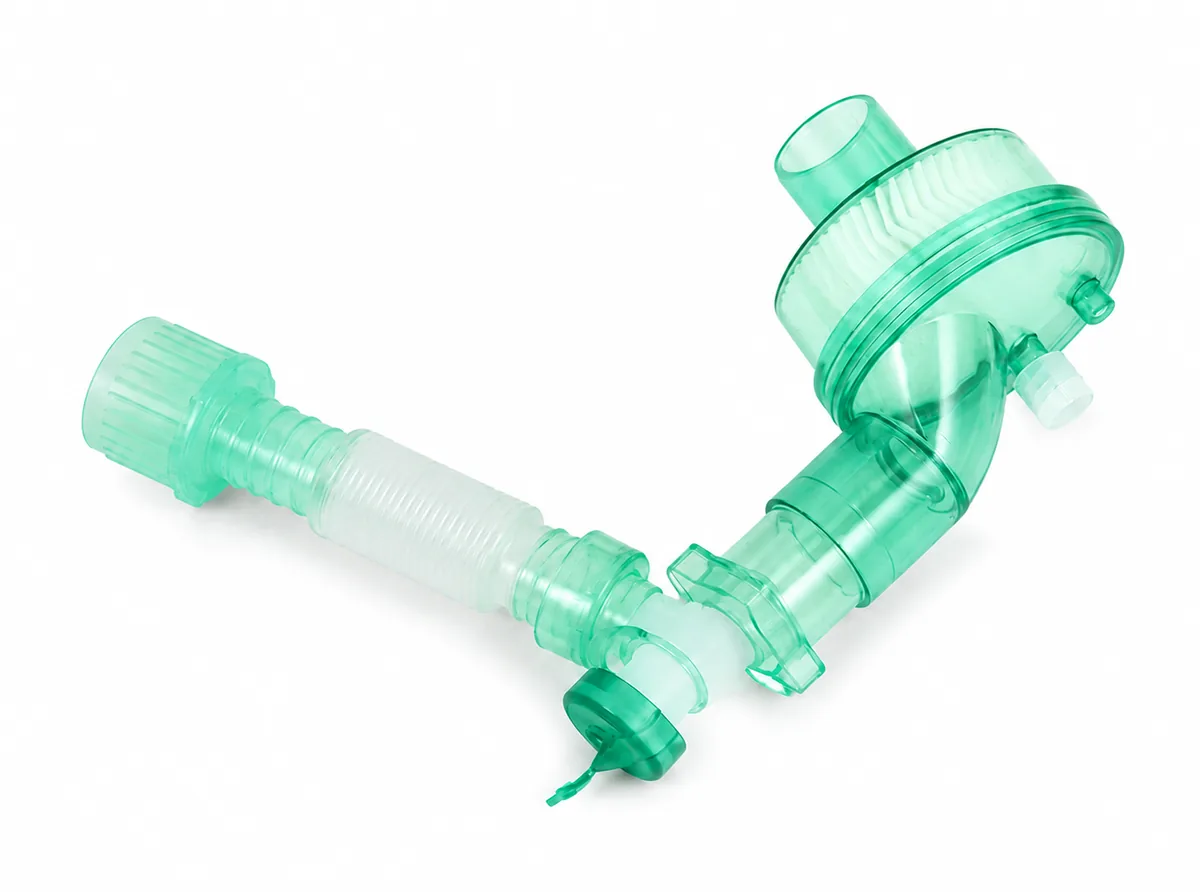 Anaesthesia
HMEF Filter with Catheter Mount: Clinical Guide for Anaesthesia and ICU
One accessory replaces three pieces: it joins the airway to the circuit, humidifies inspired air and blocks bacteria/viruses. HME vs HMEF, why the integrated catheter mount reduces accidental extubation, the specs that matter (dead space, resistance, BFE/VFE, DEHP-free) and what to verify before buying for tenders.
Read more →ICUHow to Equip an ICU: Complete Disposable Supplies Checklist
Equipping an ICU means knowing the 80-plus disposables consumed daily. The critical ones organised by system and priority: respiratory (circuits, suction catheters, HME filters), invasive-procedure drapes and kits, and drainage/collection — so a procurement team or distributor can build the inventory without gaps.
Read more → IV Infusion
IV Supplies for Infusion Clinics: Complete Guide
Each IV session consumes 5–12 disposables; optimising inventory can save 15–25% in operating cost. The disposable tourniquet (the biggest cross-infection upgrade), latex vs film gloves, the bottle sealing patch and the closed access line — and what to look for when buying wholesale for infusion clinics.
Read more →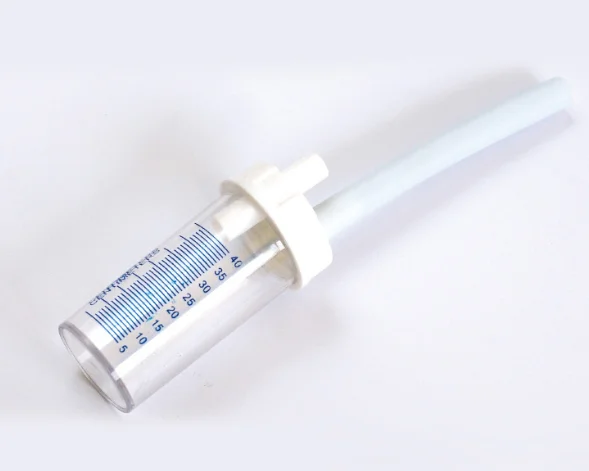 Laboratory
Disposable Mucus Trap (40 mL Sputum Specimen Trap): What It Is, How It Works and How to Choose
The mucus trap is a respiratory specimen collector placed in line with the suction circuit to retain sputum in a sterile graduated bottle for the lab — not a suction device. How it works, when it's needed (VAP, TB, viral diagnosis), the full connection circuit and protocol, 5 common mistakes, and what to check (40 mL, anti-contamination adapter, CE/ISO) before buying wholesale.
Read more →RespiratoryNasal Oxygen Cannula: Types, Sizes and How to Choose the Right One
Low-flow oxygen therapy is the most frequent intervention in medicine. How the cannula delivers FiO₂ by flow rate, the standard dual-prong vs three-way (humidifier), headset/harness and medical-silicone versions, critical paediatric vs adult differences, common mistakes, and what quality to require (ISO 5367) before buying wholesale.
Read more →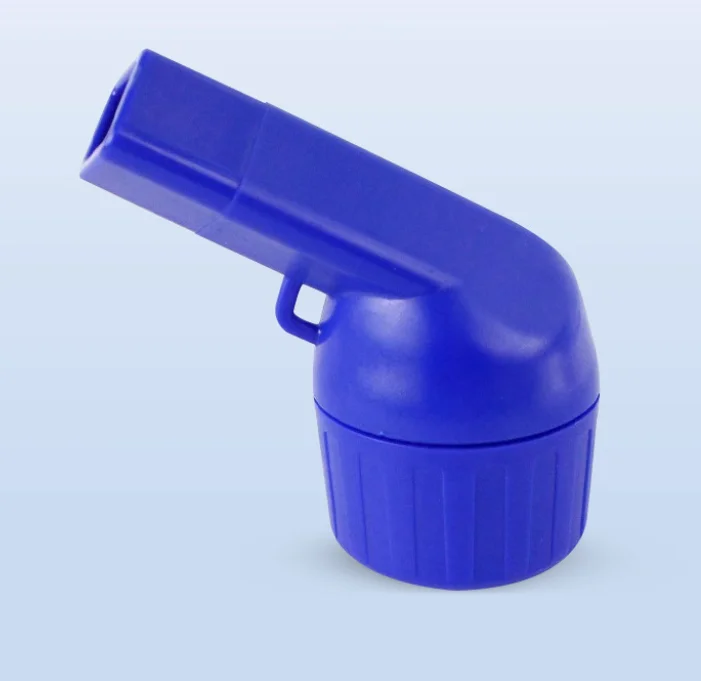 Respiratory
Flutter PEP Device: Airway Clearance Physiotherapy Guide for Mucus Removal
A pocket-sized, no-electricity device that combines positive expiratory pressure and oscillation to mobilise and expectorate secretions in COPD, bronchiectasis, asthma and cystic fibrosis. How it works, how it differs from postural drainage and the oscillating vest, home and clinic use, and what to check before buying wholesale for home care and rehabilitation.
Read more →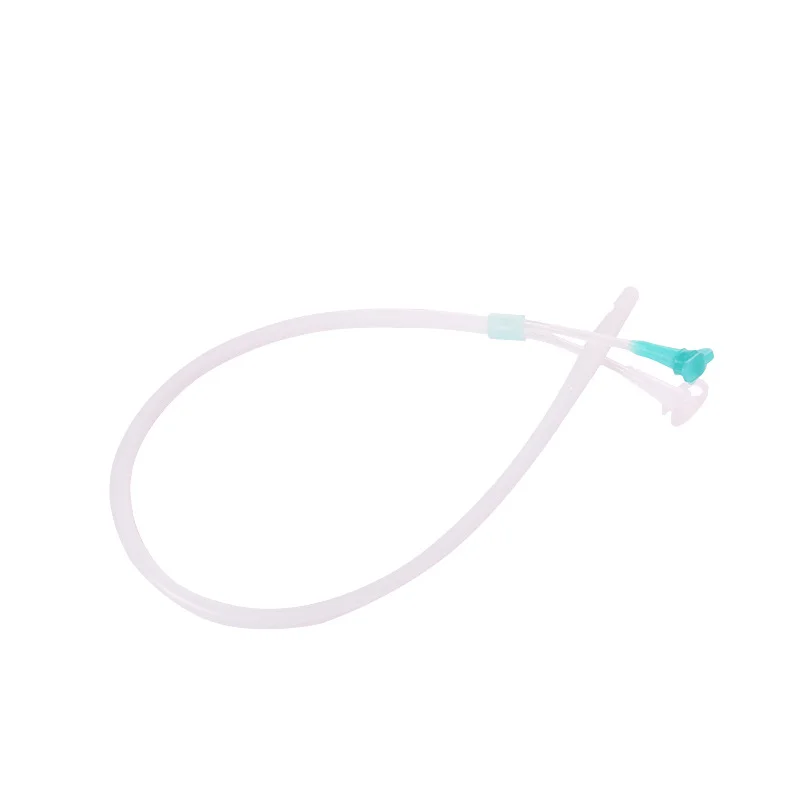 Radiology / Gynaecology
Uterine Contrast Catheter for Hysterosalpingography (HSG): What It Is and How to Choose
The HSG catheter instils contrast into the uterine cavity to study fallopian tube patency in the infertility work-up. What hysterosalpingography is, the difference between balloon and non-balloon cannula, what gauge to use (12 French), and what to check before buying for radiology, gynaecology and IVF clinics.
Read more →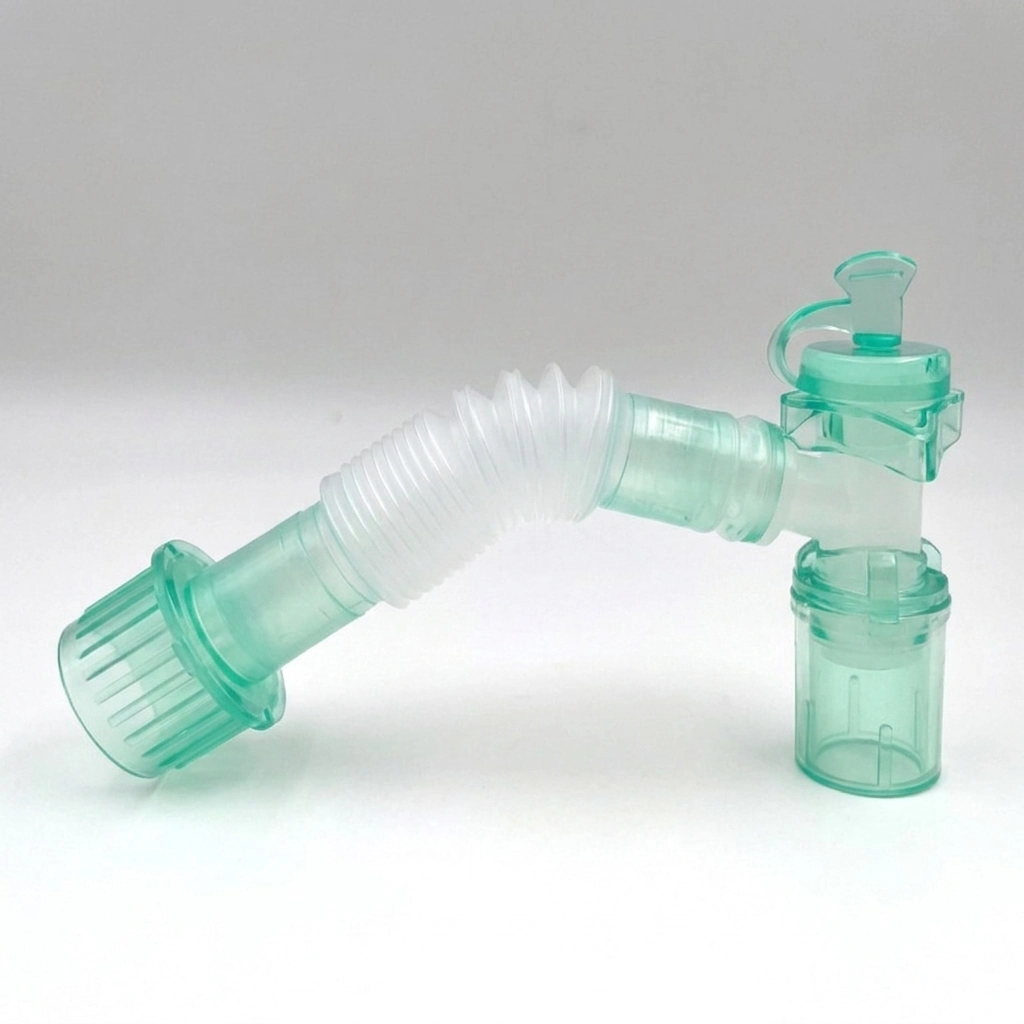 Anaesthesia
Disposable Catheter Mount: What It Is, What It's For and How to Choose
The catheter mount is the flexible connector between the patient's airway and the ventilator or anaesthesia circuit. Why the elbow type matters (fixed vs single vs double swivel), corrugated/extensible/smoothbore tubes, gas-sampling and suction ports, and what to check before buying for anaesthesia, ICU and distribution.
Read more → Acupuncture / Physio
Disposable Acupuncture Needles: How to Choose Diameter, Length and Handle
Classical acupuncture and dry needling in physiotherapy are growing fast across the US, UK, Australia and Europe. How the handle types differ (flat/spring vs coil), how to choose gauge (0.16–0.35 mm) and length (13–75 mm) by body region, what ISO 17218 requires, and what to check before buying wholesale for TCM clinics, physiotherapists and distributors.
Read more →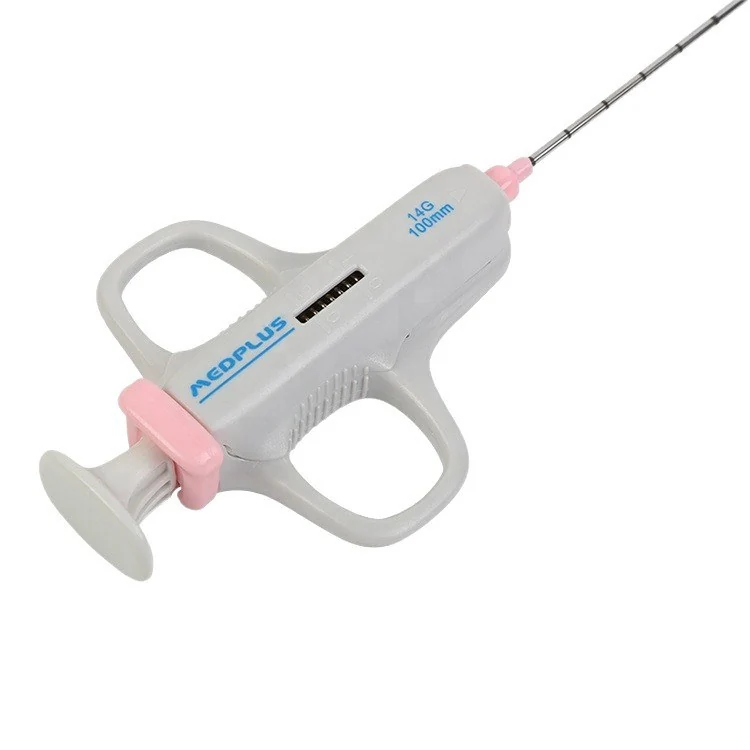 Procedures / Oncology
Bone Marrow Biopsy Needle: Types, Gauges and How to Choose
A high-value, low-competition consumable in haematology and oncology. The difference between aspiration and core (trephine) biopsy, how to choose the gauge (11G–16G) and length (10/15 cm), manual vs automatic gun-type firing system, and what to check before buying wholesale for services and distributors.
Read more →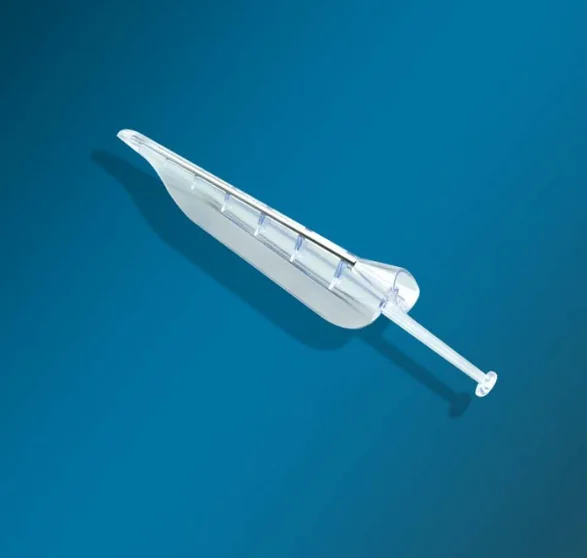 Interventional Ultrasound
Ultrasound Needle Guide: What It Is, How It Improves Puncture and How to Choose
Ultrasound-guided puncture is now the standard for vascular access, regional anaesthesia and biopsies. What a needle guide is, how it differs from freehand, how to choose it by probe (linear vs convex), and what other supplies make up a complete interventional ultrasound system.
Read more →IV InfusionNeedle-Free Connector and Y-Site: Guide to the IV and Contrast (CT/MRI) System
The needle-free connector, Y injection site and three-way stopcock form the access system of almost all IV therapy. What each does, how they differ, how they reduce catheter infections (CLABSI), and why contrast injection in CT and MRI needs a specific high-pressure version.
Read more →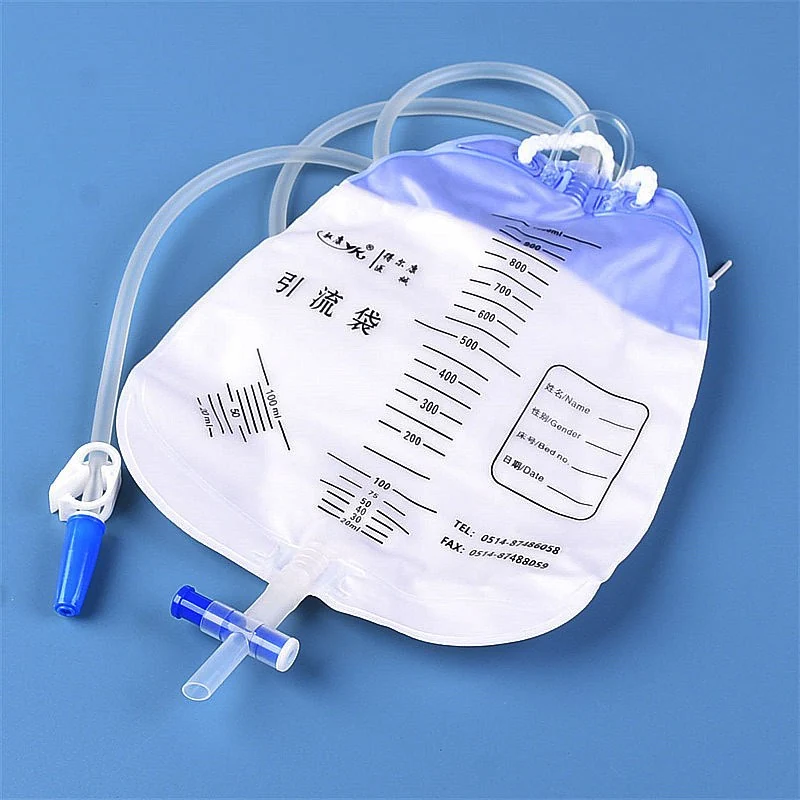 Urology / Supplies
Urinary Drainage Bag: Bed Bag vs Leg Bag and How to Choose
The urinary drainage bag is the companion of the Foley catheter and forms the closed system that lowers catheter-associated UTI (CAUTI). The difference between the 2000 ml bed bag (bed-bound patient) and the 750/1000 ml leg bag (ambulatory patient), how they combine in the day/night system, the role of the anti-reflux valve, and what to check before buying wholesale for hospitals, home care and distributors.
Read more →Respiratory / SuppliesSuction Catheter Sizes & Types: French Chart, Yankauer and How to Choose
Choosing the wrong suction catheter size is one of the most common nursing errors — too small won't clear thick secretions, too large causes hypoxia and trauma. The French sizing scale with chart and colour code, the half rule for matching the endotracheal tube, sizes by patient age, tip types (flexible, Yankauer, closed-system), and what to check before buying wholesale for ICU, ER and distributors.
Read more →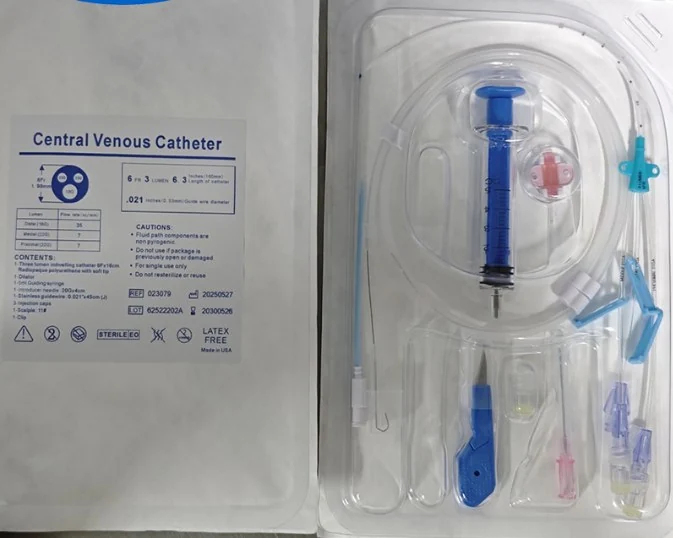 Catheters / Supplies
Central Venous Catheter (CVC): Types, Number of Lumens & How to Choose the Kit
The CVC is the vascular access for critically ill patients, but "CVC" is not a single product: it changes with the number of lumens (single, double, triple), the insertion route and dwell time (non-tunneled, tunneled, PICC, port). How to choose the lumens, the tunneled vs non-tunneled difference, what the Seldinger kit contains and what to check before buying wholesale for ICU, oncology and distributors.
Read more →Catheters / SuppliesTypes of Catheters: A Guide to Choosing and Buying the Right One
"Catheter" covers very different families: urinary (Foley, Nelaton, Coudé), respiratory (suction catheters), vascular (peripheral IV, CVC, PICC) and drainage. A selection and buying map by body system, with the key difference between the French and Gauge scales, plus links to the size-specific guides. For nursing, hospital procurement, pharmacies and distributors.
Read more →Urology / SuppliesFoley Catheter Sizes, Tip Types & How to Choose the Right One (French Gauge Chart)
The Foley catheter is one of the most-used supplies in any hospital and ER, but when you order the question isn't "what is it" — it's "which one do I order". How to read the French gauge (Fr→mm chart and colour code), straight (Nelaton) vs Coudé/Tiemann tip, 2-way vs 3-way, balloon and material (PVC vs silicone), plus what to check before buying wholesale for nursing, urology, procurement and distributors.
Read more →