Collection & Lab
11 products available — Swabs, stool and urine collectors, lab tubes and specimen containers.
Buying guide — Collection & Lab
Specimen collection is the first step in the diagnostic chain: if the supply fails, the lab result can be invalid. A tube with the wrong vacuum, a swab with contaminating material or an expired transport medium can invalidate the sample and delay the patient's diagnosis. CLSI standards and CE certification are the minimum for vacuum tubes, swabs and transport media. We supply clinical labs and diagnostic centres across the region with permanent stock and wholesale shipping.
What to verify before buying
- Calibrated tube vacuum — essential to draw the correct sample volume
- Correct additive per test — EDTA, citrate, heparin or plain tube per protocol
- Certified transport media — with valid temperature and time-to-preservation traceability
- Standardised colour code (CLSI) — quickly identify the right tube and avoid mix-ups
The specimen collection chain, supply by supply
Specimen collection is the first step in the diagnostic chain: if the supply fails, the lab result can be invalid. The catalogue covers each sample type:
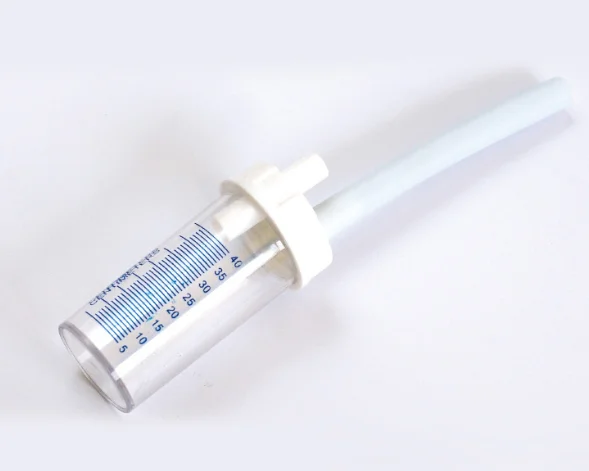
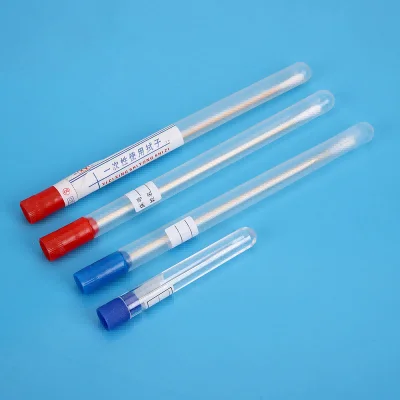
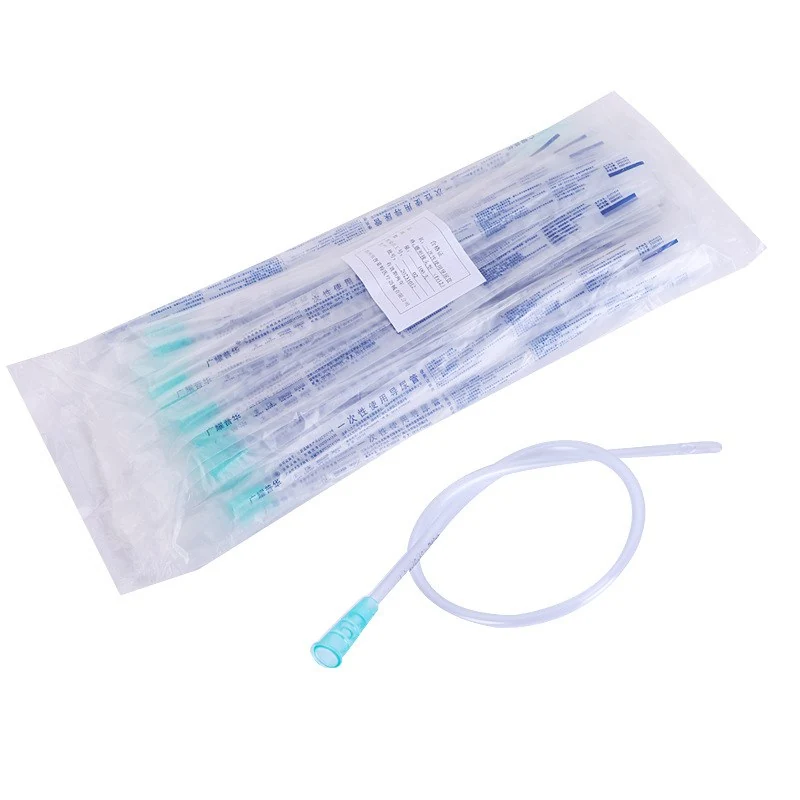
- Microbiology and respiratory samples: the disposable specimen swab and the 40 ml disposable mucus trap for respiratory secretions.
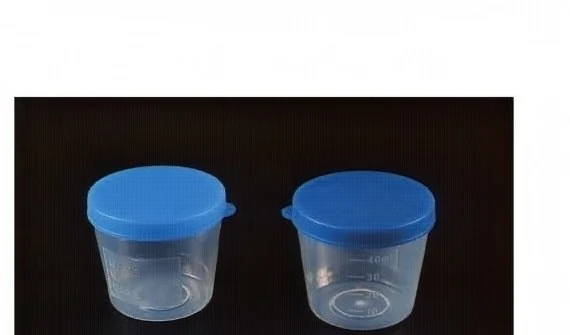
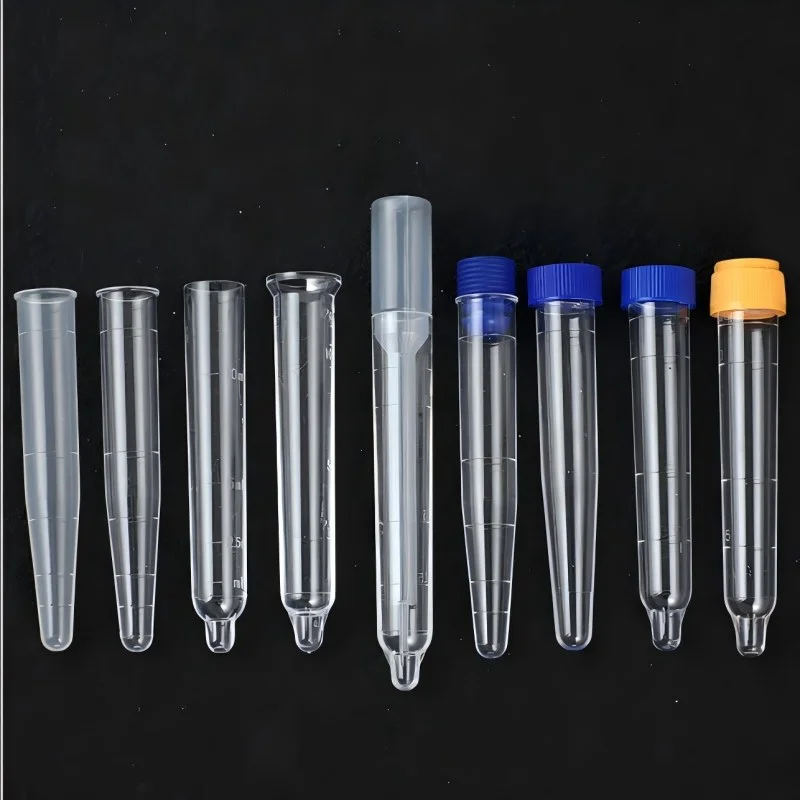
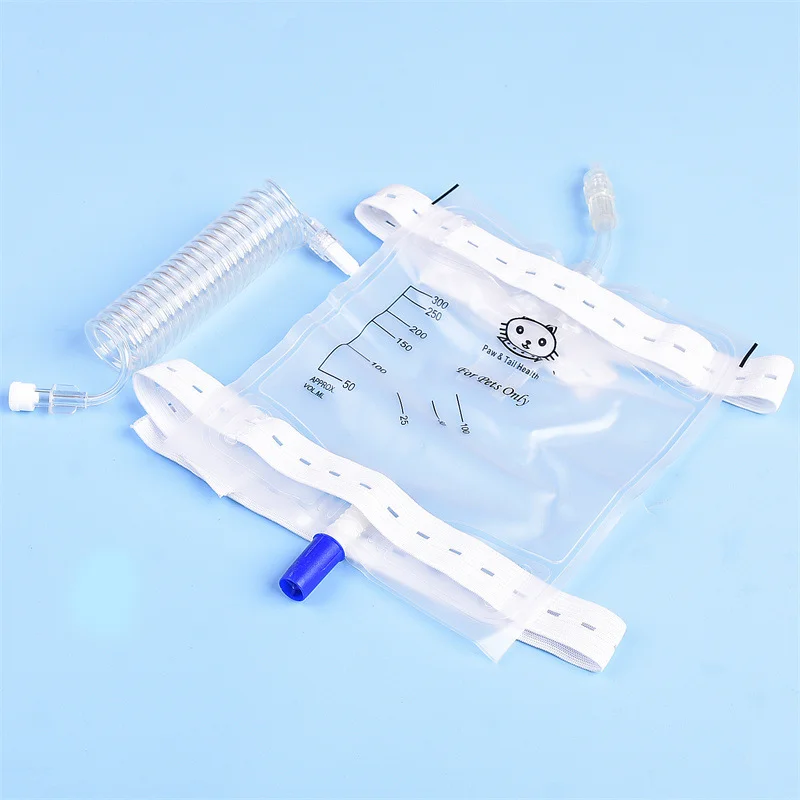
- Urine: the urine collection container, the urine collection tubes and the neonatal/paediatric collection bag.
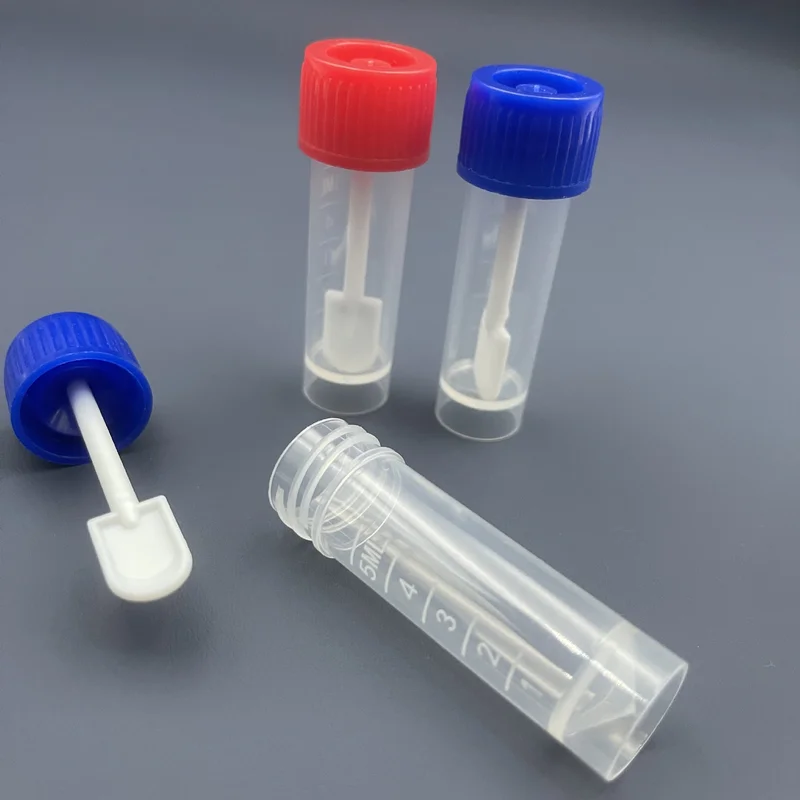
- Stool: the disposable stool collector.
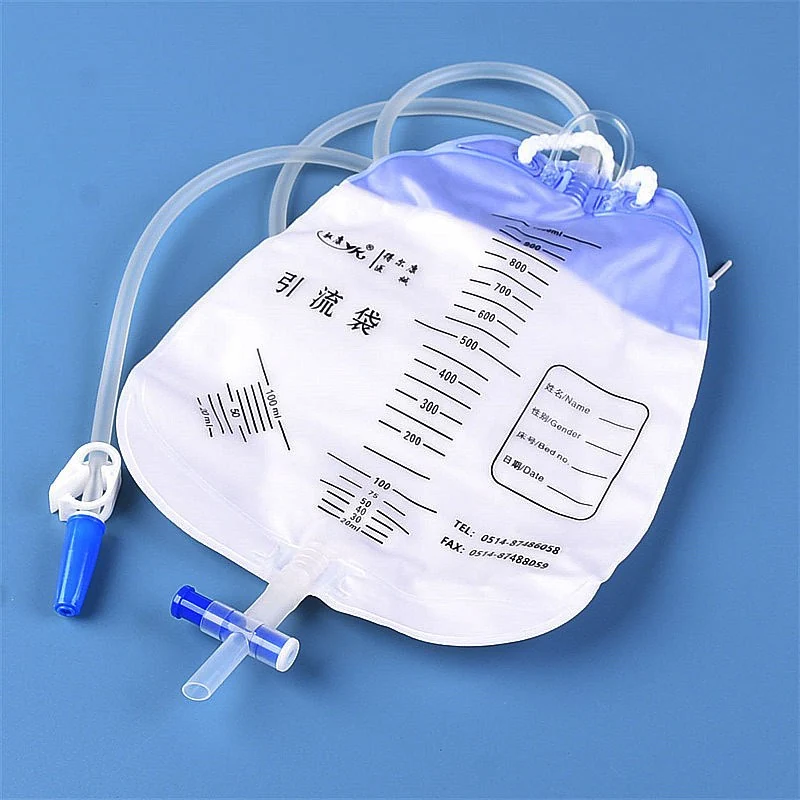
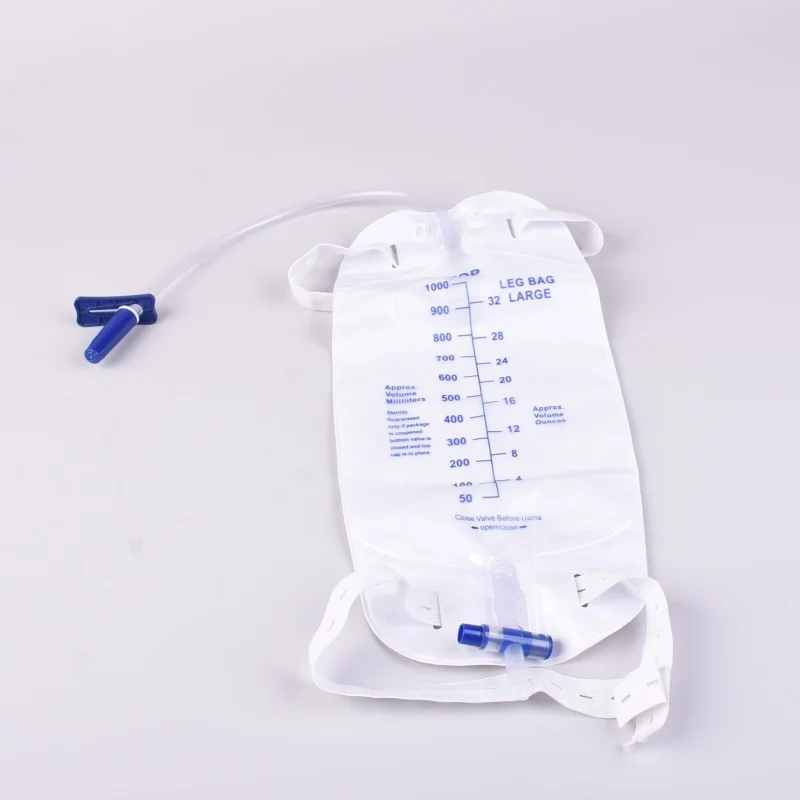
- Urinary drainage (complete system): the PVC Foley catheter F6–F24, the 2000 ml drainage bag and the 750/1000 ml leg bag.
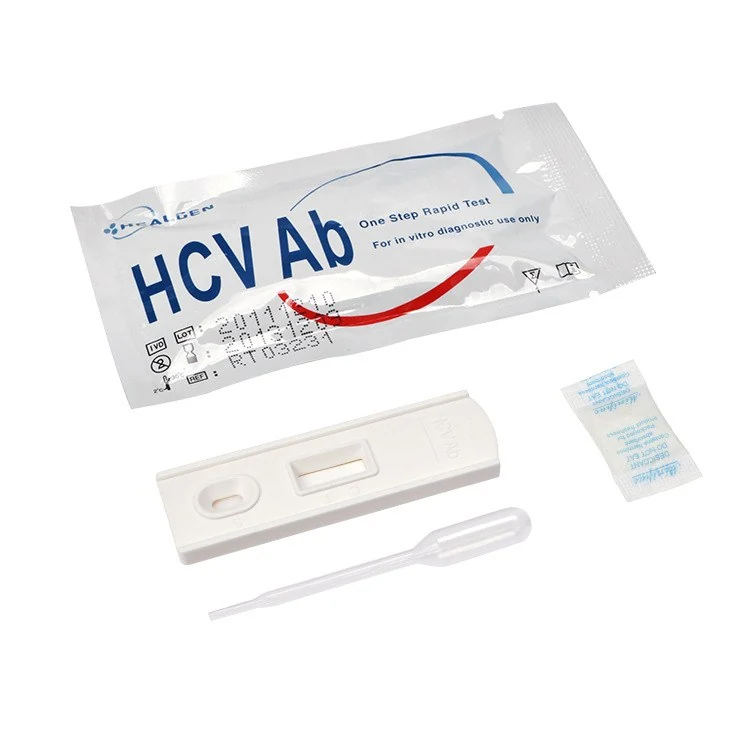
- Rapid tests: the Hepatitis C (HCV) rapid test.
A tube with the wrong vacuum or a contaminating swab can invalidate the sample and delay the patient's diagnosis.
Order of draw and colour code (CLSI standard)
When several tubes are drawn, the order of draw stops one tube's additive from contaminating the next. The CLSI sequence, summarised:
| Order | Colour | For |
|---|---|---|
| 1 | Blood culture | Culture (sterile, first) |
| 2 | Light blue | Coagulation (citrate) |
| 3 | Red / Gold | Chemistry / serum |
| 4 | Green | Heparin |
| 5 | Lavender | Haematology (EDTA) |
| 6 | Grey | Glucose (fluoride) |
The standardised colour code lets you identify the right tube at a glance. The full sequence, with inversions and clean technique, is in order of draw for blood tubes (Vacutainer): colours and CLSI sequence.
Urine collection and drainage: from container to bag
For a one-off urine sample, use the collection container or the collection tubes; in neonates and infants, the adhesive collection bag.
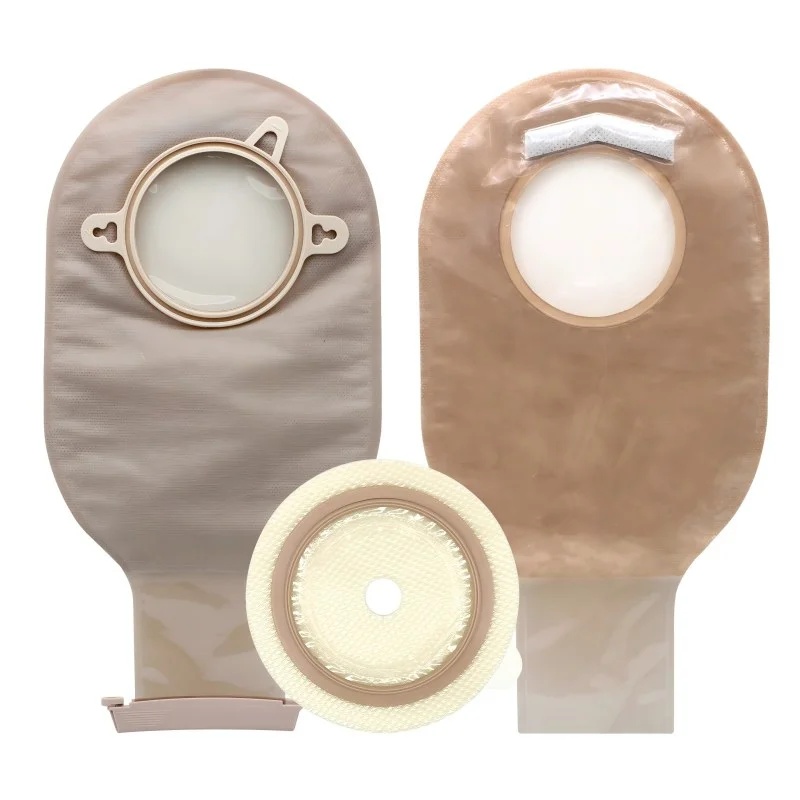
For the catheterised patient, drainage forms a closed system: the Foley catheter connects to the 2000 ml bed bag (night) or the leg bag (day, ambulatory). Keeping the system closed and the bag below the bladder reduces catheter-associated urinary infection. Guides: how often to change the Foley catheter and care and French size chart (Fr to mm).
Respiratory samples and rapid tests
To collect respiratory secretions from the intubated or suctioned patient, the 40 ml disposable mucus trap is inserted into the suction circuit, obtaining a lab sample without contaminating it — see sputum trap: what it is and when to use it.
The Hepatitis C rapid test is a lateral-flow immunoassay with a result in 15 minutes, ideal for screening in first-level labs and campaigns, with no special equipment required.
What to check when buying collection supplies wholesale
For clinical labs, diagnostic centres and distributors:
- Calibrated vacuum in tubes — essential to draw the correct sample volume.
- Correct additive per test (EDTA, citrate, heparin or plain tube) and the CLSI colour code.
- Sterility and traceability in swabs and containers, with a valid preservation time.
- A compatible drainage system (catheter + bed bag + leg bag from the same supplier) for a closed system with no adaptors.
- CE / ISO 13485 certification and national registration per destination country.
We supply labs and diagnostic centres across the region with permanent stock, samples and an OEM option. Quote on WhatsApp in under 24 h.
Related articles
Order of Draw for Blood Tubes (Vacutainer): Tube Colours and CLSI Sequence
Read article →Foley Catheter: How Often to Change It and Home Care
Read article →Disposable Mucus Trap (40 ml): What It Is and When to Use It
Read article →Urinary Drainage Bag: Bed Bag vs Leg Bag and How to Choose
Read article →Frequently asked questions — Collection & Lab
Do you offer samples, OEM and documentation for lab registration?
Yes: samples for evaluation, an OEM/private-label option and CE / ISO 13485 documentation. Stock references ship quickly and customised orders take longer; we support medical-device registration per destination country.
What is the correct order of draw for blood tubes?
Per CLSI: 1) blood culture, 2) light-blue tube (citrate, coagulation), 3) red or gold tube (chemistry/serum), 4) green tube (heparin), 5) lavender tube (EDTA, haematology) and 6) grey tube (fluoride, glucose). The blood culture goes first because it must stay sterile, and EDTA goes near the end because of cross-contamination risk.
Which urinary drainage bag should I use, bed or leg?
The 2000 ml bed bag is for the bed-bound or hospitalised patient and for the night; the leg bag (750/1000 ml) straps to the thigh for the ambulatory patient during the day. The usual approach is to alternate both, keeping the system closed and the bag below bladder level.
What is the disposable mucus trap for?
It is inserted into the suction circuit to collect a respiratory secretion sample from the intubated or suctioned patient, sterile and without contaminating the sample, which is then sent to the lab for culture or study.
Does the Hepatitis C rapid test need special equipment?
No. It is a lateral-flow chromatographic immunoassay that gives a result in about 15 minutes with no special equipment, with high sensitivity and specificity. It is ideal for screening in first-level labs, clinics and field campaigns.
Do the tubes come with the CLSI colour code?
Yes. The tubes follow the standardised CLSI colour code by additive (citrate blue, heparin green, EDTA lavender, fluoride grey, etc.), with a calibrated vacuum for the correct sample volume and lot traceability.