Respiratory Supplies
33 products available — Breathing circuits, suction catheters, oxygen cannulas, HME/HMEF filters, nebulizers and more.
Buying guide — Respiratory Supplies
Disposable respiratory supplies are the backbone of ventilatory support in any ICU, operating theatre or pulmonary clinic. Replacing them on protocol is the first line of defence against ventilator-associated pneumonia (VAP) and cross-infection. Choosing the right material (latex-free medical PVC, EO-sterilised) and the correct size for each patient is the difference between a safe procedure and a risky one. As a wholesale manufacturer shipping direct from origin, Edaochi keeps adult and paediatric sizes in permanent stock.
What to verify before buying
- CE and ISO 13485 certified — biocompatibility and lot traceability
- Latex-free — essential for patients with documented allergy
- EO sterilisation — standard for circuits and airway-contact catheters
- 22/15 mm ISO connectors — universal compatibility with most ventilators
- Paediatric and adult sizes — never use an adult size on a paediatric patient
The respiratory product families and what each is for
The respiratory catalogue covers the whole airway, from low-flow oxygen therapy to ICU ventilatory support. Knowing the families helps you buy without gaps:
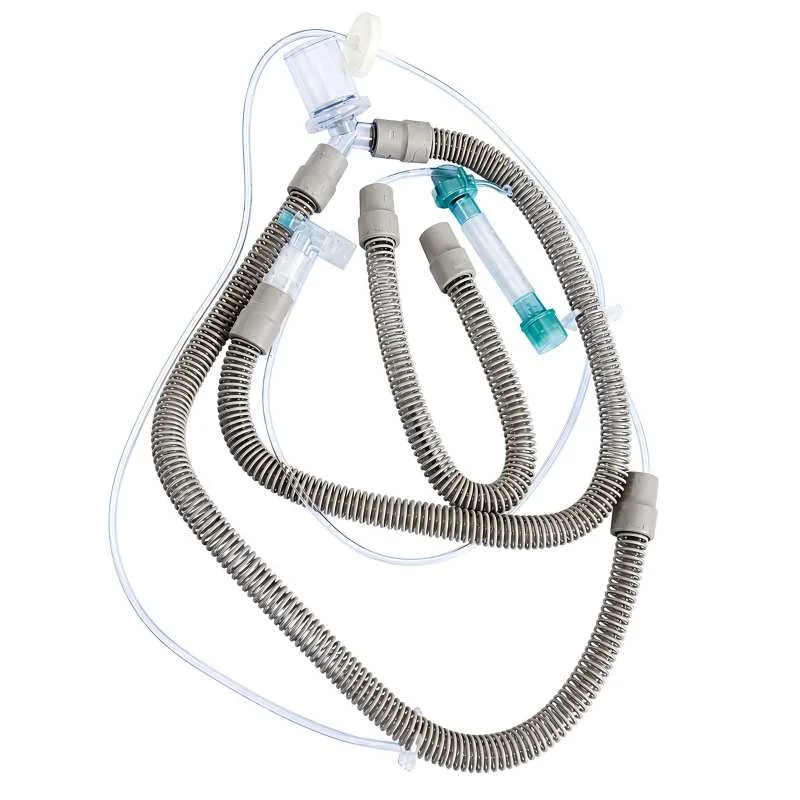
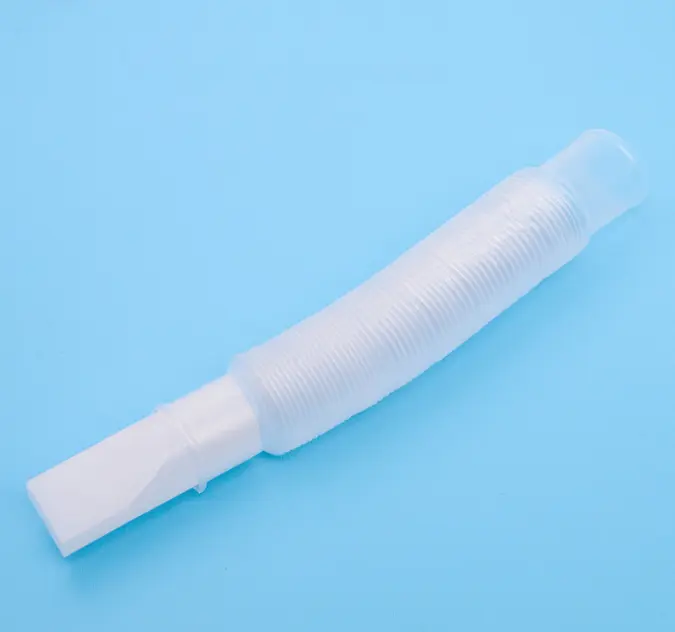
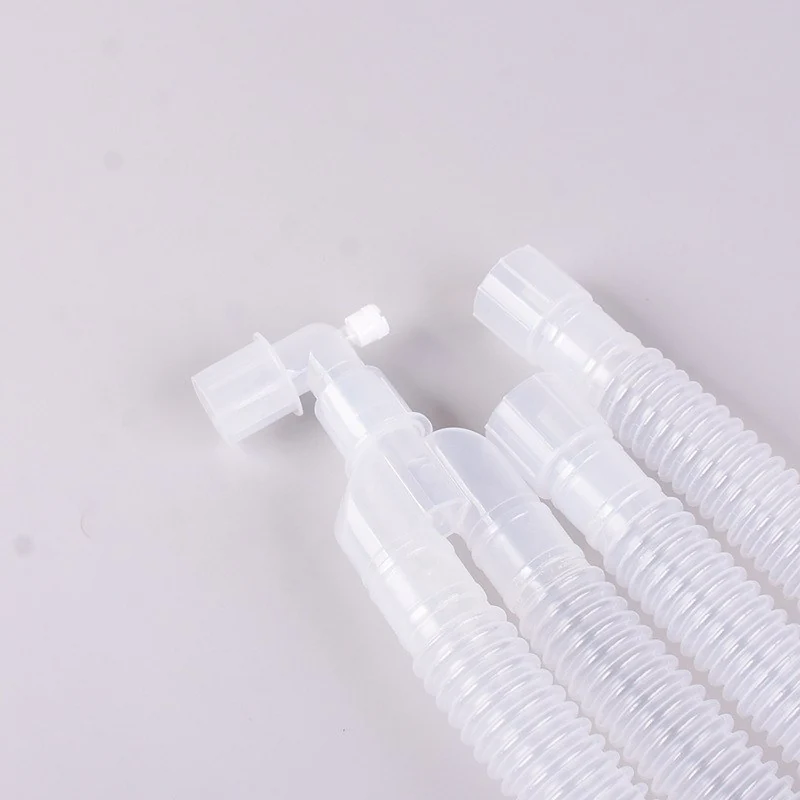
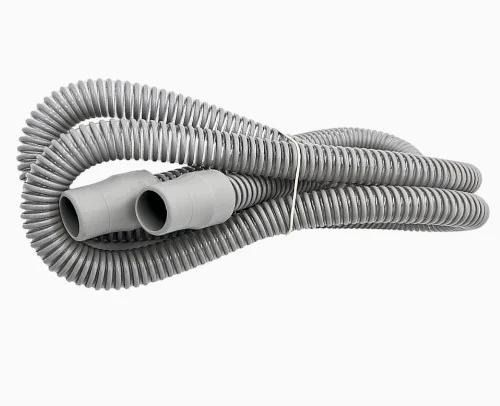
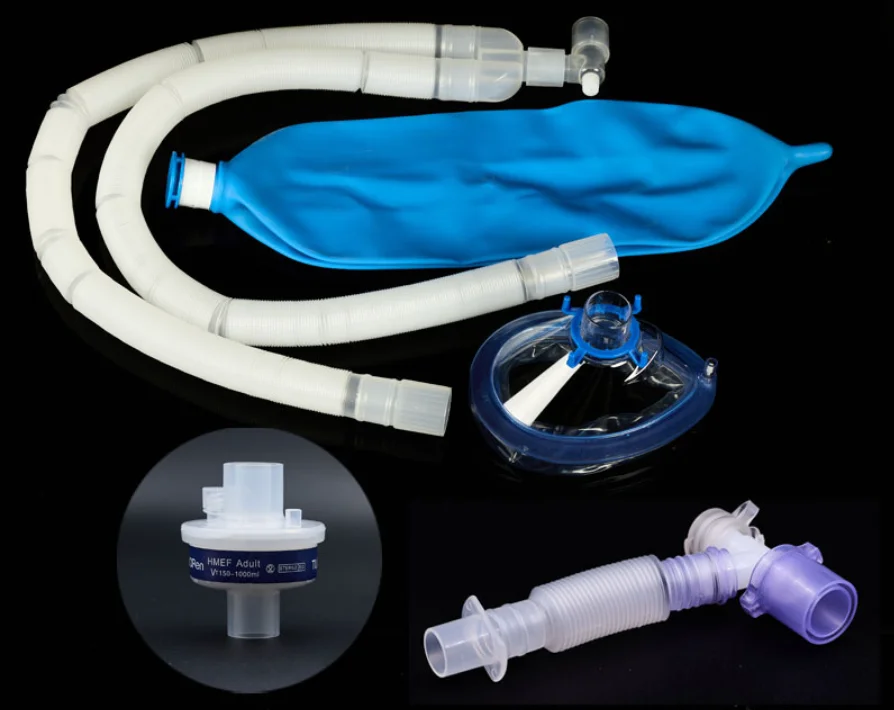
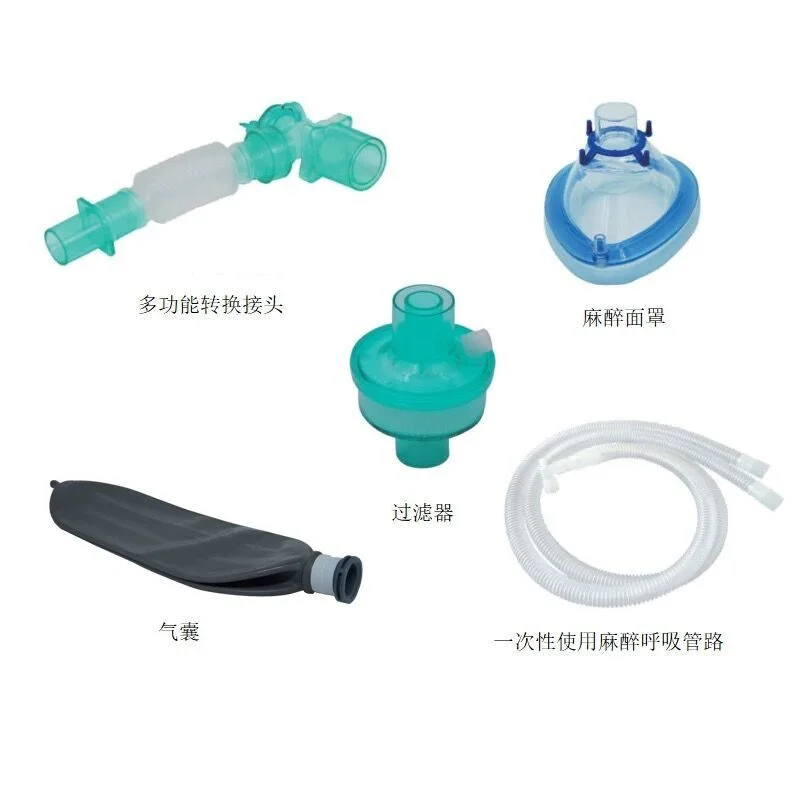
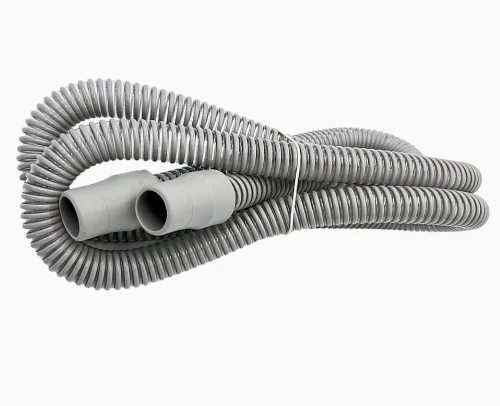
- Ventilation and anaesthesia circuits: they connect the ventilator or anaesthesia machine to the patient — the ICU mechanical ventilation circuit, the anaesthesia & ventilator breathing circuit and the expandable bellows circuit.
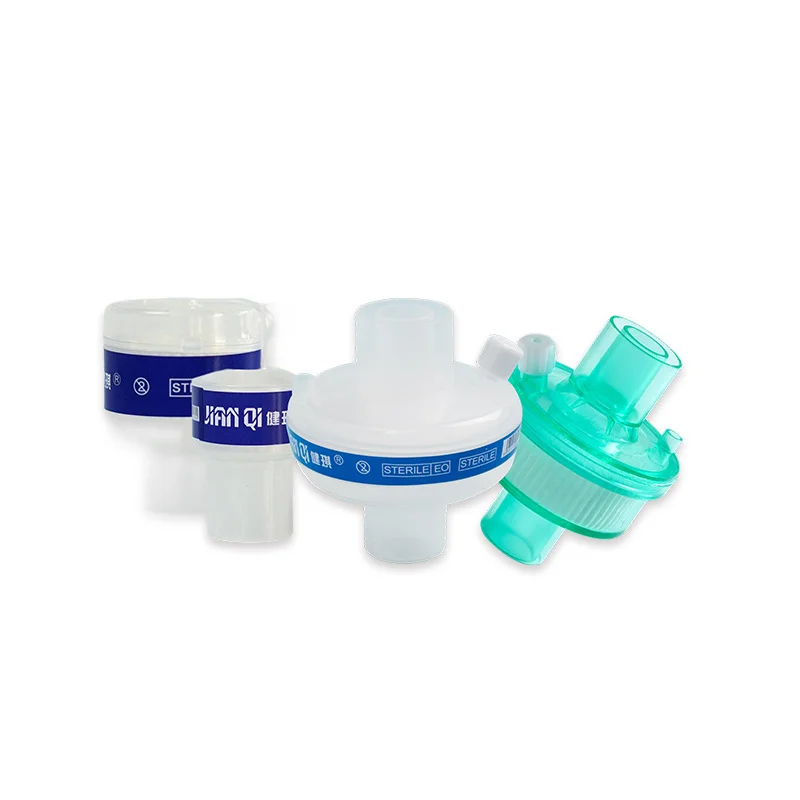
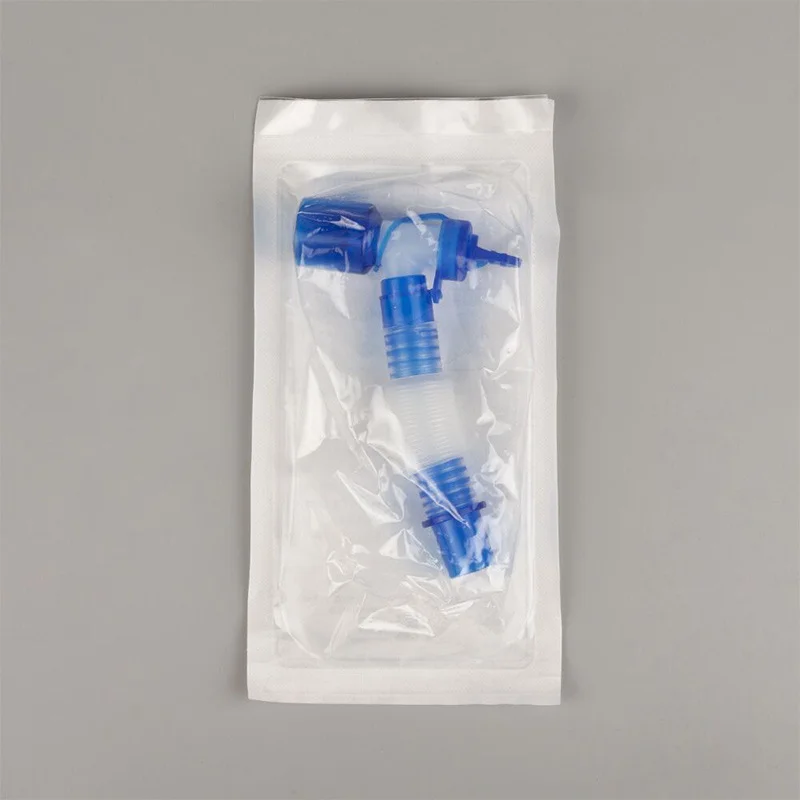
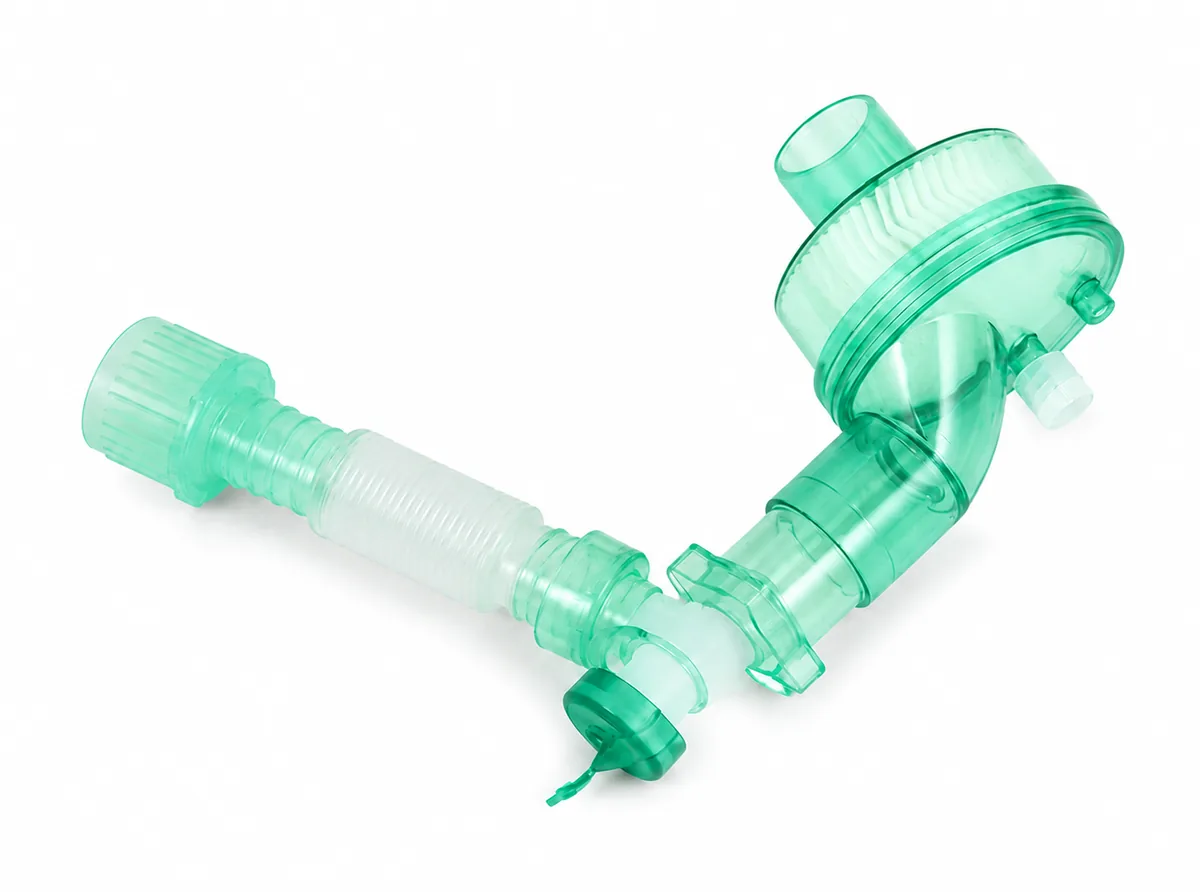
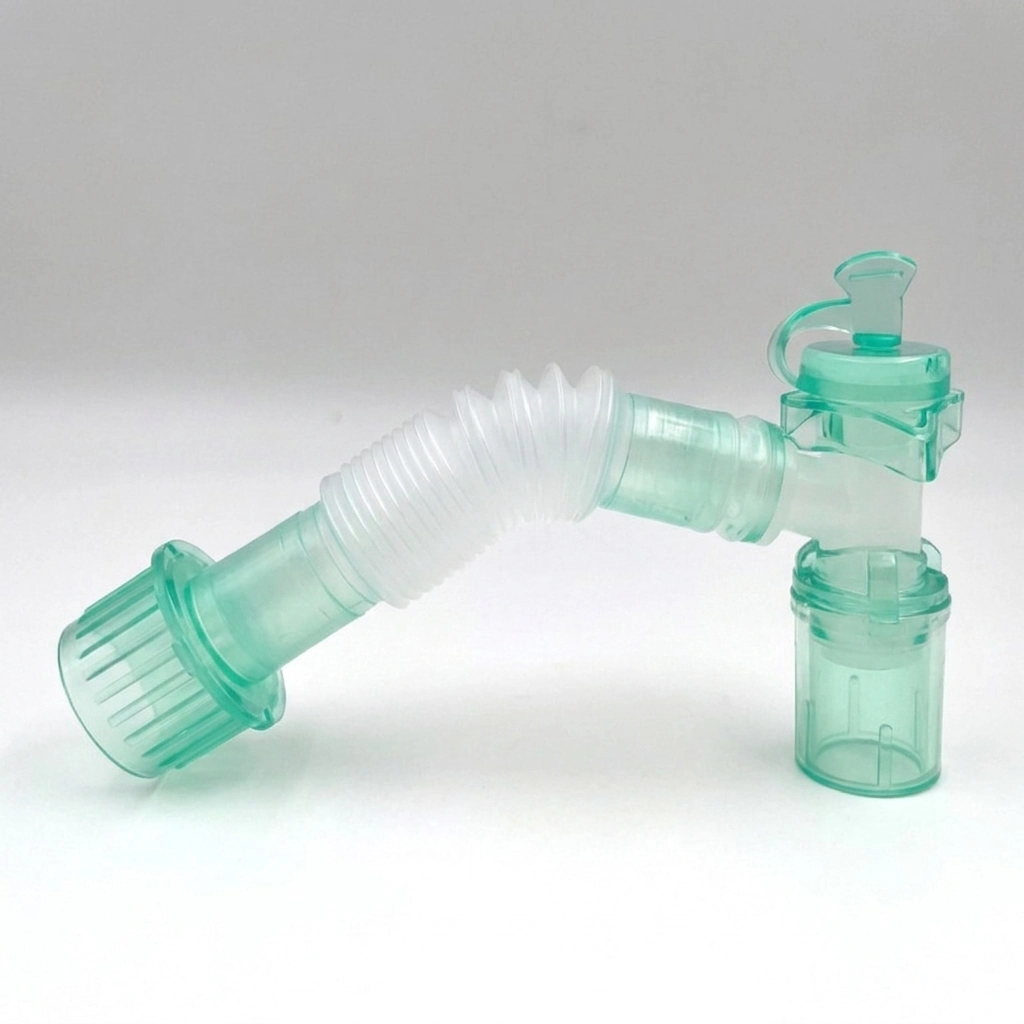
- Airway filters and extensions: the HME breathing filter, the HMEF filter with extension tube and the catheter mount with double swivel elbow.
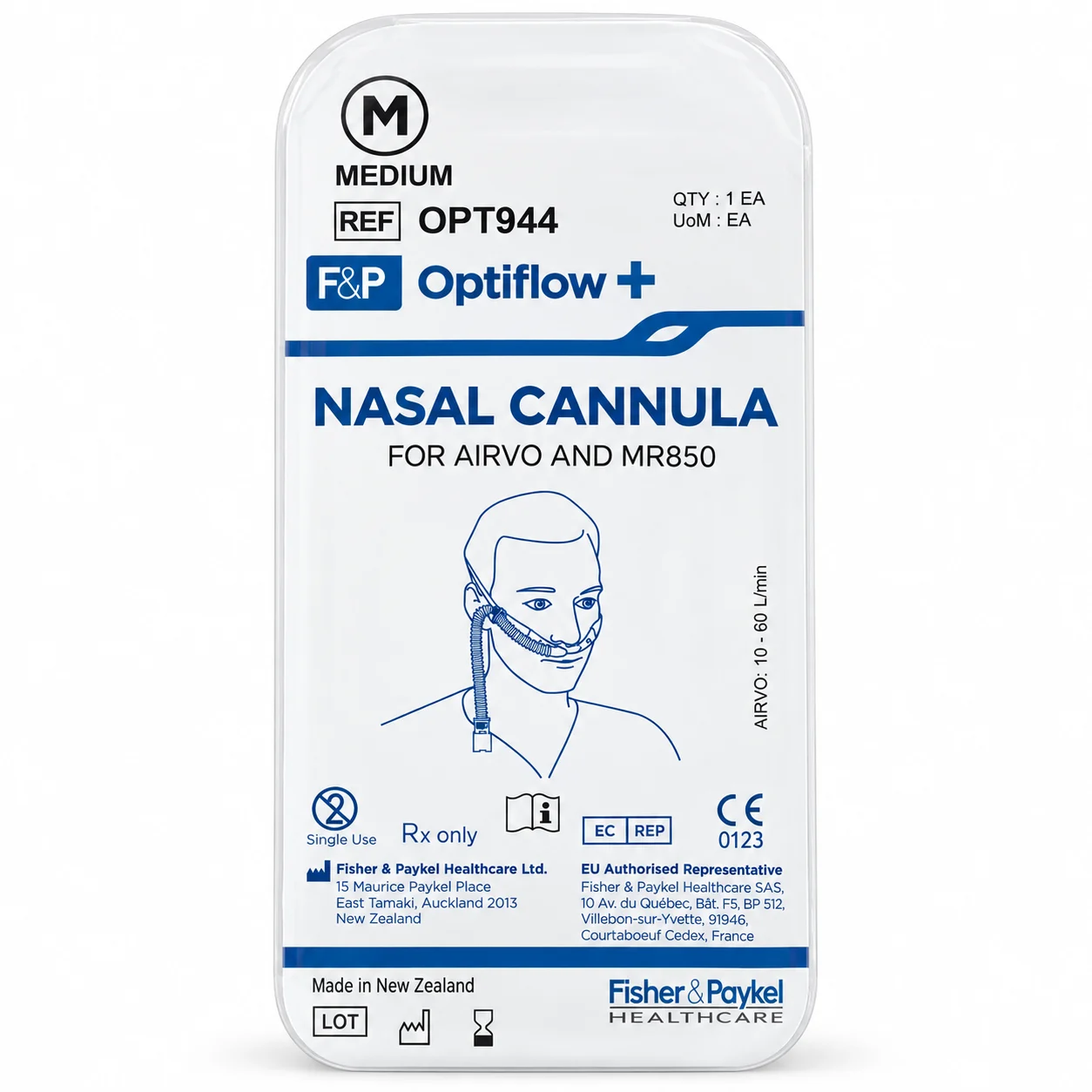
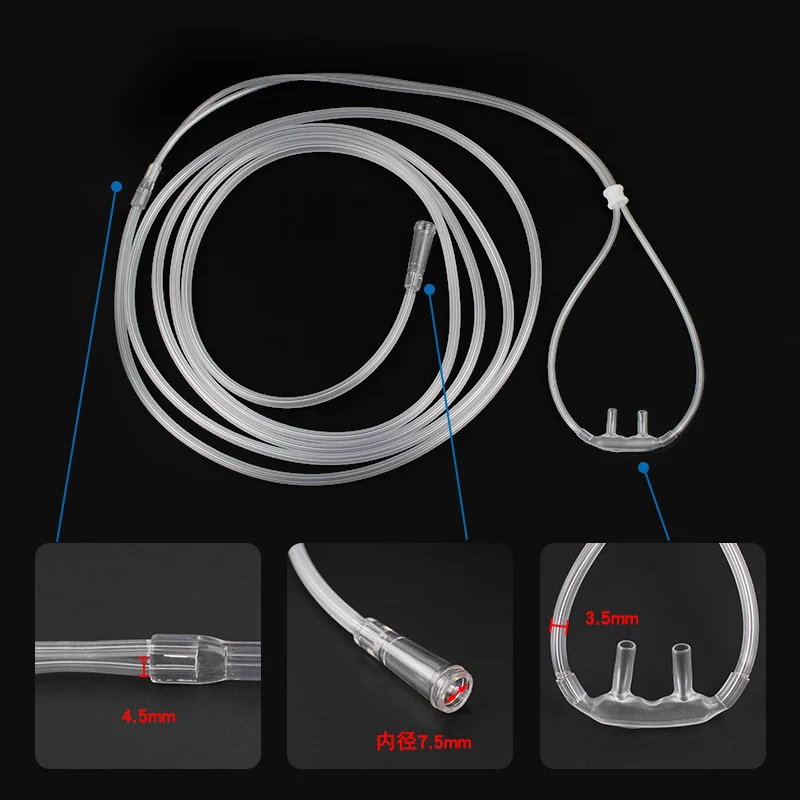
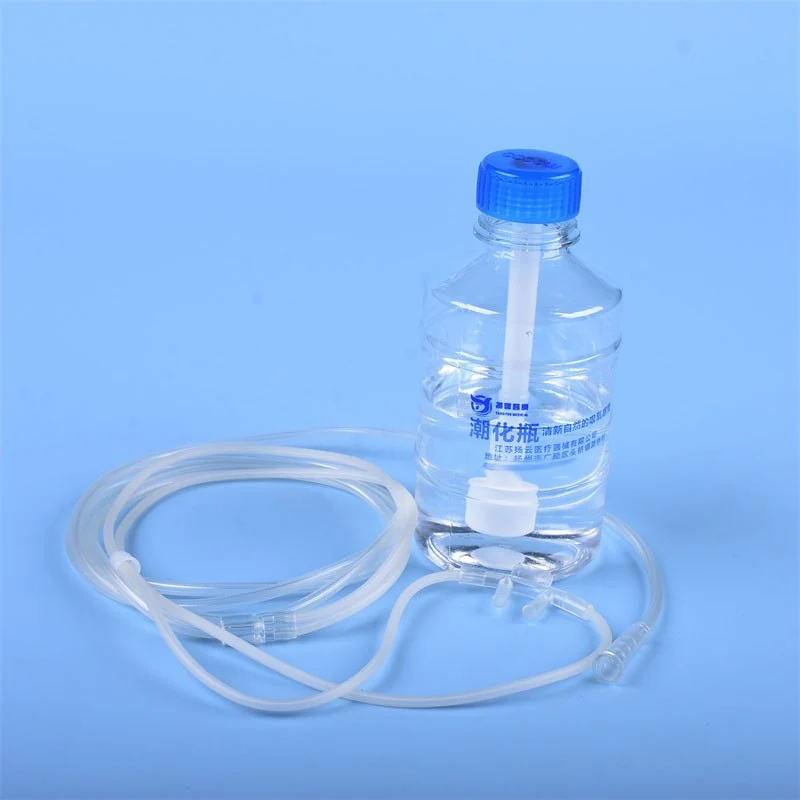
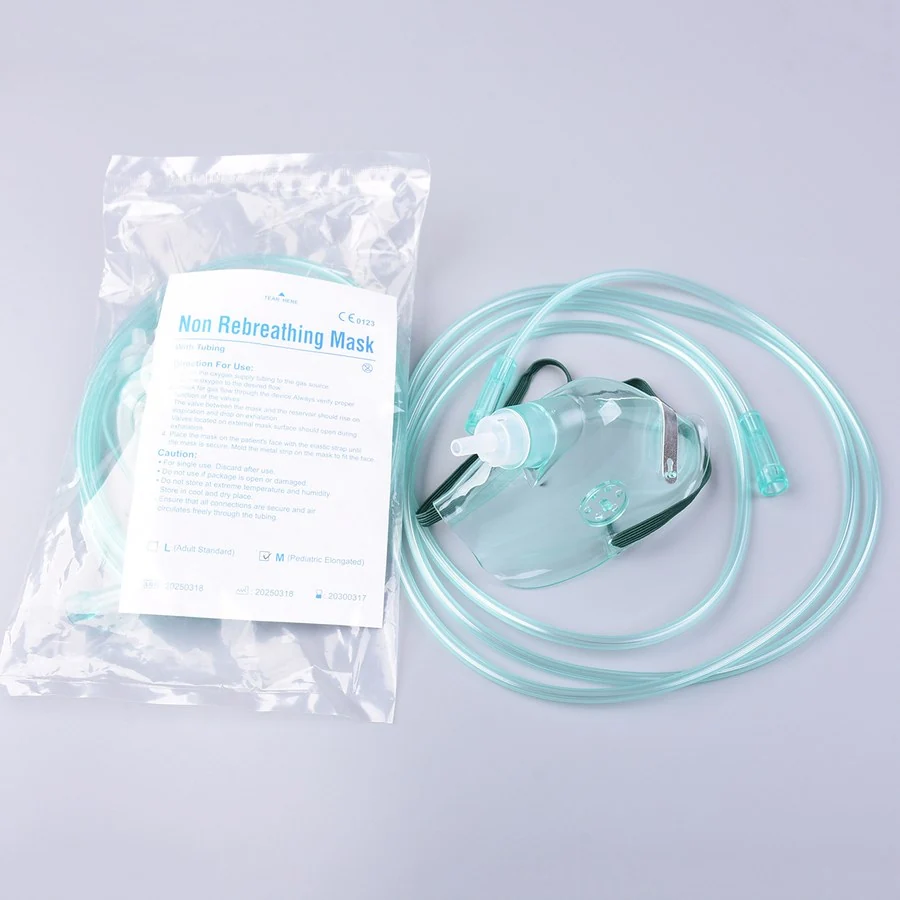
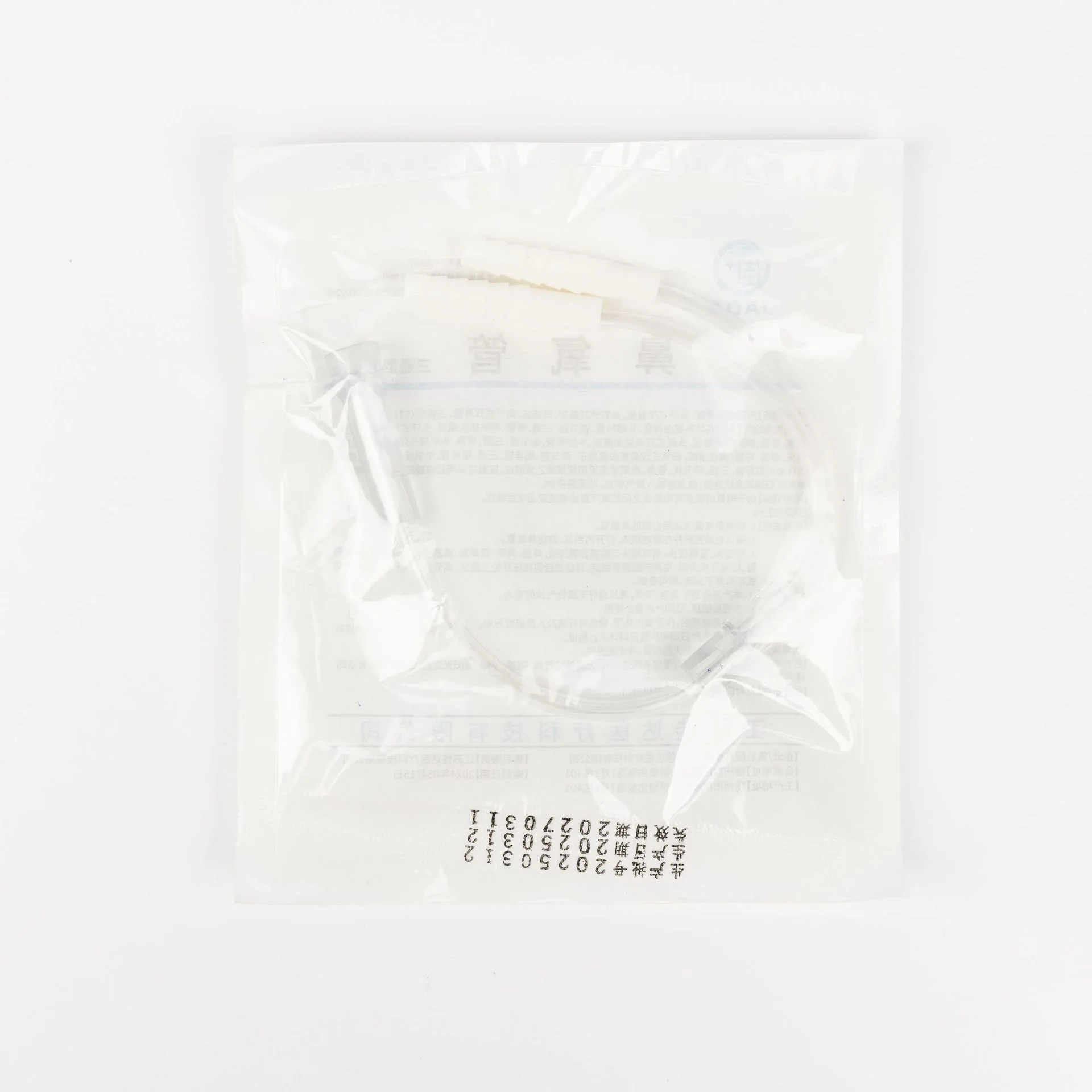
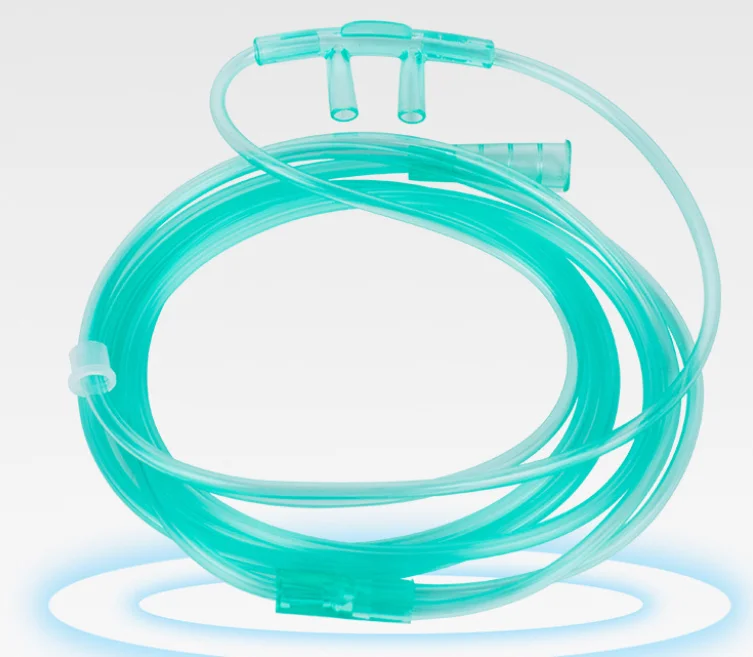
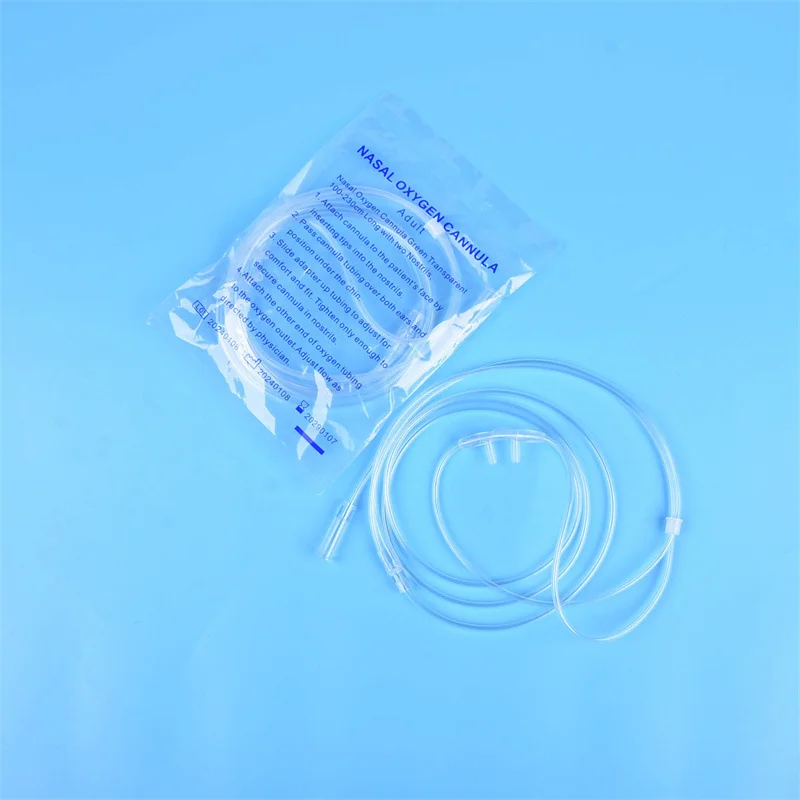
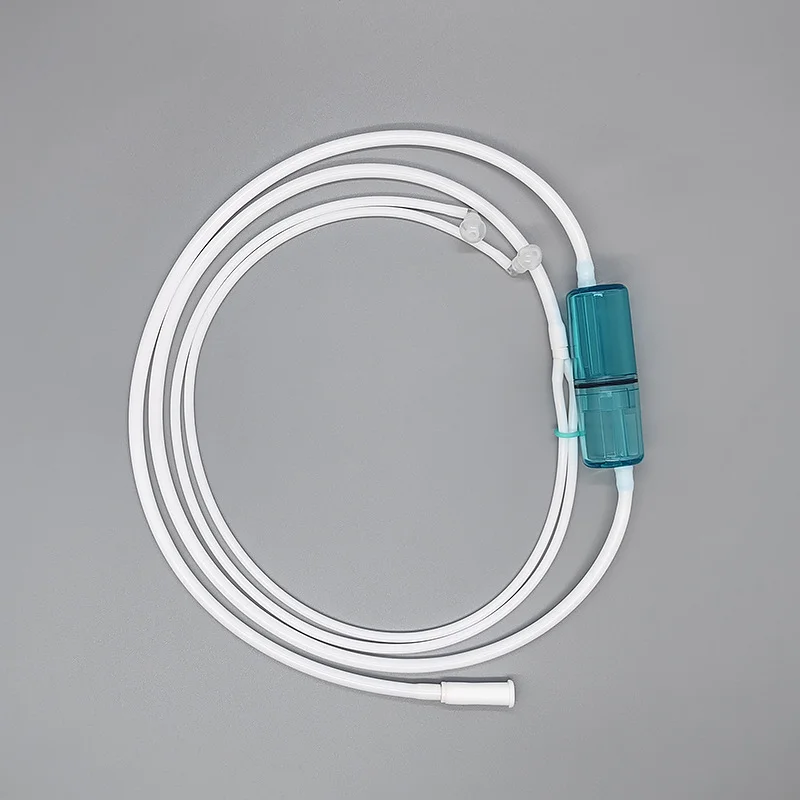
- Oxygen therapy: the nasal oxygen cannula, the disposable oxygen mask and cannula variants (silicone, headset, 3-way, with humidifier).
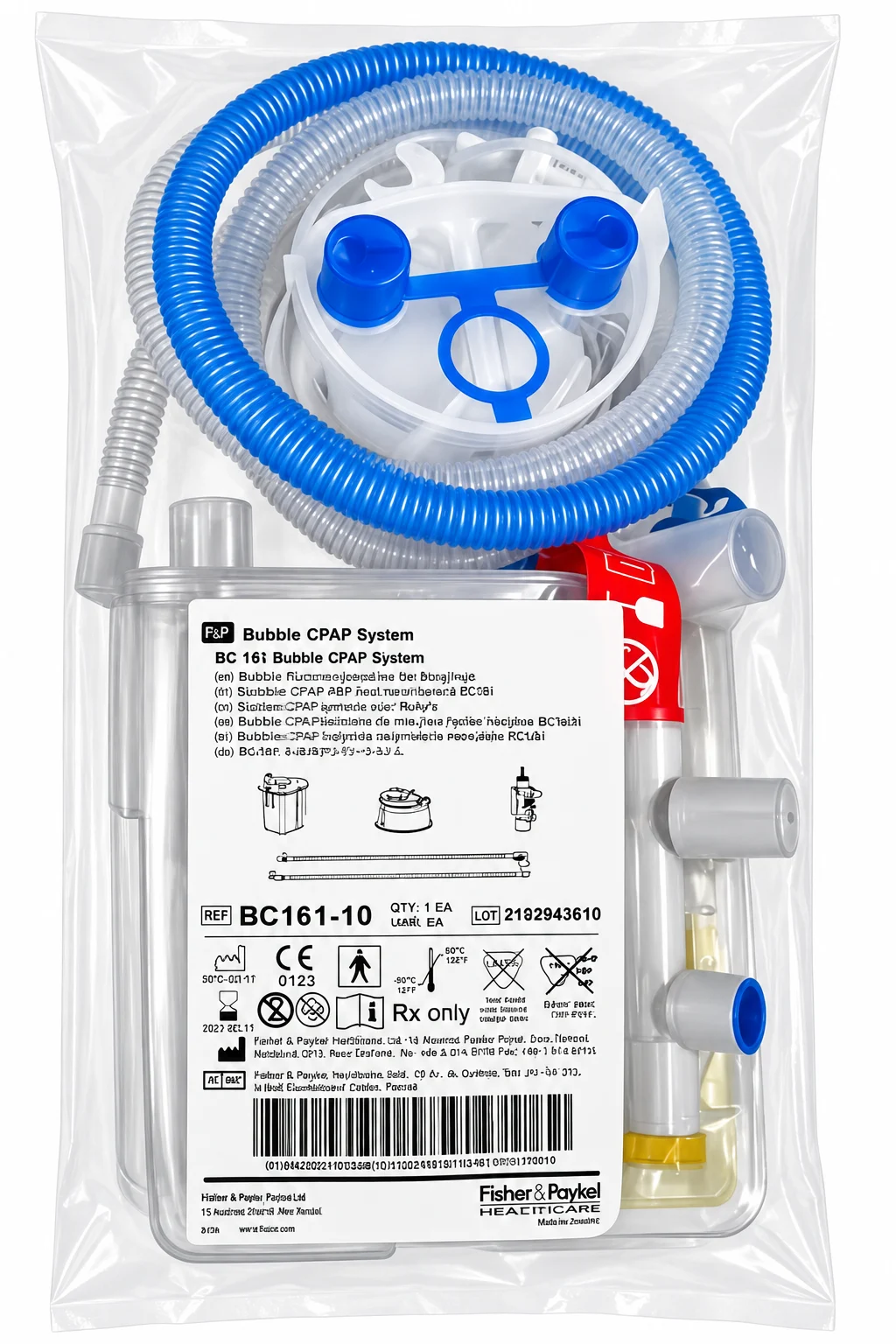
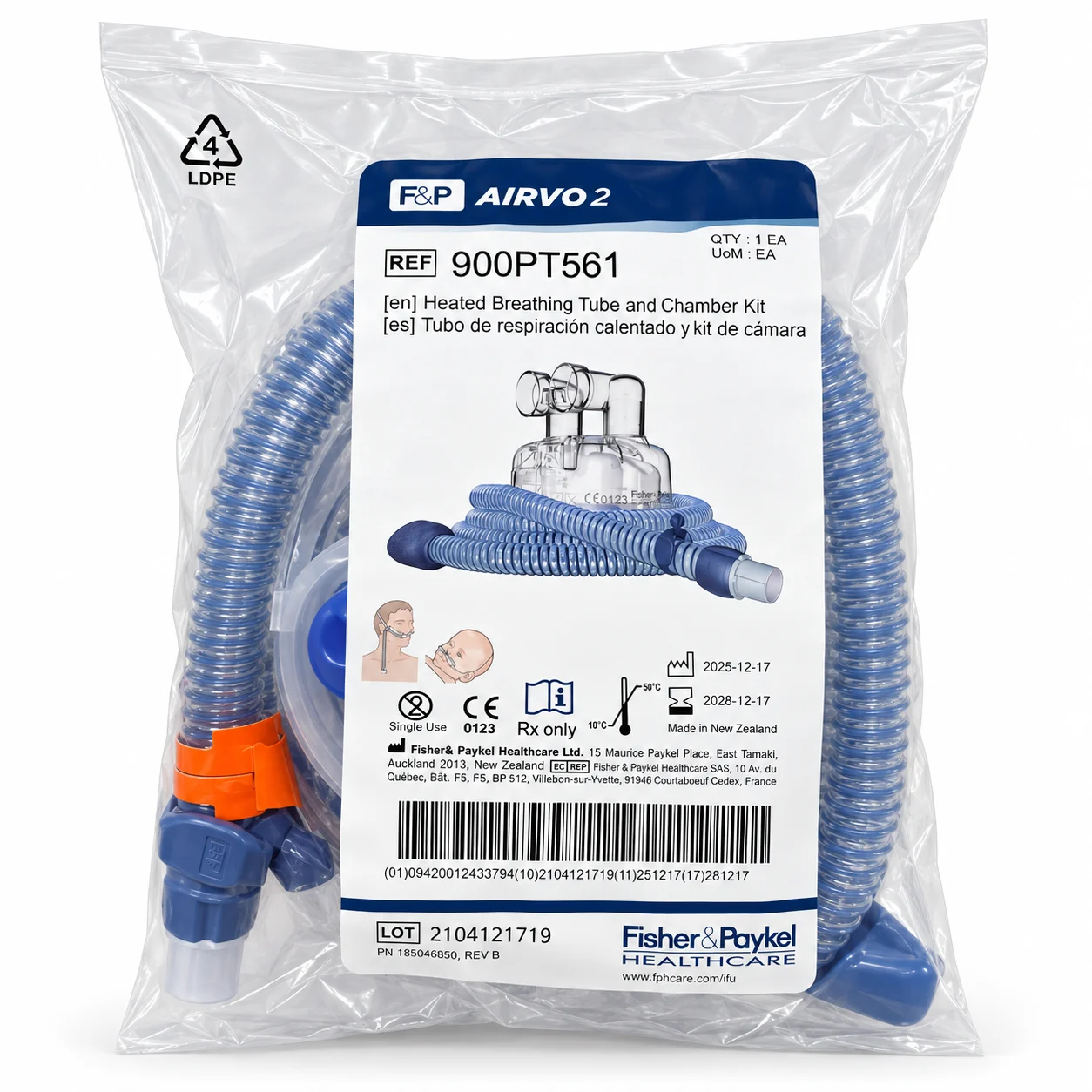
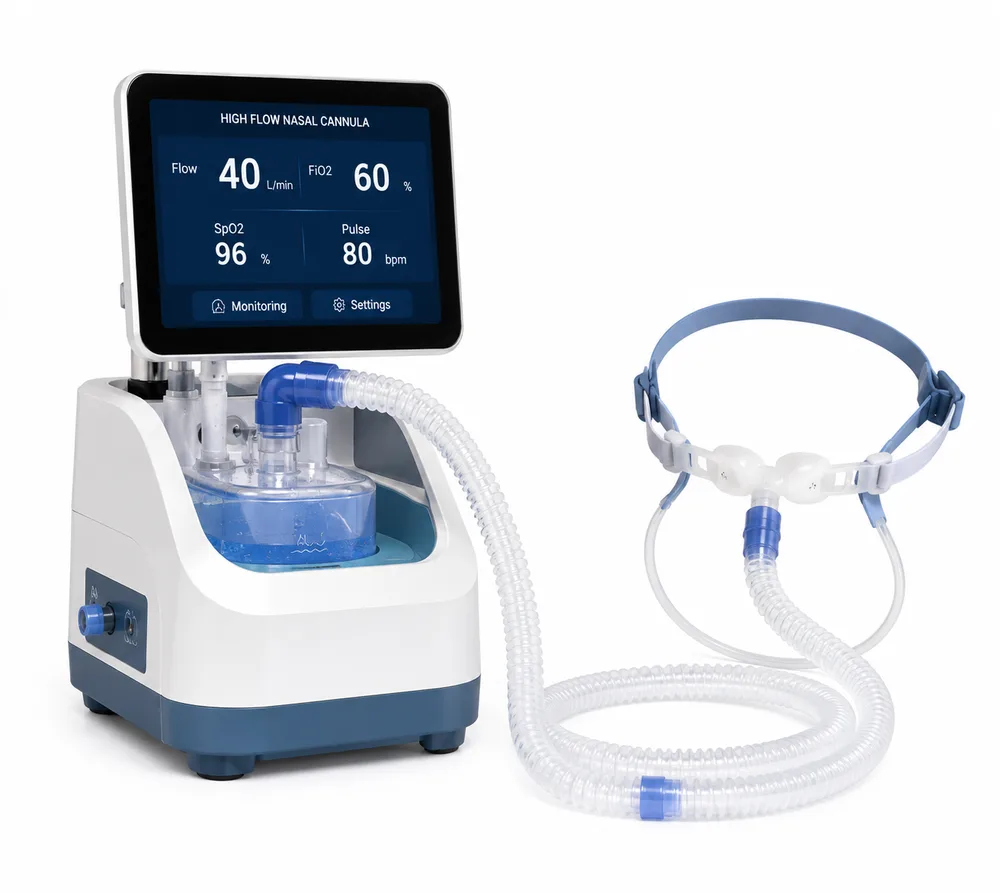
- Neonatal non-invasive support: the neonatal Bubble CPAP circuit for bubble CPAP and the high-flow nasal cannula (HFNC) system.
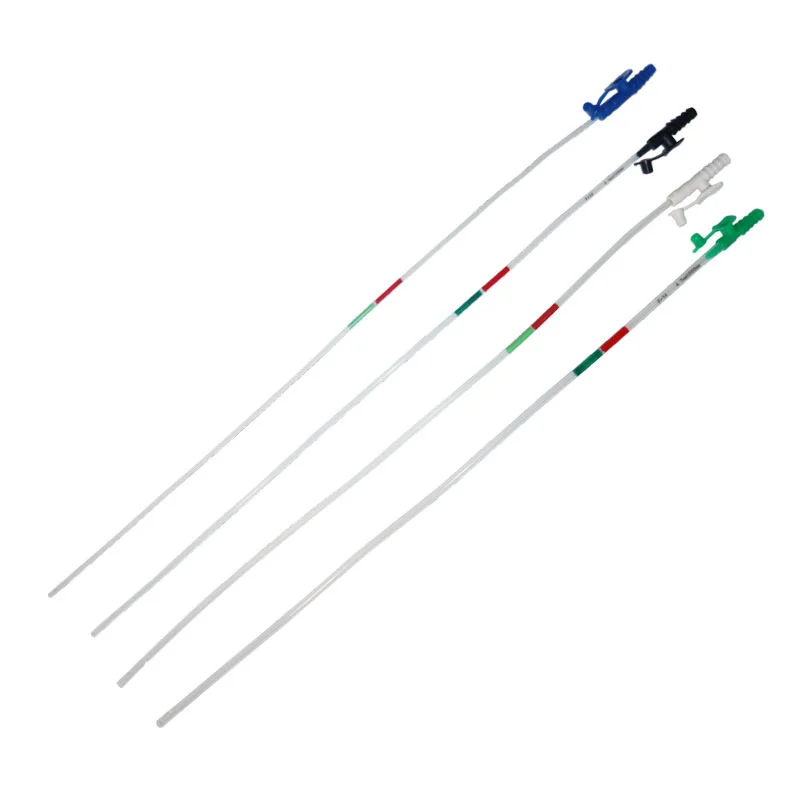
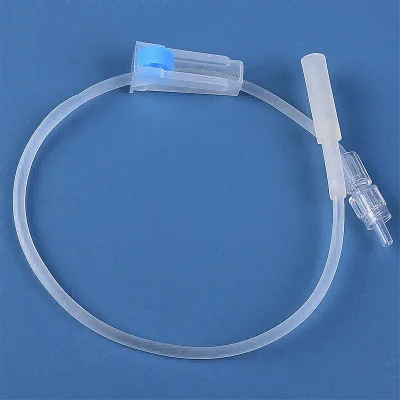
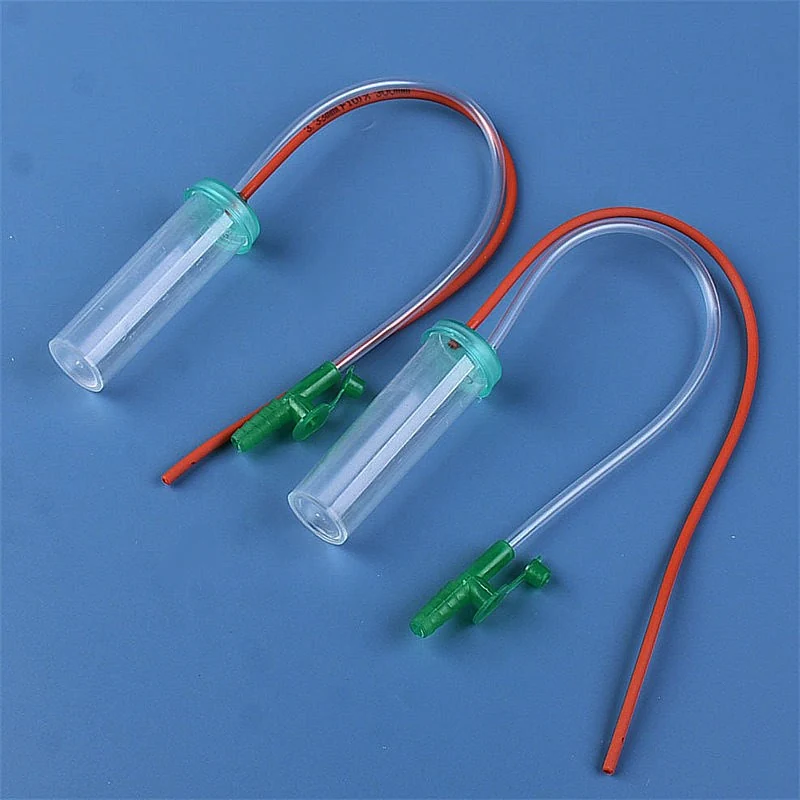
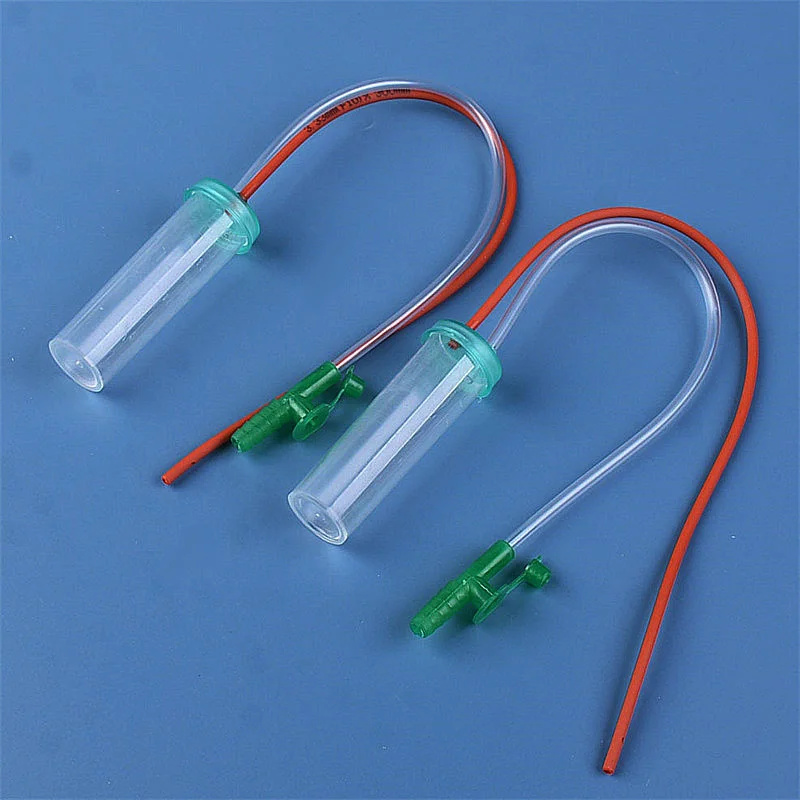
- Suctioning: the disposable suction catheter, the external suction connector and the infant/neonatal nasal aspirator.
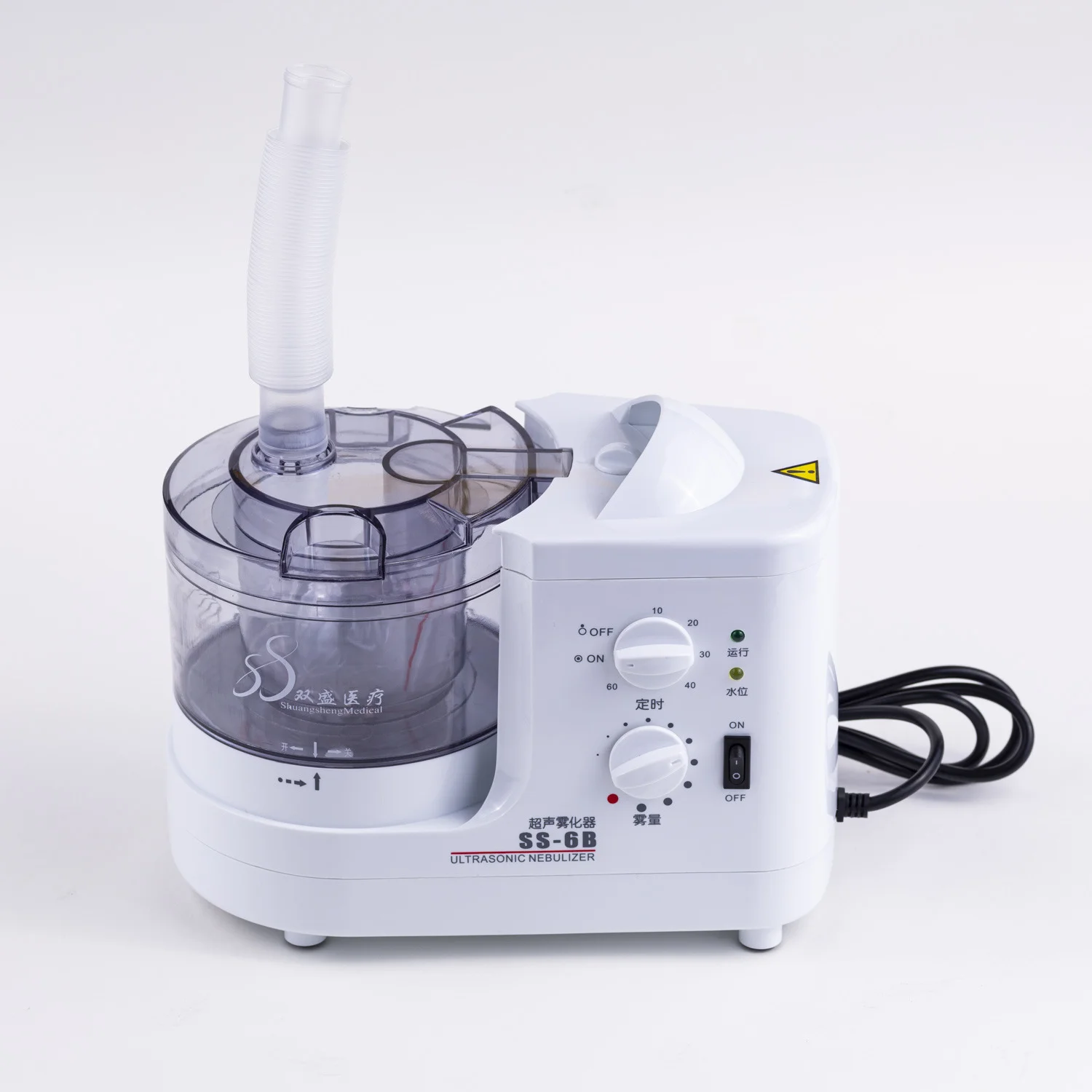
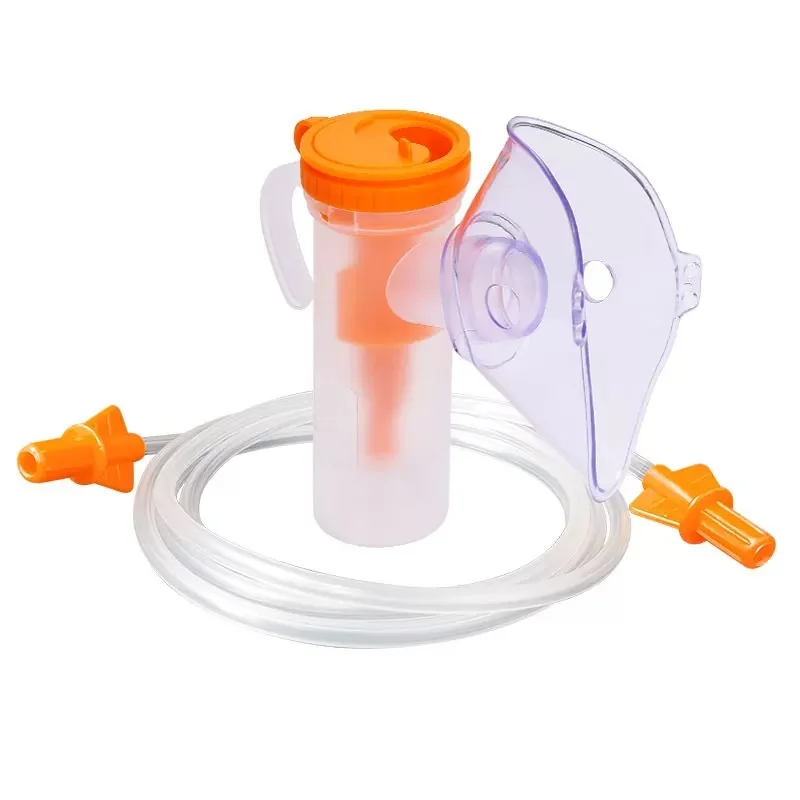
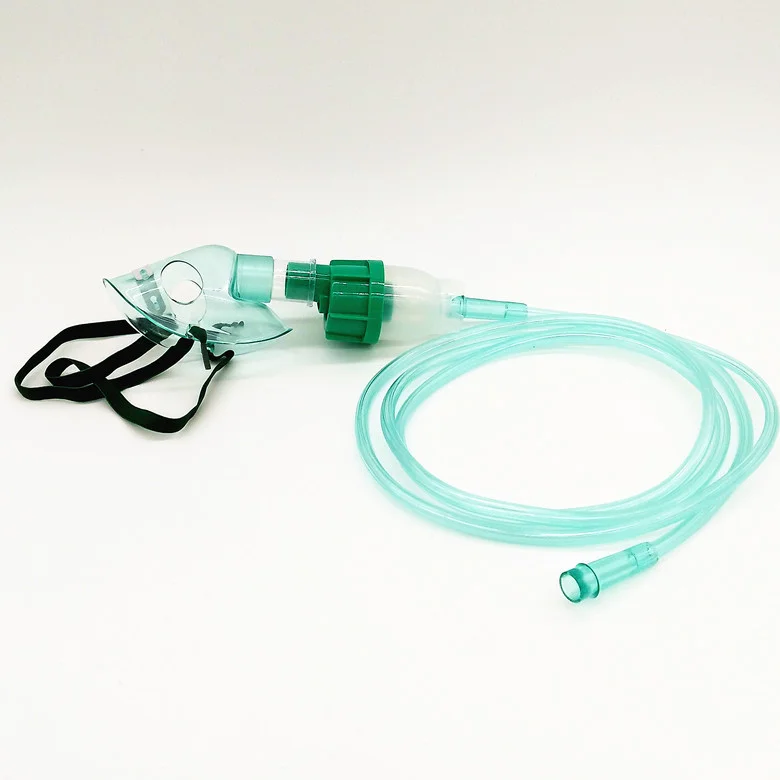
- Nebulization: the disposable nebulizer tube and the complete compressor nebulizer.
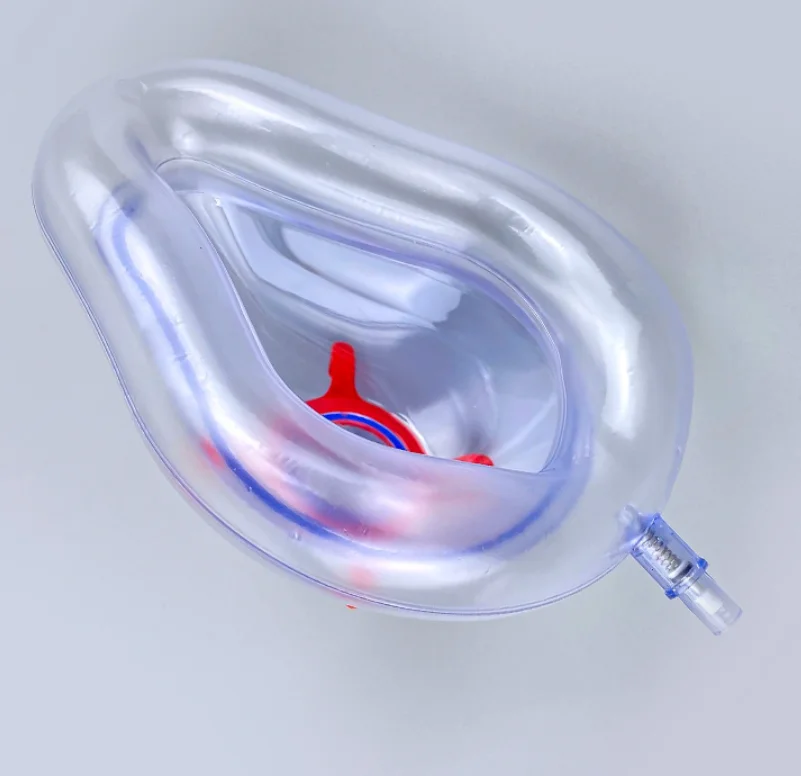
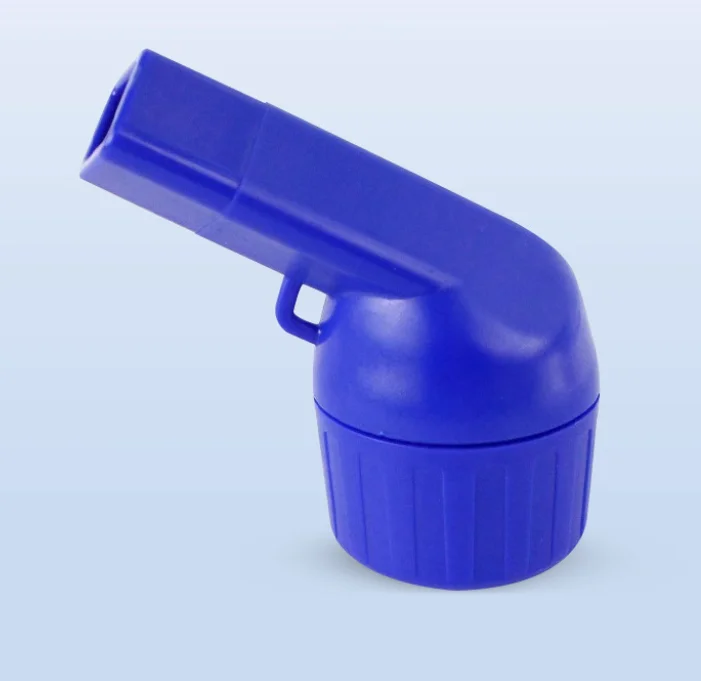
- Resuscitation and physiotherapy: the inflatable anaesthesia mask and the Flutter PEP respiratory trainer.
Regular protocol-based replacement is the first line of defence against VAP and cross-infection.
How to choose the right breathing circuit
Three variables define a circuit purchase: the patient type, the humidification (active or passive) and the connector.
| Variable | Options | When |
|---|---|---|
| Size | Adult / paediatric / neonatal | Never use adult size on a paediatric patient: dead space matters |
| Configuration | Coaxial / dual-limb, with or without water trap | Depends on active vs passive (HME) humidification |
| Connector | 22/15 mm ISO standard | Universal compatibility with most ventilators |
The circuit is single-patient and is not changed routinely by calendar: evidence shows frequent replacement increases VAP risk. It is changed only when visibly soiled or malfunctioning — full detail in how often to change the ventilator circuit.
Oxygen therapy: nasal cannula, mask and FiO₂
The choice of oxygen device depends on the FiO₂ required. Approximate values:
| Device | Flow (L/min) | FiO₂ |
|---|---|---|
| Nasal cannula | 1–6 | 24–44 % |
| Simple mask | 6–10 | 40–60 % |
| Non-rebreather (reservoir) mask | 10–15 | 80–95 % |
The nasal oxygen cannula is the most-used low-flow system on the ward and at home; above 6 L/min it adds no more FiO₂ and you move to a mask. For sensitive skin there is the soft silicone cannula and, for higher flows with dryness, the cannula with humidifier bottle. Related guides: FiO₂ by device chart and nasal cannula oxygen therapy: flow and care.
HME vs HMEF filter and suctioning
The HME ("artificial nose") retains the heat and moisture the patient exhales; the HMEF adds a membrane that filters bacteria and viruses, protecting both patient and ventilator. It is changed every 24 h, or sooner if saturated — see the HME filter guide.
In suctioning, the catheter size is on the French scale and must respect the half-tube-diameter rule for the endotracheal tube. Vacuum pressure is set by age (adult 80–120 mmHg). The full procedure is in suctioning technique: pressure (mmHg) and steps and the suction catheter sizes guide.
What to check when buying respiratory supplies wholesale
For a hospital, pulmonary clinic or distributor:
- Full size ranges (adult, paediatric, neonatal) across circuits, masks and cannulas.
- 22/15 mm ISO connectors for universal ventilator compatibility.
- Latex-free material, medical-grade PVC, EO sterilisation and ISO 10993 biocompatibility.
- Certified bacterial/viral filtration in HMEF and a dead space matched to the patient size.
- CE (MDR 2017/745) / ISO 13485 certification and lot traceability for audits and tenders.
Edaochi manufactures and exports the full respiratory range with permanent stock, adult and paediatric sizes, samples for evaluation and a private-label (OEM) option. Box price and MOQ quote on WhatsApp in under 24 h.
Related articles
Neonatal Bubble CPAP Circuits: 5 Compatibility Points Before You Buy
Read article →How Often to Change the Ventilator Circuit: Protocol and VAP Prevention
Read article →HMEF Filter with Catheter Mount: Clinical Guide for Anaesthesia and ICU
Read article →Nasal Cannula Oxygen Therapy: Flow, FiO₂, Care and Home Cleaning
Read article →Oxygen Delivery Device FiO₂ Chart: Nasal Cannula, Mask, Venturi and Reservoir
Read article →Suctioning Technique: Correct Pressure (mmHg) and Steps
Read article →How to Use a Nebulizer: Steps, How Often and Cleaning
Read article →How to Use and Maintain an Oxygen Concentrator: Filter Cleaning and Care
Read article →Frequently asked questions — Respiratory Supplies
What are your lead time and regulatory documentation?
Stock items (circuits, masks and cannulas in adult and paediatric sizes) ship quickly; OEM or customised orders have a longer production lead time. We provide CE / ISO 13485 documentation and support medical-device registration per destination country.
How often is the ventilator circuit changed?
Not routinely by calendar. Current evidence shows frequent replacement increases the risk of ventilator-associated pneumonia (VAP). It is changed only when visibly soiled, malfunctioning or when the patient changes, while being inspected every shift.
What is the difference between an HME and an HMEF filter?
The HME retains the heat and moisture the patient exhales. The HMEF adds a filter membrane that traps bacteria and viruses, protecting both patient and ventilator from cross-contamination. Both are changed every 24 h, or sooner if saturated.
Up to how many litres does a nasal cannula work?
Up to about 6 L/min, where it delivers a FiO₂ near 44 %. Above that flow it does not increase FiO₂ and only dries the mucosa; you move to a simple, Venturi or reservoir mask, or to a high-flow cannula.
Do circuits come in paediatric and adult sizes?
Yes. We stock circuits, masks and cannulas in adult, paediatric and neonatal sizes. An adult size must never be used on a paediatric patient, because the dead space and resistance compromise ventilation.
Do you offer samples and private label (OEM) for distributors?
Yes. We work with an accessible minimum order, send samples for evaluation and offer private-label (OEM) packaging. We manufacture with CE / ISO 13485 certification and documentation for medical-device registration in your country.
Need Help Planning Respiratory Consumables?
Estimate monthly usage and reorder quantity for respiratory disposable supplies before sending your inquiry.