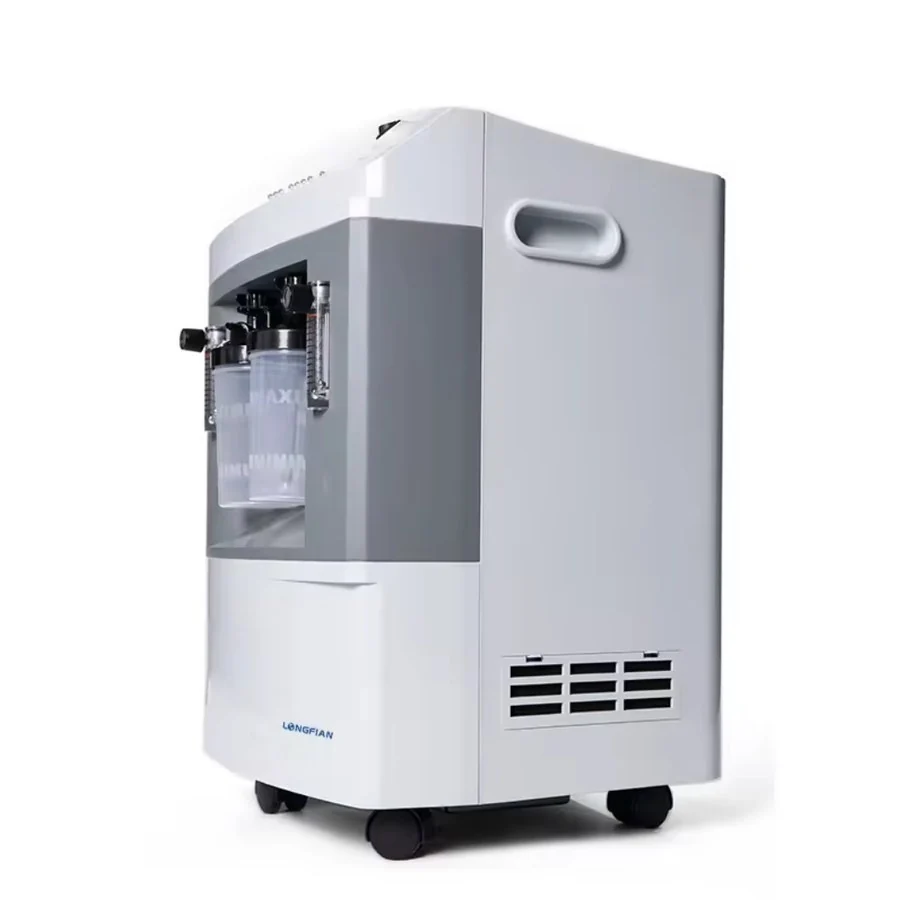
An oxygen concentrator pulls oxygen from room air and delivers it concentrated, avoiding dependence on cylinders that have to be refilled. It is the central device of home oxygen therapy, but its performance depends on maintenance: a dirty filter lowers the oxygen concentration and shortens the unit's life. The most common questions are "how is it used?", "how often are the filters cleaned?" and "what maintenance does it need?". This guide sums it up and explains what to check when buying concentrators wholesale for home care, clinics and distributors. It complements the nasal cannula oxygen therapy guide.
How to use the concentrator step by step
- Placement: in a ventilated spot, 15–30 cm from the wall and away from curtains, heat sources and flames (oxygen supports combustion). Do not use near anyone smoking.
- Humidifier water: if the unit has a humidifier bottle, fill it with sterile distilled water to the mark; at low flows it may not be needed.
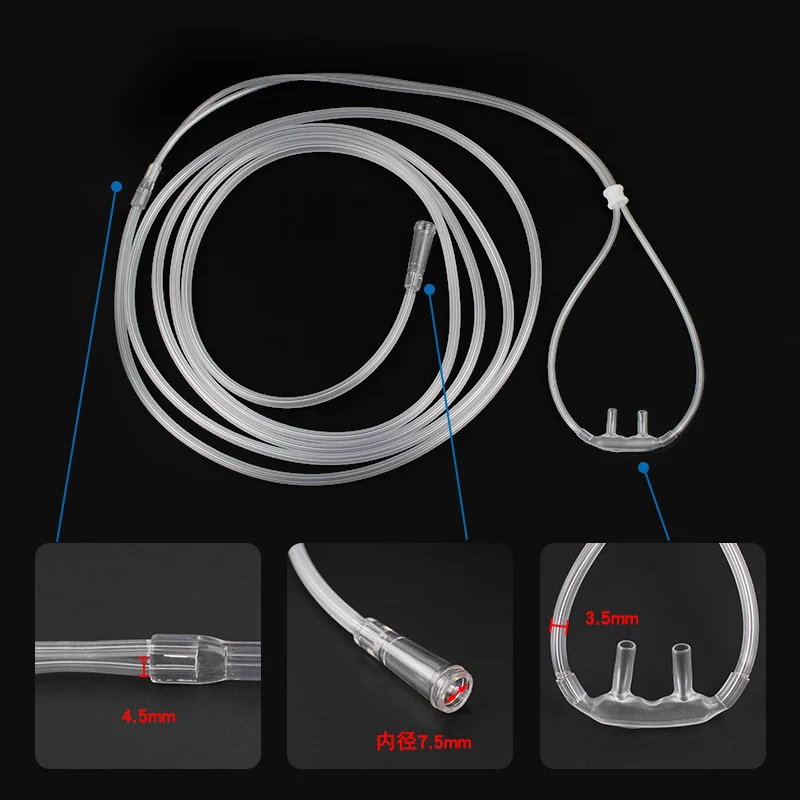
- Connection: attach the nasal cannula (or mask) to the outlet; check the tube is not kinked.
- Power and flow: switch on, let it stabilise 1–2 min and set the flowmeter to the prescribed flow (L/min). Do not raise the flow on your own.
- Check: that oxygen is coming out (bubbling in the humidifier or air at the cannula) and that the concentration/alarm indicator is in range.
- Shutdown: when finished, switch off and, if humidifying, empty and dry the bottle.
The flow and hours of use are set by the prescription against the target saturation (usually SpO₂ 94–98 %, or 88–92 % in COPD retainers).
Filter cleaning: how often and how
The concentrator has several filters, each with its own frequency. A clogged inlet filter is the #1 cause of low concentration and overheating:
| Filter / part | Indicative frequency |
|---|---|
| Air inlet filter (foam, washable) | Wash 1–2 times a week |
| Fine / internal HEPA filter | Per manufacturer (not washable; replace) |
| Humidifier bottle | Empty and wash daily; fresh distilled water |
| Nasal cannula | Change every 2–4 weeks |
| Oxygen tube | Check for kinks; replace if it stiffens |
How to wash the foam filter: switch off and unplug, remove the filter, wash it with warm water and mild soap, rinse, dry completely and reinstall. Never fit a wet filter: it favours mould and damages the unit.
Maintenance and safety
Carer maintenance (home):
- Keep the ventilation grilles and inlet filter clean.
- Change the humidifier water daily and the cannula on schedule.
- Watch alarms: a low-concentration alarm usually means a dirty filter, a leak or a need for technical service.
Technical maintenance (service):
- Periodic checks of the delivered O₂ concentration, replacement of the HEPA/fine filter and the molecular sieve per running hours and manufacturer.
Environment and storage: operate at 10–40 °C and below 80% humidity, about 30 cm from the wall. Do not clean the housing or filters with alcohol, petroleum-based products or abrasives (they damage the plastic and tubing). If the unit is stored, run it at least 10 hours per month so the molecular sieve does not harden. The low-purity alarm typically triggers when delivered O₂ falls below ~85%.
Oxygen safety:
- No smoking or flames/flammable aerosols nearby.
- Do not use petroleum-based creams (petroleum jelly) on the nose: they are flammable; use water-based products.
- Keep a backup source (cylinder or second unit) for power cuts if the patient is oxygen-dependent.
Common mistakes
- Not cleaning the inlet filter: lowers the O₂ concentration and overheats the unit.
- Pushing the concentrator against the wall or a curtain: blocks ventilation.
- Refilling the humidifier with tap water: leaves minerals and favours contamination; use sterile distilled water.
- Raising the flow "to improve things": the nasal cannula adds no more FiO₂ above 6 L/min and dries the mucosa.
- Ignoring the low-concentration alarm: usually a dirty filter or leak; check before using it further.
- No backup for power cuts in oxygen-dependent patients.
How to choose the oxygen concentrator
For a home-care provider, a clinic or a distributor, the first thing is flow and concentration: enough output (for example up to 5 to 10 L/min) that keeps a stable O₂ concentration (around 90 to 96 %) across the range, with a concentration indicator (OCSI) and alarms. The filters should be accessible and easy to change, with spares available, and the noise tolerable for night-time use at home. If the patient also nebulizes, a model with integrated nebulization like the 10 L oxygen concentrator with nebulization saves having two machines. It helps if the connectors are universal, compatible with standard cannulas, humidifier bottles and tubing.
We offer concentrators with integrated nebulization and compatible accessories, with CE / ISO 13485, warranty and spares in destination; ask us for samples and, if you want, we make them under your brand. Let's take it to WhatsApp.
Frequently Asked Questions
How often are the oxygen concentrator filters cleaned?
The foam inlet filter (washable) is washed 1 to 2 times a week with warm water and mild soap, and reinstalled completely dry. The fine or internal HEPA filter is not washable and is replaced per the manufacturer. The humidifier bottle is emptied and washed daily with fresh distilled water.
How do you use an oxygen concentrator?
Place it in a ventilated spot away from flames, fill the humidifier with sterile distilled water if it has one, connect the nasal cannula, switch on, let it stabilise 1–2 minutes and set the flowmeter to the prescribed flow. The flow must not be raised without medical instruction.
Why does the concentrator's oxygen concentration drop?
The most common cause is a dirty or clogged inlet filter, which also causes overheating. It can also be a leak in the cannula or tube, or a need to service the molecular sieve. A low-concentration alarm requires checking before further use.
What safety precautions apply to home oxygen?
No smoking, flames, flammable aerosols or petroleum-based creams near the unit; keep it ventilated and away from heat. For oxygen-dependent patients it is wise to keep a backup source (cylinder or second unit) for power cuts.