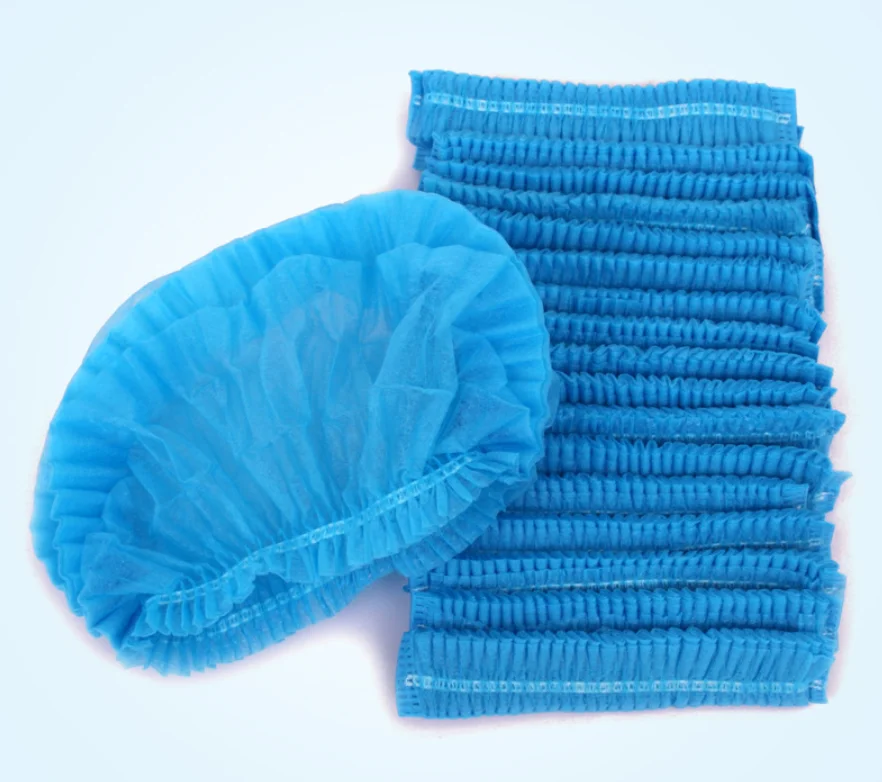
Personal protective equipment (PPE) only protects if it is put on and, above all, removed in the correct order. Most self-contamination happens when removing PPE, not while wearing it. The key questions are "in what order do I put PPE on?", "in what order do I take it off?" and "what is changed between patients?". This guide sums up the donning and doffing sequence, the mistakes that contaminate most, and what to check when buying caps, shoe covers, gowns and gloves wholesale for clinics, hospitals and distributors.
PPE donning order
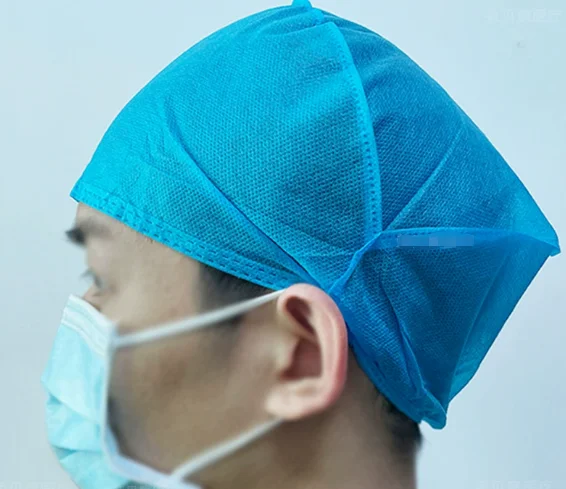
Donning follows an order "from the inside out and from head to body". The standard sequence:
- Hand hygiene (alcohol gel or washing).
- Gown or impermeable apron: tied at neck and waist, covering torso and arms.
- Cap: contains all the hair — see disposable medical cap.
- Mask or respirator: fitted to the nose bridge and under the chin; seal and fit-check the respirator.
- Eye protection (goggles or face shield), if there is a splash risk.
- Shoe covers, if the protocol indicates — see isolation shoe covers.
- Gloves last, covering the gown cuff.
Gloves go last because they are the first thing to get contaminated and the first thing to remove.
PPE doffing order: this is where the risk is
Removal is the moment of greatest self-contamination risk: the golden rule is to treat every outer surface as contaminated and not touch it with the skin. Standard sequence:
- Gloves first (the most contaminated): remove "inside out", one glove with the other, without touching the skin.
- Hand hygiene.
- Eye protection: remove by the temples/back strap, without touching the front.
- Gown: untie, pull from the shoulders forward rolling it with the outer side inward, and discard.
- Hand hygiene.
- Cap: remove from the back.
- Mask/respirator last: remove by the ties/elastics without touching the front, which is the contaminated filtering part.
- Final hand hygiene.
Key note: the mask is removed last because it protects the airway until the very end; and always by the ties, never by the front.
Alternative method (CDC): the gown and gloves can be removed together in one motion — grasp the front of the gown, pull forward to break the ties and roll it inward with the gloves (the "glove-to-glove, skin-to-skin" technique), so your bare hands never touch the contaminated outer surface.
What is changed between patients and what is single-use
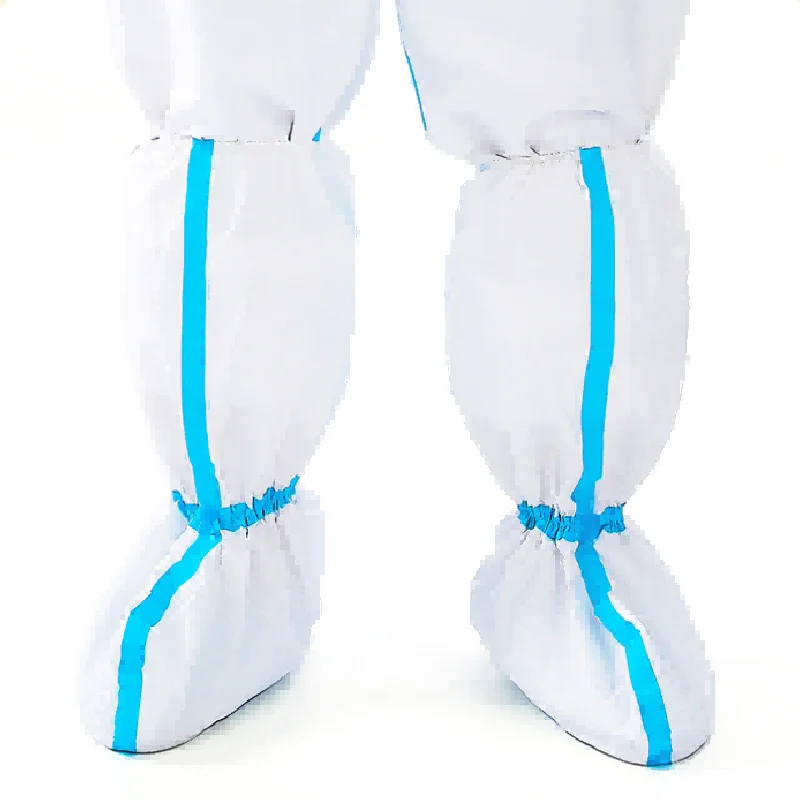
In isolation and procedures, almost all PPE is single-use and changed between patients:
- Gloves: always between patients and between dirty/clean tasks — see medical gloves: size, material and how often to change.
- Gown and cap: single-use; changed when leaving the area or between patients per risk.
- Shoe covers: single-use; removed when leaving the clean/dirty area.
- Surgical mask: single-use, changed if it gets damp or between patients. The respirator may have extended-use guidance per protocol.
- Reusable eye protection: disinfected between uses per manufacturer.
The surgical drape/sheet and the waterproof underpad complete the work-area barrier.
Common mistakes
- Removing the mask by the front: it is the contaminated part; always remove by the ties.
- Doffing in the wrong order: gloves first, mask last.
- Not sanitising hands between doffing steps: that is where the chain breaks.
- Touching the face or phone with gloves on: moves contamination to the environment.
- Reusing single-use gown, cap or shoe covers: voids the barrier.
- A cap that does not contain all the hair, or a mask without a sealed nose bridge: leave contamination routes open.
How to choose PPE for your service
Thinking about supplying a whole service, the cap is best in breathable SMS or TNT, with an elastic that contains all the hair, in whichever format you prefer (round or clip style). The shoe covers, non-slip with a firm elastic, with a waterproof or CPE version for wet areas and theatre. The gown or drape, of adequate weight and impermeable where a fluid barrier is needed, with sterile drapes for procedures. And the gloves, in a full size range with a latex-free line. All with CE / ISO 13485 certification, EO sterility where it applies, lot traceability and latex-free elastics for allergic users.
We supply the full PPE line (cap, shoe covers, drapes and gloves) with permanent stock; ask us for samples and, if it suits you, we make it under your brand. We'll sort it out on WhatsApp.
Frequently Asked Questions
In what order do you put on PPE?
Hand hygiene, gown, cap, mask or respirator, eye protection, shoe covers and gloves last. Gloves go last because they are the first thing to get contaminated and the first thing to remove, covering the gown cuff.
In what order do you remove PPE?
Gloves first (the most contaminated), hand hygiene, eye protection, gown, hand hygiene, cap, and the mask or respirator last, removing it by the ties without touching the front. Sanitise hands at the end. Removal is the moment of greatest self-contamination risk.
Why is the mask removed last?
Because it protects the airway until the very end, once the rest of the contaminated PPE has been removed. It must also always be removed by the ties or elastics, never by touching the front, which is the contaminated filtering part.
What part of the PPE is changed between patients?
Gloves always, and the gown, cap and shoe covers per risk and when leaving the area. The surgical mask is changed if it gets damp or between patients. Almost all isolation PPE is single-use and not reused.