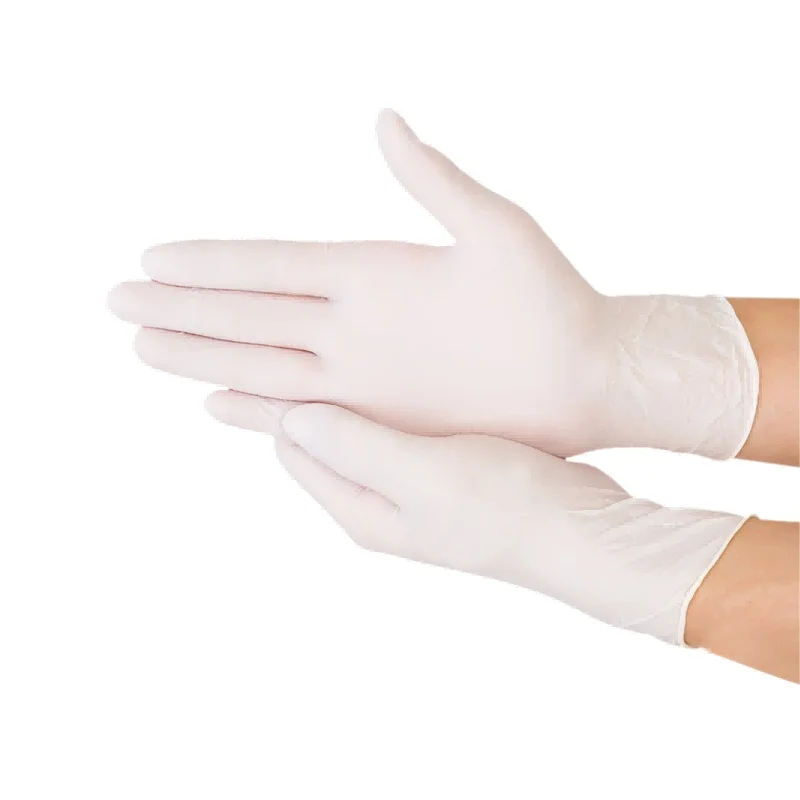
The examination glove is the most-consumed supply in any facility and, at the same time, the one that causes the most buying errors: wrong size, the wrong material for the task, or changing it at the wrong time. The most repeated questions are "what size do I pick?", "latex, nitrile or vinyl?" and "how often are gloves changed?". This guide sums up how to measure the size, the differences between materials, the change rules and the associated hand hygiene, plus what to check when buying gloves wholesale for clinics, hospitals and distributors.
How to choose the correct size
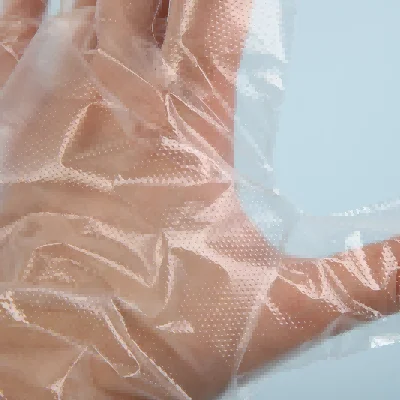
A badly chosen size is a safety issue, not a comfort one: a large glove loses feel and dexterity and snags; a small one tears and cuts off circulation. Size is based on the palm measurement (width across the knuckles, excluding the thumb):
| Size | Approx. palm width |
|---|---|
| XS | 7 cm or less |
| S | 7–8 cm |
| M | 8–9 cm |
| L | 9–10 cm |
| XL | 10–11 cm |
| XXL | over 11 cm |
A well-fitted glove feels like a "second skin": it covers without stretching and lets you oppose the fingers with no spare material at the tips. A facility should keep the full size range in stock; M turns over the most, but S and L run out fast and force improvisation.
Latex vs nitrile vs vinyl: which to use
The three materials cover different tasks; they are not interchangeable:
| Material | Advantage | Limitation | Best for |
|---|---|---|---|
| Latex | Excellent fit and feel, good barrier | Allergy risk (patient and staff) | Procedures needing fine touch, if no allergy |
| Nitrile | Latex-free, high puncture and chemical resistance | Slightly higher cost | Drug/cytotoxic contact, needlestick risk |
| Vinyl | Economical, latex-free | Lower barrier and fit, not for high risk | Short, non-critical, low-fluid tasks |
For a facility with patients or staff with a documented latex allergy, a latex-free line (nitrile or vinyl) must always be available — see the latex-free medical-film gloves. For high-exposure procedures, nitrile is today's standard.
How often to change gloves
Gloves are single-use: they are not washed or reused, and the change is governed by moments, not the clock. Change gloves:
- Between patients, always, no exception.
- Between a dirty and a clean task on the same patient (e.g. after handling a wound and before touching a line).
- If they tear, perforate or are visibly contaminated.
- After a maximum of continuous use (the material degrades; don't use the same pair for hours).
Hand hygiene: the glove does not replace handwashing. Hands must be cleaned before putting on the glove and after removing it — the outer surface of a used glove is contaminated. Removing gloves without touching the skin with the outer surface is part of the technique (see the PPE donning and doffing guide).
Common mistakes
- Using one size "for everyone": reduces dexterity or causes tears. Keep the full range.
- Reusing or washing examination gloves: washing degrades the material and does not sterilise them.
- Not changing between dirty and clean tasks: moves contamination within the same patient.
- Treating the glove as a substitute for handwashing: it is not; clean hands before and after.
- Double-gloving without need: reduces touch; reserve it for high-risk procedures per protocol.
- Vinyl for high fluid risk: its barrier is lower; use nitrile.
How to choose gloves well for your stock
In a clinic or a warehouse, the first thing is to cover the full size range (XS to XL) and always keep a latex-free line (nitrile or vinyl) for allergic users. The figure that really marks barrier quality is the AQL: a low acceptable quality level means fewer pinholes, and the standard for an exam glove is AQL 1.5 to 2.5, so it's worth asking the manufacturer for it. Keep the exam-versus-surgical distinction in mind: the exam glove is non-sterile, sized XS to XXL, for examination and non-invasive procedures, while the surgical glove is sterile, numerically sized (6 to 9) and sold in pairs. Thickness, in mil, is a trade-off, since more thickness means more durability and less feel, so you choose by task.
The trend is the powder-free glove, which cuts reactions and field contamination, with ISO 10993 biocompatibility for skin and mucosa, textured fingertips for wet grip and an adequate cuff length. We offer latex exam gloves and the latex-free line in every size, send samples and do private label if you need it. Let's take it to WhatsApp.
Frequently Asked Questions
How do I know what glove size I need?
Measure the palm width across the knuckles, excluding the thumb: up to 7 cm is XS, 7–8 cm S, 8–9 cm M, 9–10 cm L and over 10 cm XL. A well-chosen glove covers like a second skin, without stretching and with no spare material at the fingertips.
Which is better, latex, nitrile or vinyl?
Latex gives the best fit and feel but can cause allergy. Nitrile is latex-free, highly resistant to puncture and chemicals, ideal for drugs and high risk. Vinyl is economical and latex-free, but with a lower barrier and fit, only for short low-risk tasks.
How often are gloves changed?
They are single-use: changed always between patients, between a dirty and a clean task on the same patient, and immediately if they tear, perforate or are contaminated. They are not washed or reused, and you must clean your hands before putting them on and after removing them.
Does the glove replace handwashing?
No. The glove is an additional barrier, not a substitute for hand hygiene. You must wash or sanitise your hands before putting on the glove and after removing it, because the outer surface of a used glove is contaminated.