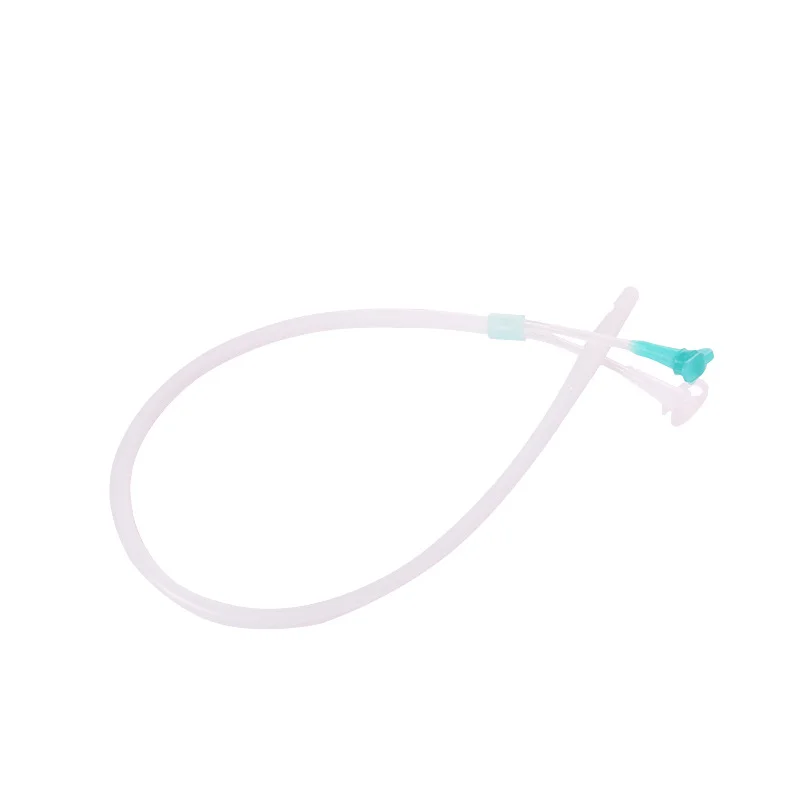
The uterine contrast catheter — also called the hysterosalpingography catheter or HSG catheter — is the device that instils contrast medium into the uterine cavity to study the patency of the fallopian tubes. It is a niche but essential consumable in any radiology, gynaecology or assisted-reproduction unit performing infertility work-ups. This guide explains what hysterosalpingography is, the catheter's role, how balloon and non-balloon models differ, how to choose the gauge, and what to check before buying wholesale. Written for radiology, gynaecology, fertility (IVF) clinics and hospital procurement.
What is a uterine contrast catheter?
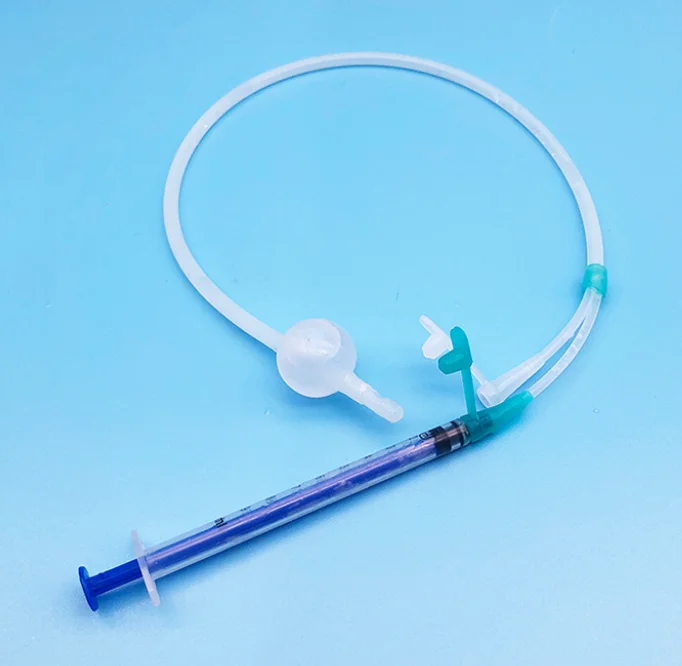
The uterine contrast catheter is a sterile single-use catheter introduced through the cervix to inject an iodinated contrast medium into the uterine cavity. Its function is to let the contrast, under radiological (fluoroscopy) or ultrasound control, fill the uterus and fallopian tubes so their patency or obstruction can be assessed.
Its usual components are:
- Catheter body: flexible medical silicone, typically size 12 French, to pass atraumatically through the cervical canal.
- Cervical fixation balloon: a balloon inflated once the catheter is placed, sealing the cervix and preventing contrast reflux into the vagina during injection.
- Luer connector: at the external end, to attach the syringe with contrast medium.
- Atraumatic tapered tip: eases entry and reduces discomfort.
It is a single-use, single-patient device: supplied sterile (EO) in individual packaging and discarded after the procedure.
What is hysterosalpingography and when is it indicated?
Hysterosalpingography (HSG) is a radiological study that evaluates the inside of the uterus and the patency of the fallopian tubes. It is done by injecting contrast through the uterine catheter and taking images as the contrast advances.
It is one of the first tests in the work-up of female infertility, because it answers two key questions:
- Are the tubes patent? If the contrast passes freely and spills into the abdominal cavity, the tubes are open. If it stops, there is tubal obstruction — a frequent cause of infertility.
- Is the uterine cavity normal? It detects polyps, submucous fibroids, synechiae (adhesions) or uterine malformations.
Usual indications: work-up of infertility and recurrent miscarriage; evaluation of tubal patency before assisted reproduction; follow-up after tubal surgery or device placement/removal. The procedure is outpatient, takes a few minutes and is done in the first phase of the cycle, once pregnancy and infection are ruled out.
Balloon vs non-balloon, and how to choose the gauge
Not all HSG catheters are equal. The main difference is the cervical sealing system:
Balloon (cervical fixation) catheter: an inflatable balloon seals the cervical canal from inside. It is the most-used system today because it needs no extra instruments (forceps, tenaculum), is more comfortable for the patient and produces less contrast reflux. The standard option for most services.
Rigid / non-balloon cannula (Leech-Wilkinson type or similar): seals by pressure at the external cervical os and usually needs fixation with forceps. It is older and still used in some centres, but less comfortable.
| Criterion | Balloon catheter | Non-balloon cannula |
|---|---|---|
| Seal | Intracervical balloon | External pressure + forceps |
| Patient comfort | Higher | Lower |
| Contrast reflux | Less | More |
| Extra instruments | Usually none | Needs forceps/tenaculum |
| Current use | Standard | Progressively obsolete |
On gauge: size 12 French is the general-use measure for HSG and covers most cases. When buying, also confirm: flexible medical silicone material; standard Luer connector for any contrast syringe; balloon capacity and uniform inflation; and an atraumatic tip to reduce discomfort on introduction.
How it is used in the procedure
The set-up and basic sequence are:
- With the patient positioned and the speculum placed, the cervix is cleaned.
- The catheter is introduced through the cervical canal into the uterine cavity.
- The fixation balloon is inflated to seal the cervix and prevent reflux.
- The syringe with contrast medium is connected to the Luer connector.
- Contrast is injected slowly under fluoroscopic or ultrasound control, observing uterine filling and passage through the tubes.
- Images are taken; at the end the balloon is deflated and the catheter removed.
The complete HSG set usually includes, besides the catheter: a disposable speculum, the iodinated contrast medium, the syringe, and sterile drapes and gloves. For the contrast injection components and Luer connectors, see our needle-free connector and contrast system guide. For radiology and gynaecology services, sourcing these consumables in a coordinated way simplifies inventory.
What to check before buying wholesale
For a radiology or gynaecology service restocking, or a distributor supplying fertility clinics, the key points before an order:
- Material and flexibility: medical silicone, which reduces discomfort and the risk of cervical injury.
- Reliable balloon: that inflates uniformly and holds the seal throughout the study.
- Correct gauge: size 12 French as the general reference; confirm stable stock availability.
- Standard Luer connector: compatible with any contrast syringe.
- Sterilisation and packaging: sterile by EO, individual pack with sterility indicator.
- Regulatory documentation: ISO 13485, CE marking and datasheet, essential for import and tenders.
- MOQ and private label (OEM): accessible minimum order and private-label packaging option for distributors.
Edaochi Medical manufactures the size 12 French uterine contrast catheter in medical silicone, with a cervical fixation balloon, atraumatic tip and Luer connector, sterile in individual packaging. Full CE and ISO 13485 documentation, low minimum order, samples for evaluation and OEM option. Quote on WhatsApp in under 24 hours.
Frequently Asked Questions
What is a uterine contrast catheter?
It is a sterile single-use catheter introduced through the cervix to instil contrast medium into the uterine cavity during a hysterosalpingography (HSG). It usually includes a cervical fixation balloon, a Luer connector for the contrast syringe and an atraumatic tip, and is made of size 12 French medical silicone.
What is hysterosalpingography for?
HSG evaluates the patency of the fallopian tubes and the normality of the uterine cavity. It is one of the first tests in the infertility work-up: it shows whether the tubes are open or obstructed and detects polyps, submucous fibroids, adhesions or uterine malformations.
What is the difference between the balloon catheter and the non-balloon cannula?
The balloon catheter seals the cervix from inside by inflating a balloon, is more comfortable and produces less contrast reflux, so it is the current standard. The non-balloon cannula seals by external pressure and usually needs forceps or a tenaculum; it is older and progressively obsolete.
What catheter gauge is used in HSG?
Size 12 French is the general-use measure for hysterosalpingography and covers most cases. What matters is that the material is flexible medical silicone, the balloon inflates uniformly and the Luer connector is standard for any contrast syringe.
Is the uterine contrast catheter reusable?
No. It is a single-use, single-patient device, supplied sterile (EO) in individual packaging. It is discarded after the procedure and must not be re-sterilised.
Do you offer a low minimum order and private label for distributors?
Yes. Edaochi Medical works with an accessible minimum order, with samples for evaluation and a private-label (OEM) packaging option, with CE and ISO 13485 documentation for export. Price per box and MOQ are delivered on WhatsApp in under 24 hours.