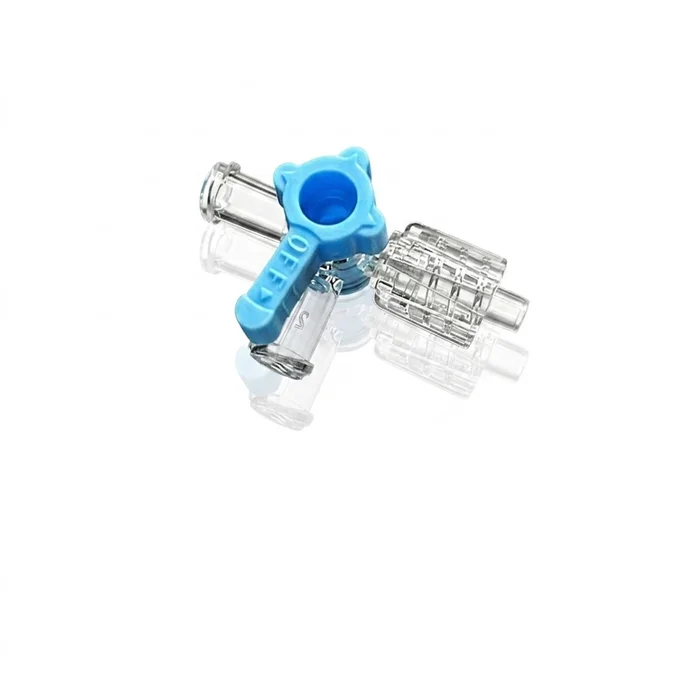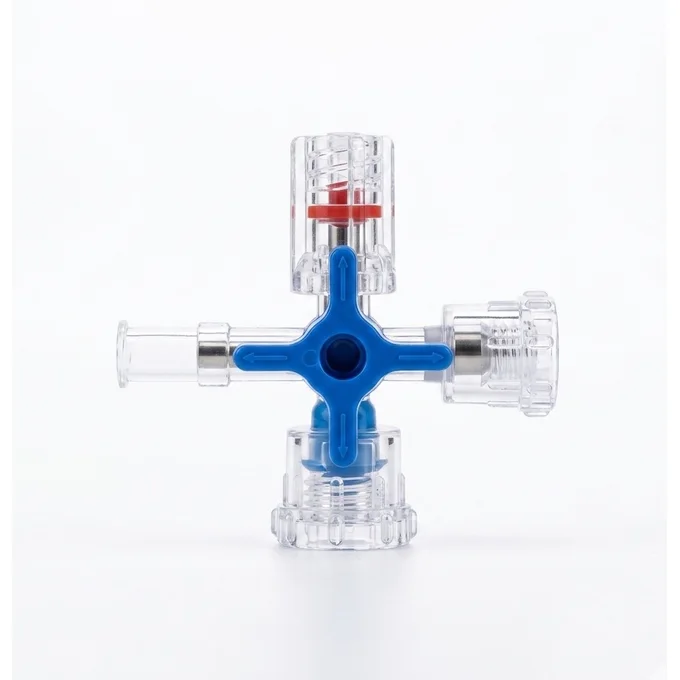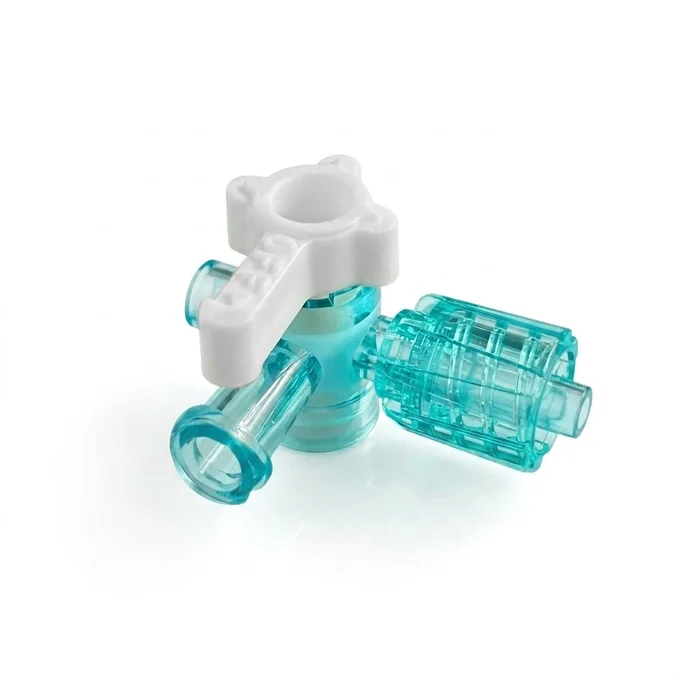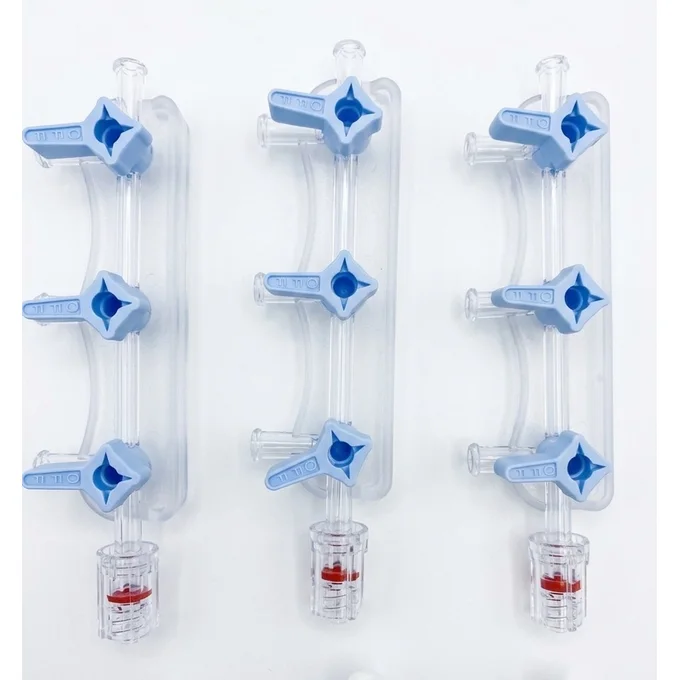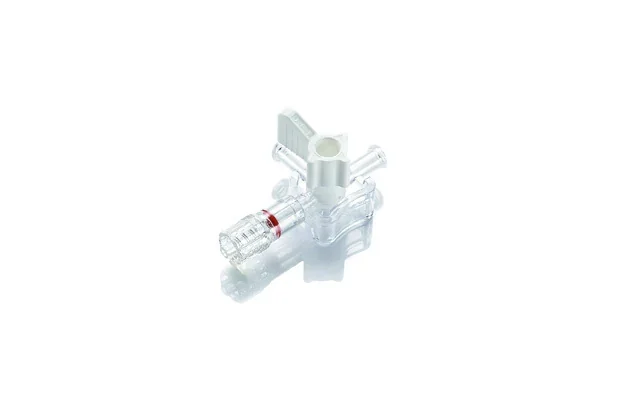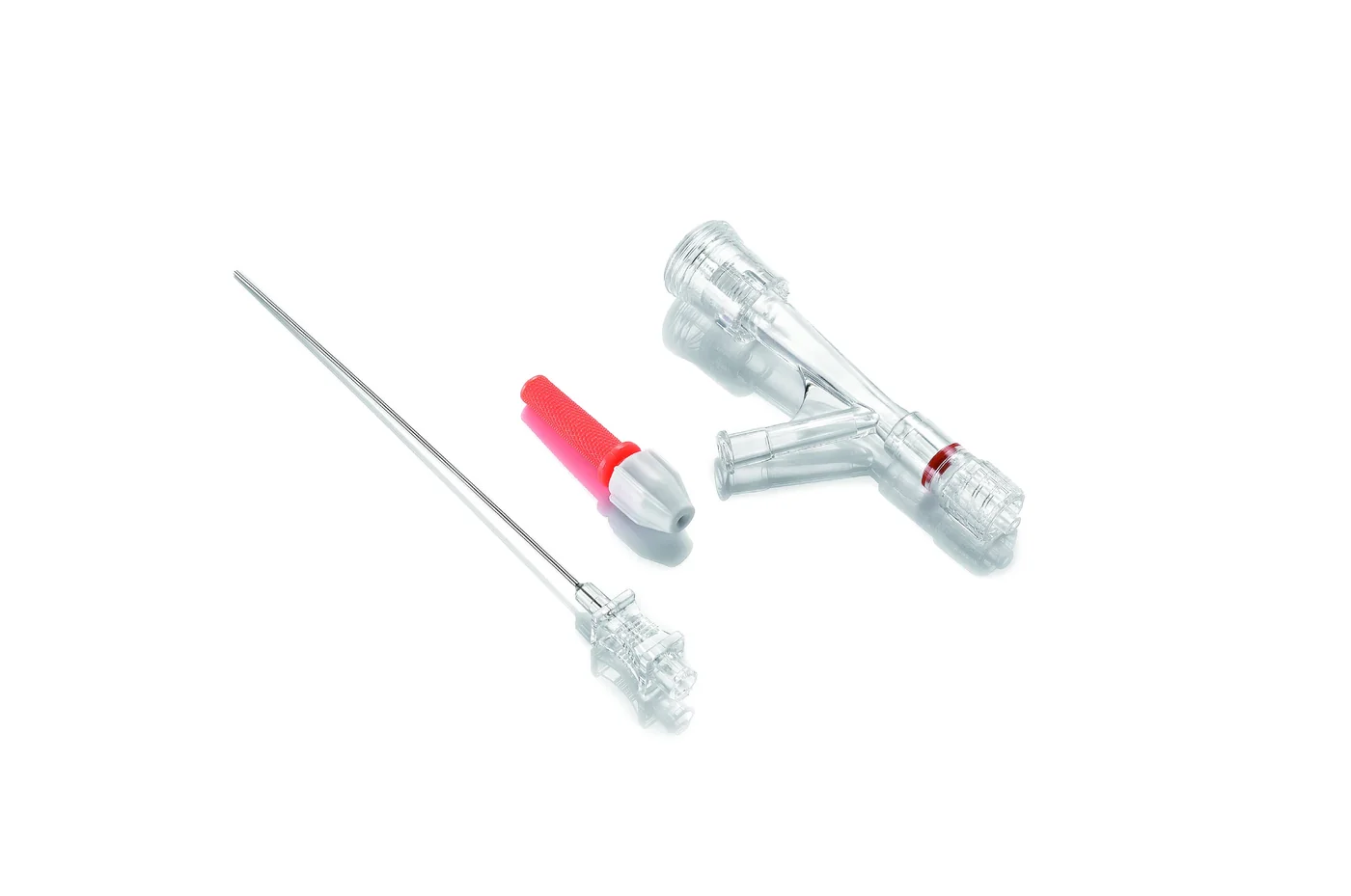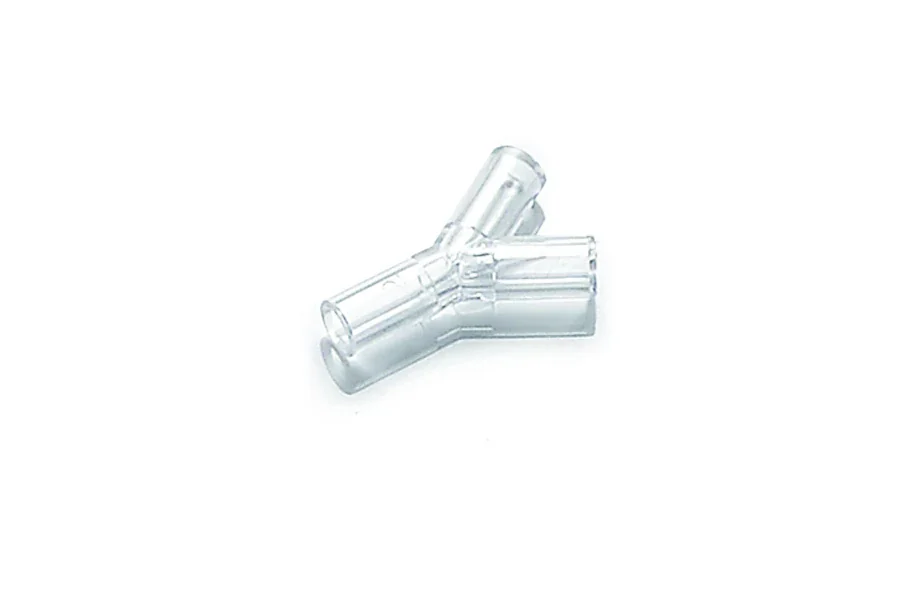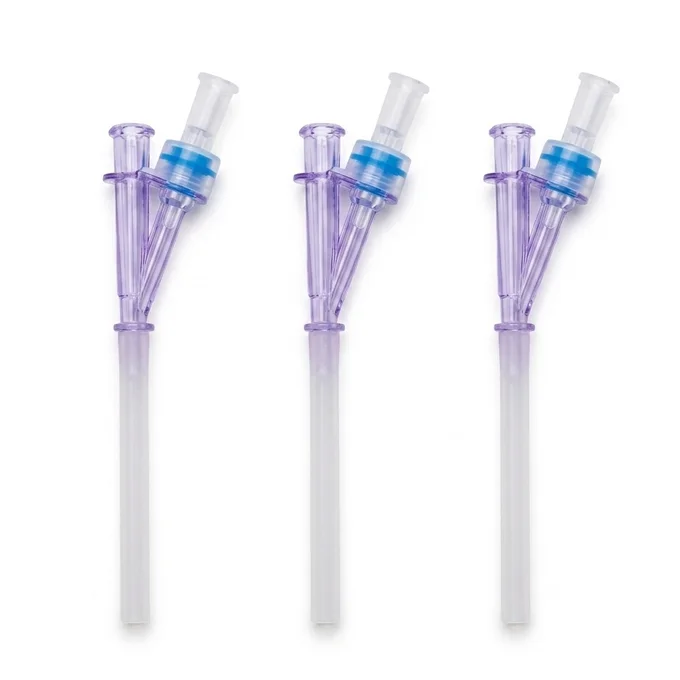
High-Pressure Y-Connector with Check Valve
Y-connector with a one-way check valve for contrast-media high-pressure injection in angiography. Also available as a PTCA rotating hemostatic valve (RHV) version. OEM, EO sterile to order, MOQ from 2,000.
Overview
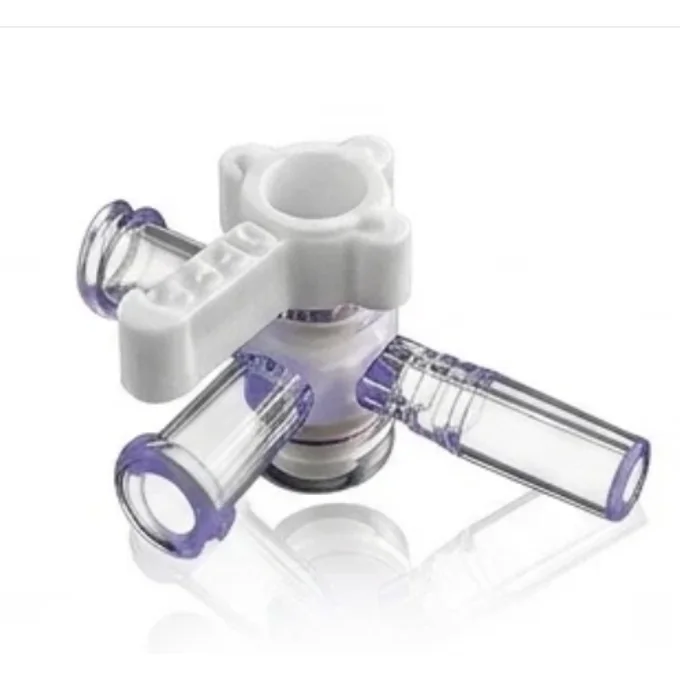
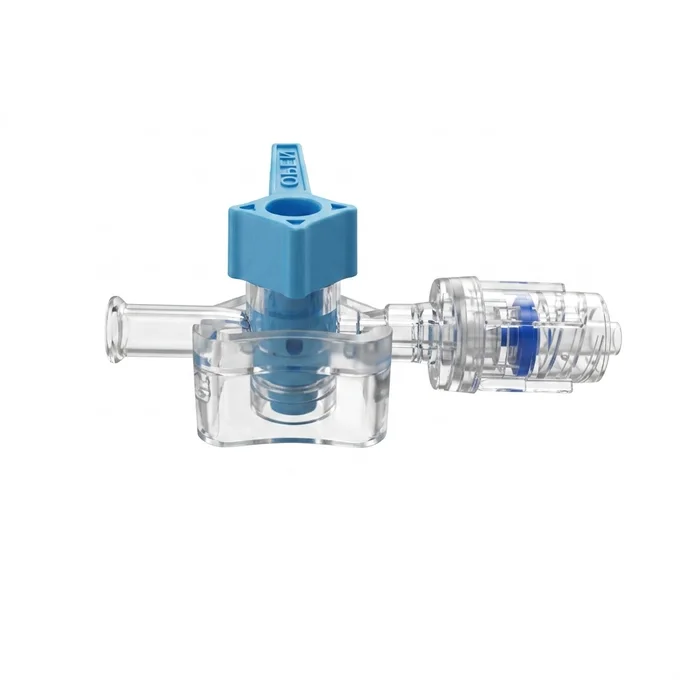
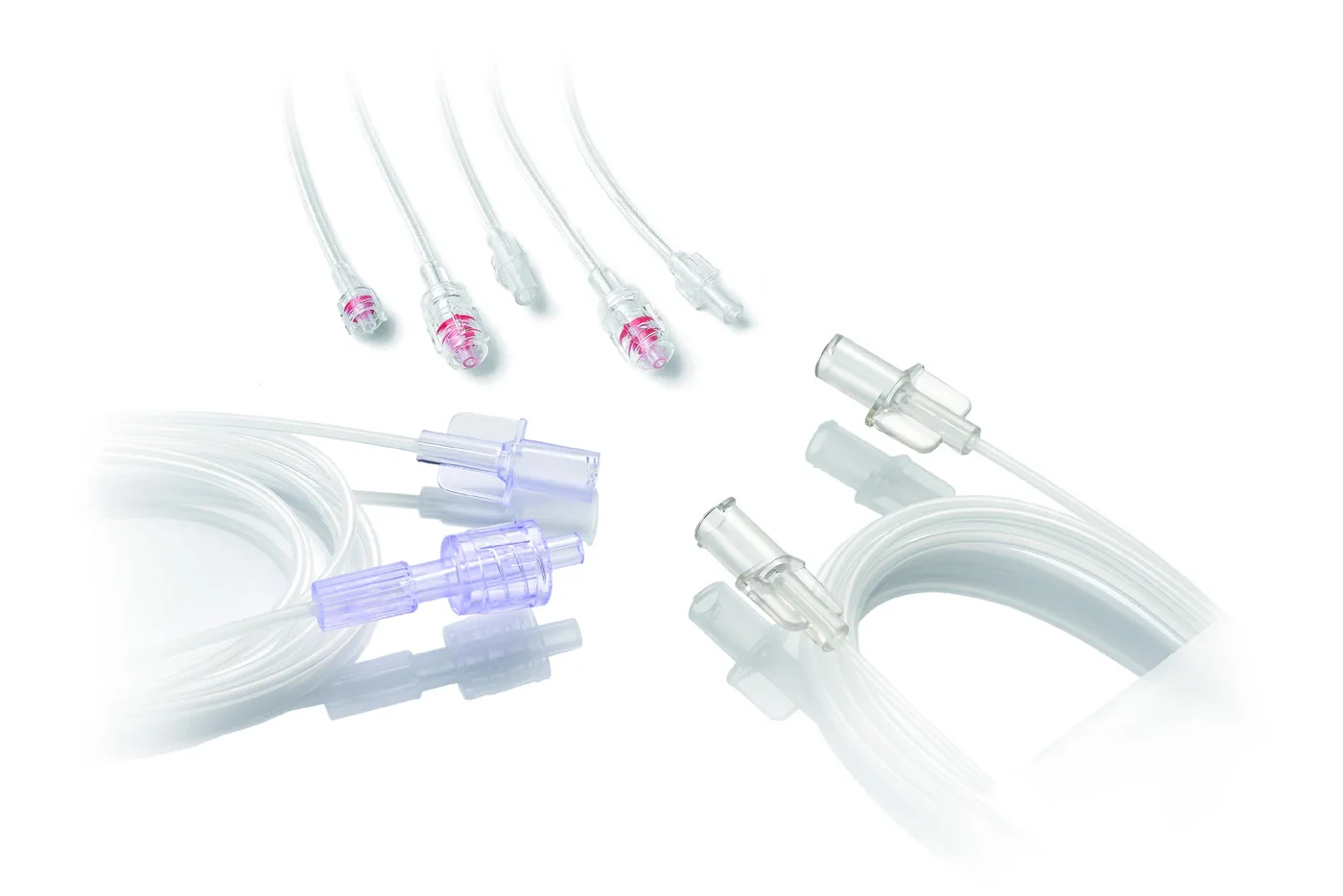
Our interventional Y-connectors come in two configurations. The high-pressure check-valve Y has a one-way (anti-reflux) valve and is built for contrast-media power injection in angiography, withstanding high injection pressure without leaking. The PTCA version is a rotating hemostatic valve (RHV) Y-connector used to introduce guidewires and balloons while controlling back-bleeding. Clear body, Luer-compatible. Supplied to distributors as an OEM component — tell us which configuration, guidewire size and pressure rating you need.
Specifications
Drawings, material certificates and sterilisation validation supplied on request for your file.
Typical uses
- Contrast-media high-pressure injection in angiography
- Guidewire and balloon introduction in PTCA (RHV version)
- Interventional cardiology and radiology procedures
- OEM component for interventional-device distributors
Y-connector versions we mould
| Version | Built for | Key feature | To specify |
|---|---|---|---|
| Check-valve Y | Contrast power injection | One-way anti-reflux valve | Peak injection pressure |
| PTCA RHV | Guidewire / balloon introduction | Rotating hemostatic valve | Guidewire size, single/double, sidearm |
Two Y-connectors for two steps of the procedure
"Y-connector" covers two parts that do very different jobs. The check-valve Y manages contrast under injection pressure; the rotating hemostatic valve (RHV) manages a guidewire or balloon while keeping blood from escaping. We mould both, so an interventional distributor can carry the pair from one source.
The check-valve Y for contrast injection
This version carries a one-way (anti-reflux) valve and is built for contrast-media power injection. It holds the pressure an injector produces without leaking and stops contrast or blood flowing back the wrong way. The clear body lets staff see the line.
The PTCA rotating hemostatic valve (RHV)
The RHV version is used to introduce guidewires and balloons during PTCA. A rotating cap seals around the wire to control back-bleeding while still letting the device advance. Guidewire compatibility, a single or double valve and a sidearm are all build choices — tell us how your customers work.
What to confirm before you order
- Configuration: check-valve Y or PTCA RHV
- For the RHV: guidewire size, single or double valve, sidearm or not
- Peak pressure for injection use
- Sterile or non-sterile, and your packaging
Questions distributors ask
What is the difference between the check-valve Y and the PTCA RHV?
The check-valve Y has a one-way valve for contrast power injection — it holds pressure and stops backflow. The PTCA RHV has a rotating hemostatic valve that seals around a guidewire or balloon to control back-bleeding during the procedure. They are different parts; tell us which you need (or both).
What guidewire size does the RHV fit?
We build the RHV to your specified guidewire size — 0.035" is the most common, but tell us your range. Single or double valve and a sidearm are also build choices.
Is the check-valve Y rated for power injection?
Yes — it is built to hold contrast injection pressure without leaking. Confirm the injector's peak pressure with us and we match the build.
Can you supply sterile and under our brand?
Yes. Both versions ship EO-sterile or non-sterile to your requirement, individually pouch-packed, and packed under your own brand and packaging.