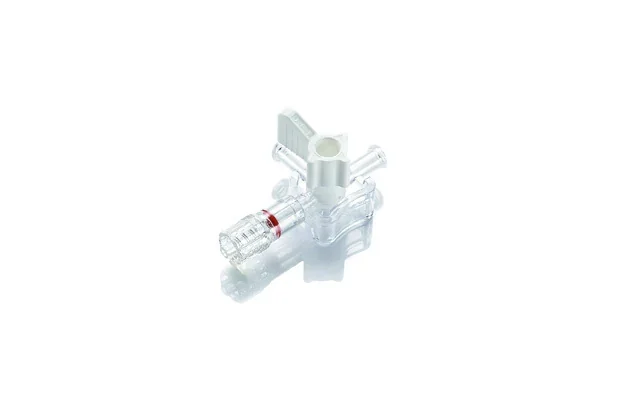
Check Valves & T-Valves
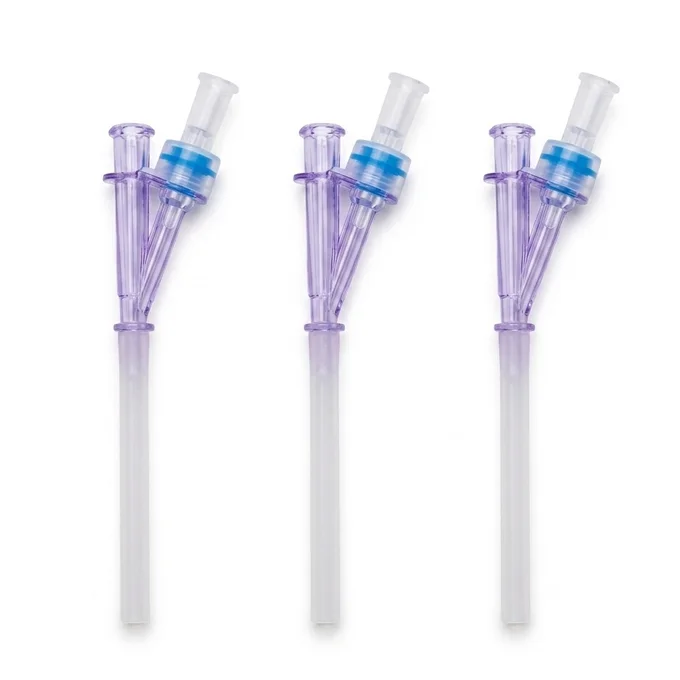
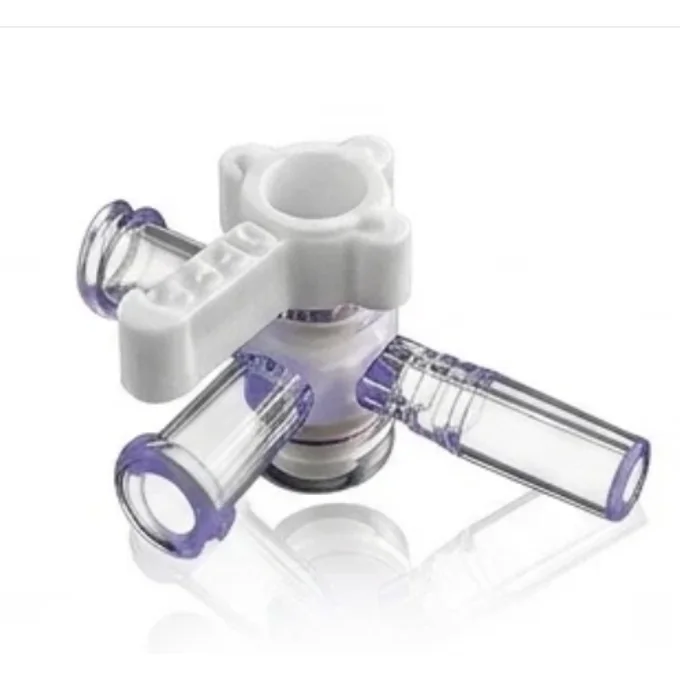
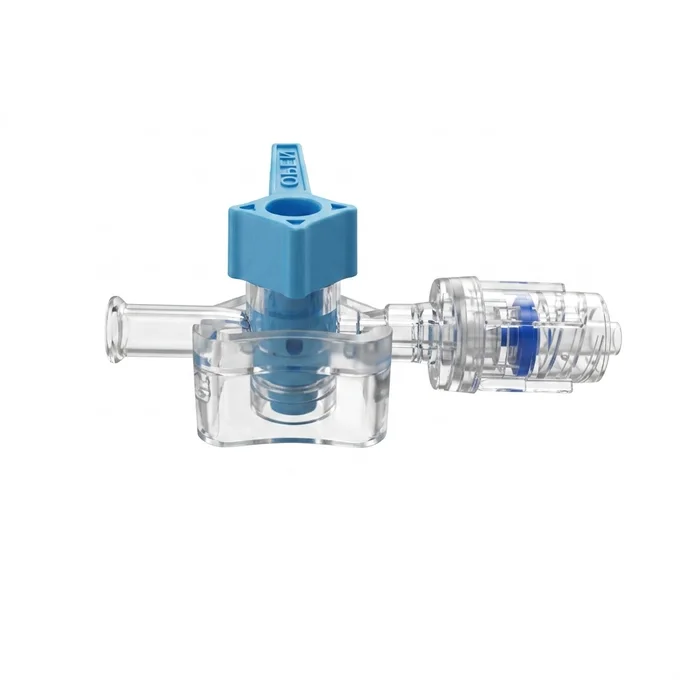
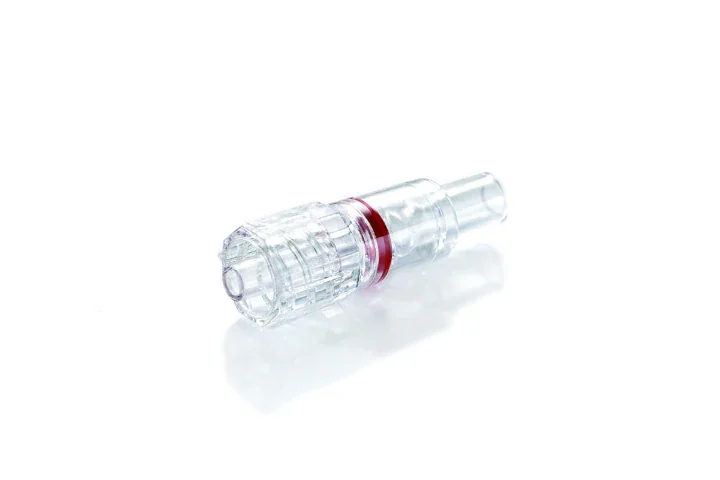
One-way check valves that stop fluid running back up a line, in syringe-side and manifold-side bodies, plus T-bodied valves for branch points. Cracking pressure to your specification.
Overview
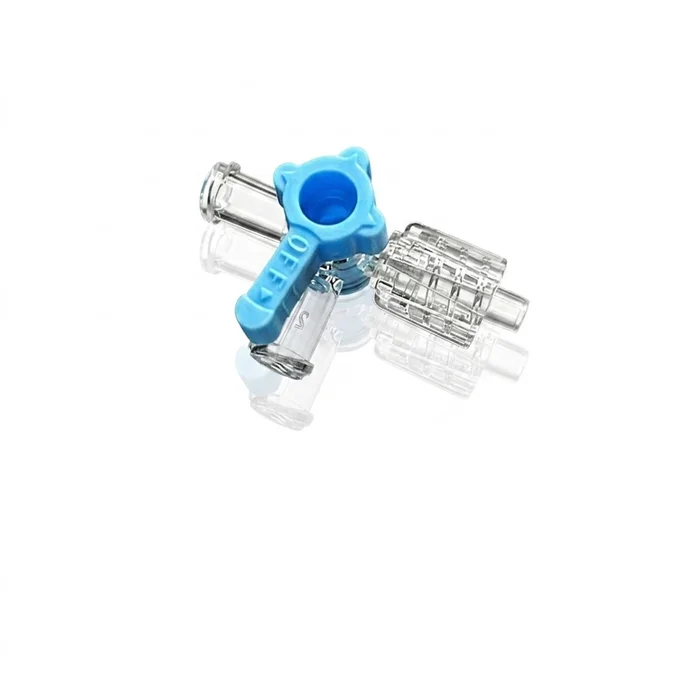
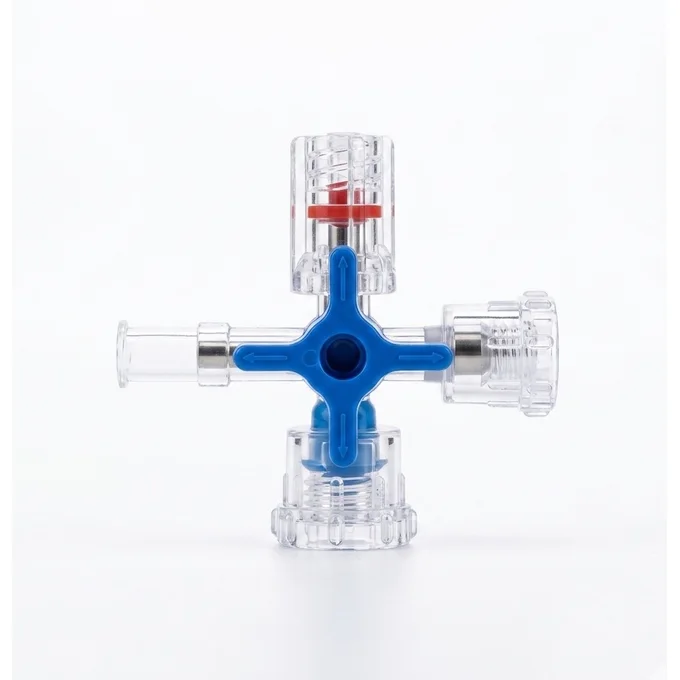
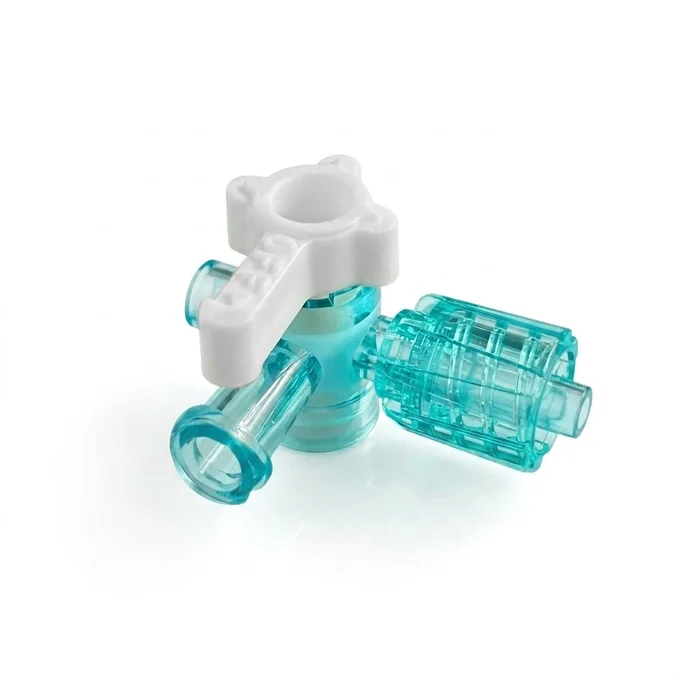
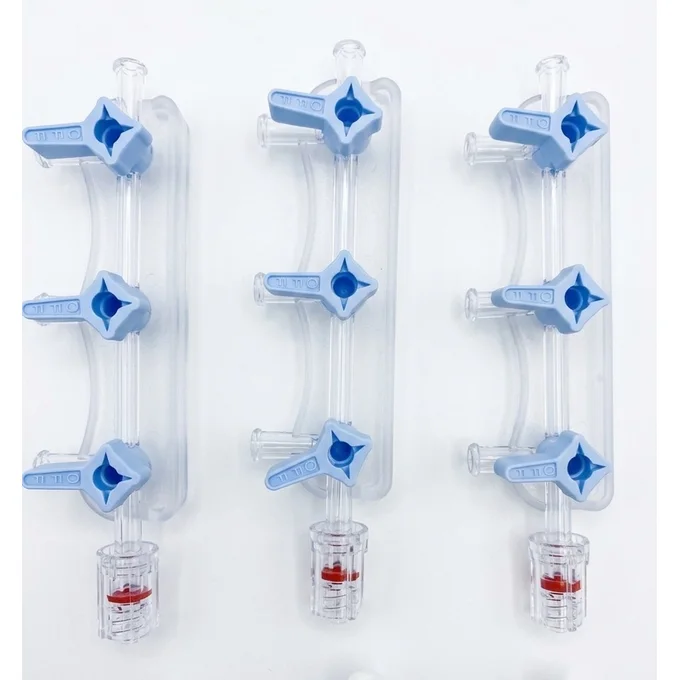
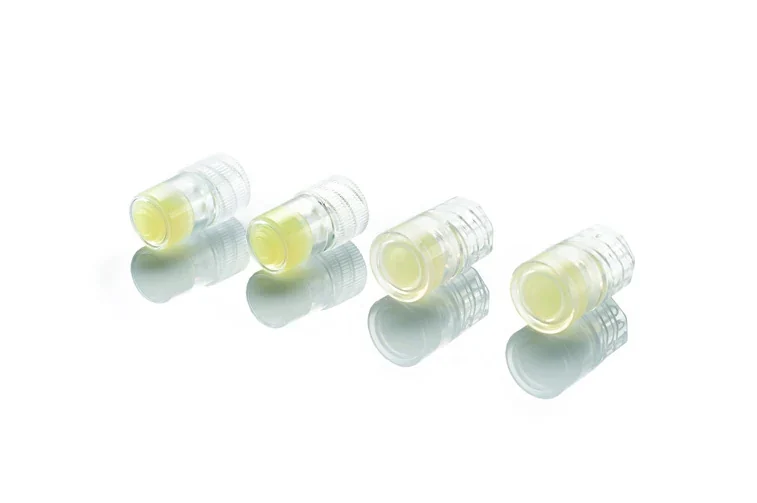
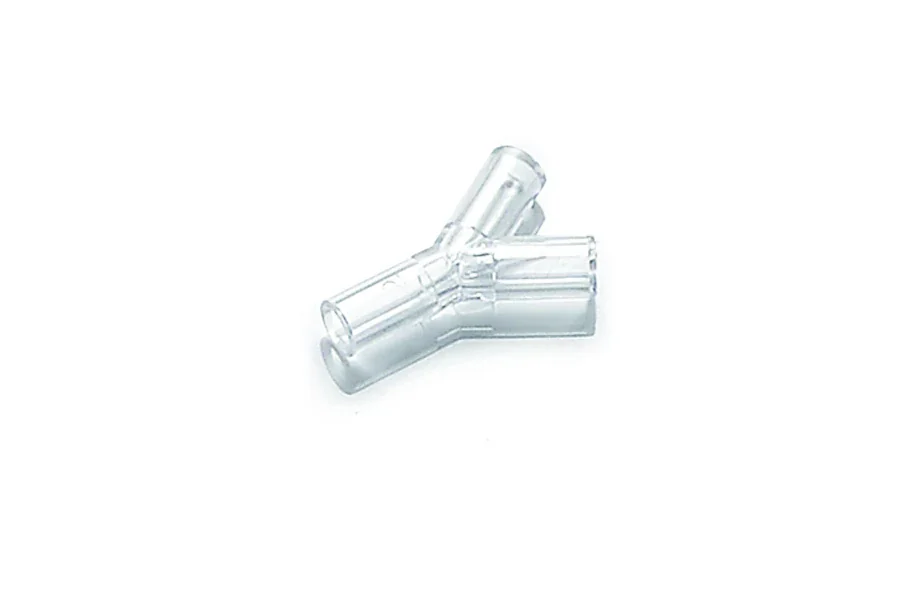
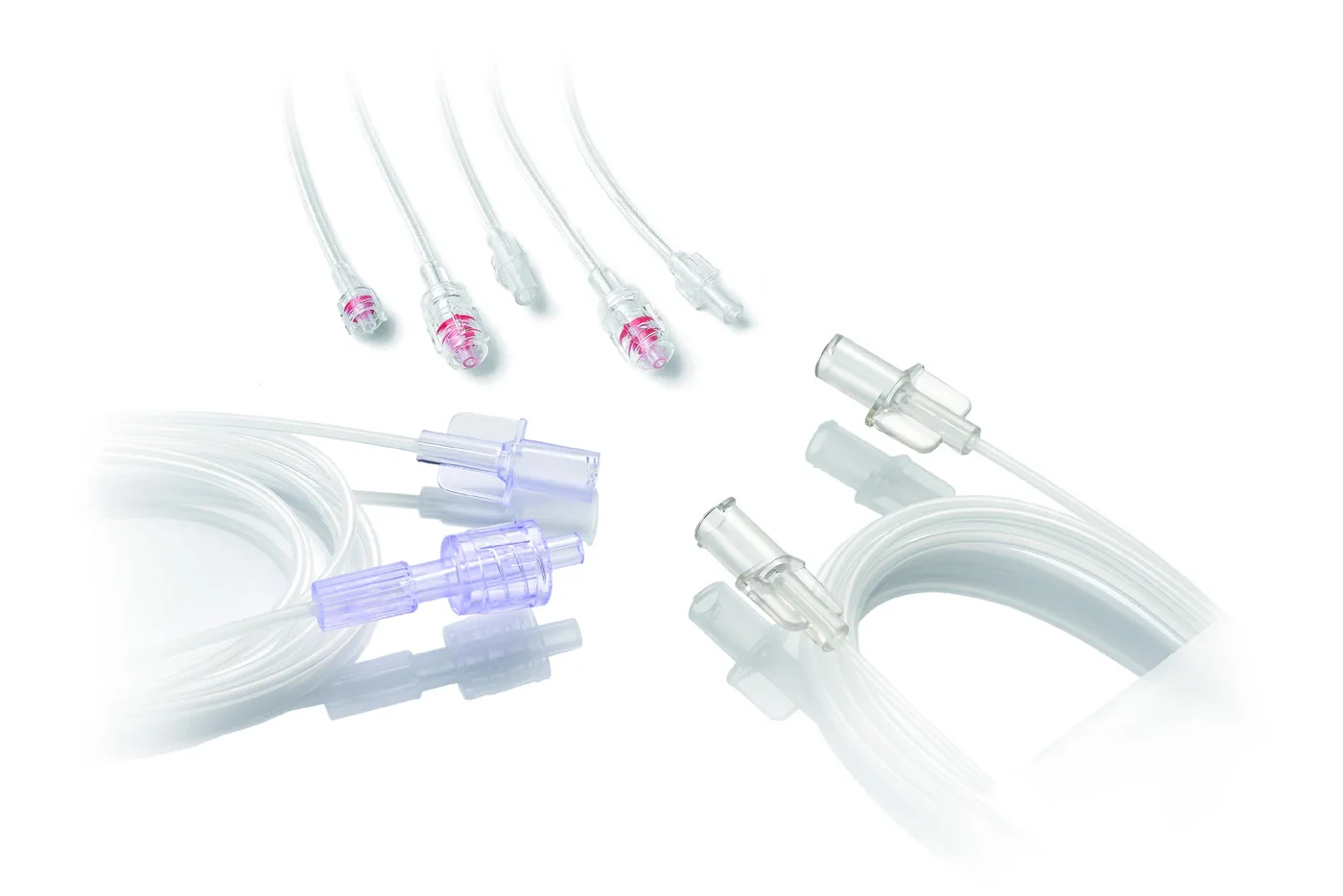
A check valve lets fluid go one way and closes against the other. In an infusion set that stops a drug running back up a shared line when a second pump is at higher pressure; in a contrast set it stops contrast pushing back into the saline side. We mould them in a syringe-side body, a manifold-side body and a T-body for branch points, with male and female Luer ends. Cracking pressure — the pressure at which the valve opens — is a build choice, not a fixed number: too low and the valve chatters, too high and a gravity line will not open it. Tell us the application and we set it.
Specifications
Drawings, material certificates and sterilisation validation supplied on request for your file.
Typical uses
- Preventing retrograde flow on shared infusion lines
- Separating contrast and saline sides in an injection set
- Branch points in multi-line assemblies (T-body)
- OEM component for infusion and contrast set assemblers
Questions distributors ask
What cracking pressure should I ask for?
It follows the application. A gravity line needs a low cracking pressure or it will not open at all under a bag's head of pressure. A pump or power-injection line wants a higher one so the valve does not chatter. Tell us which and we set it — this is the single most important line on the order.
Can the valve run in either direction?
No, and that is the point. A check valve is directional and is moulded with the flow arrow on the body. State which end faces the patient when you order so we orient it correctly in the assembly.
What is the T-valve for?
It is a check valve with a third port, used where a line branches and you want backflow protection at the junction rather than a separate valve and tee. It saves a connection, and every connection removed is one less leak path.