Luer Lock Connectors — Male & Female
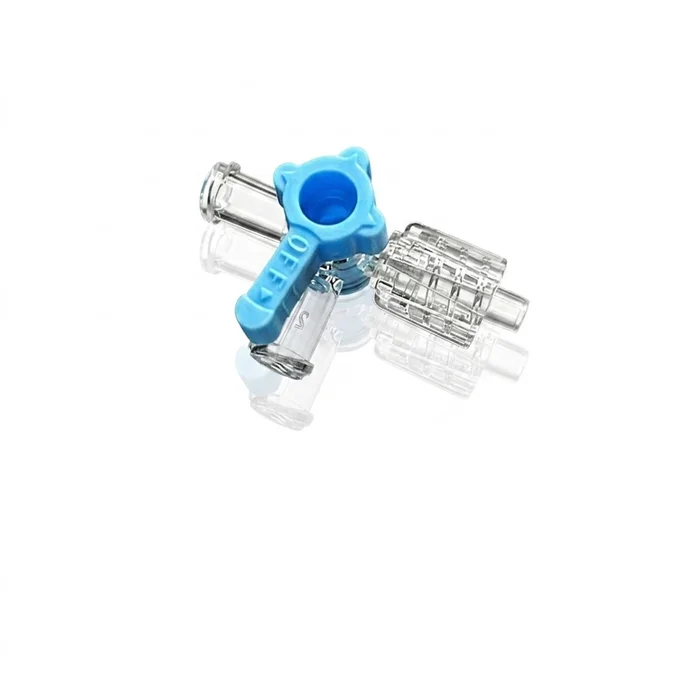
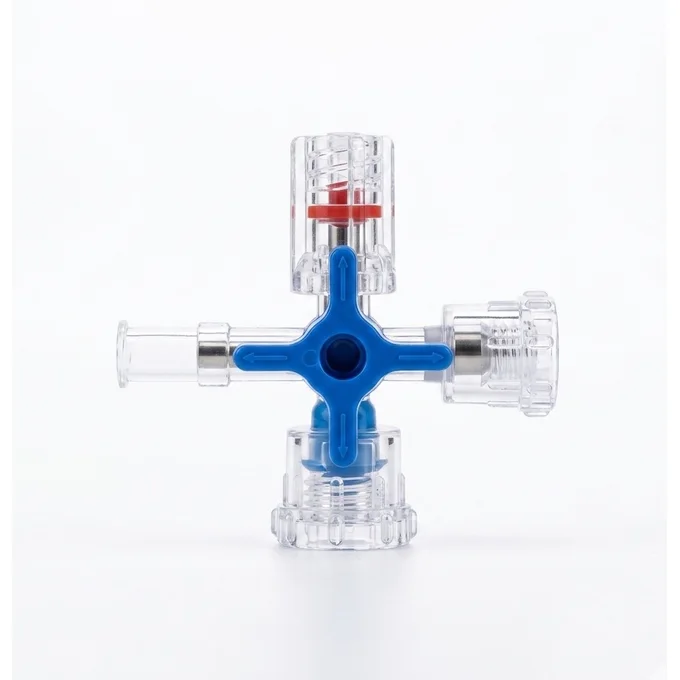
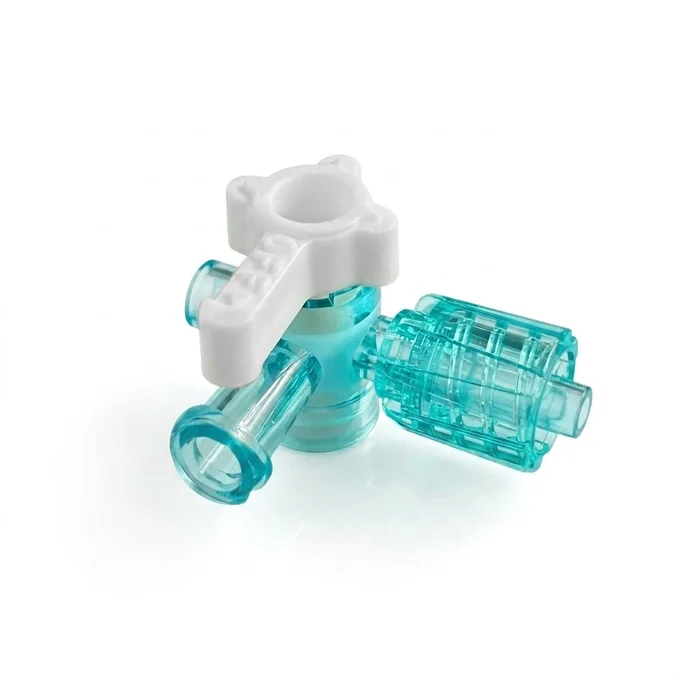
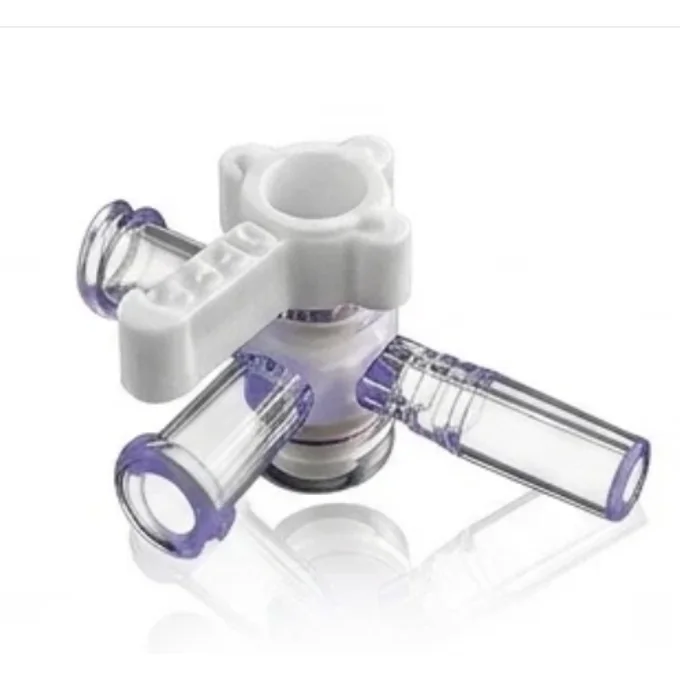
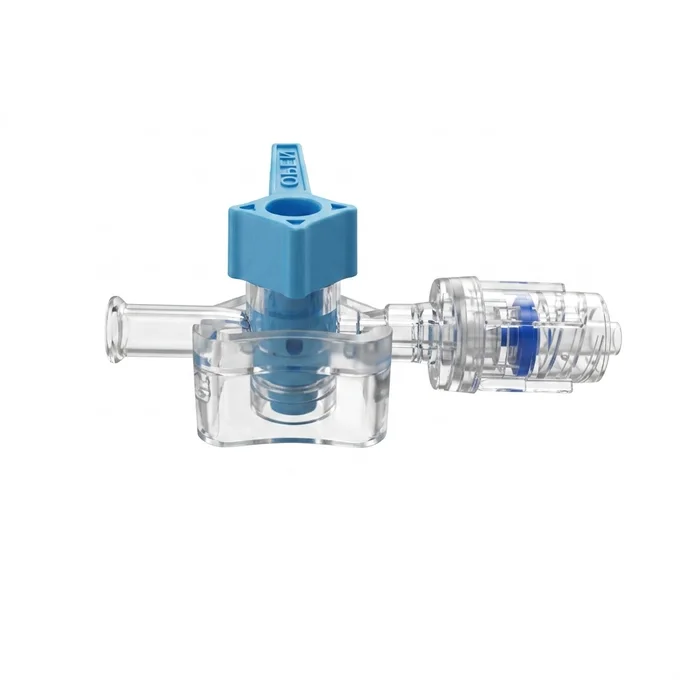
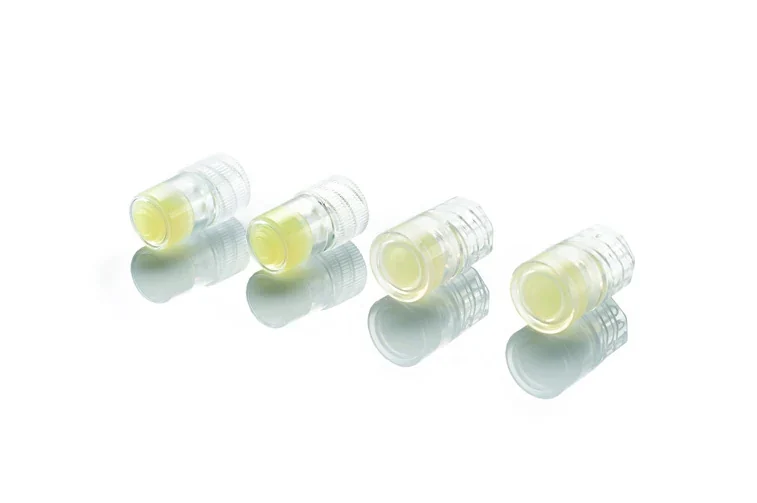
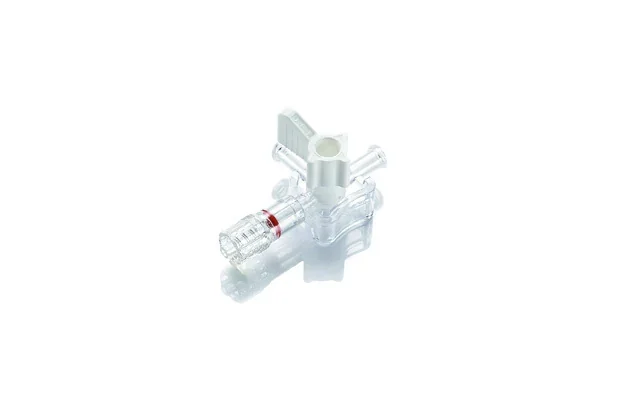
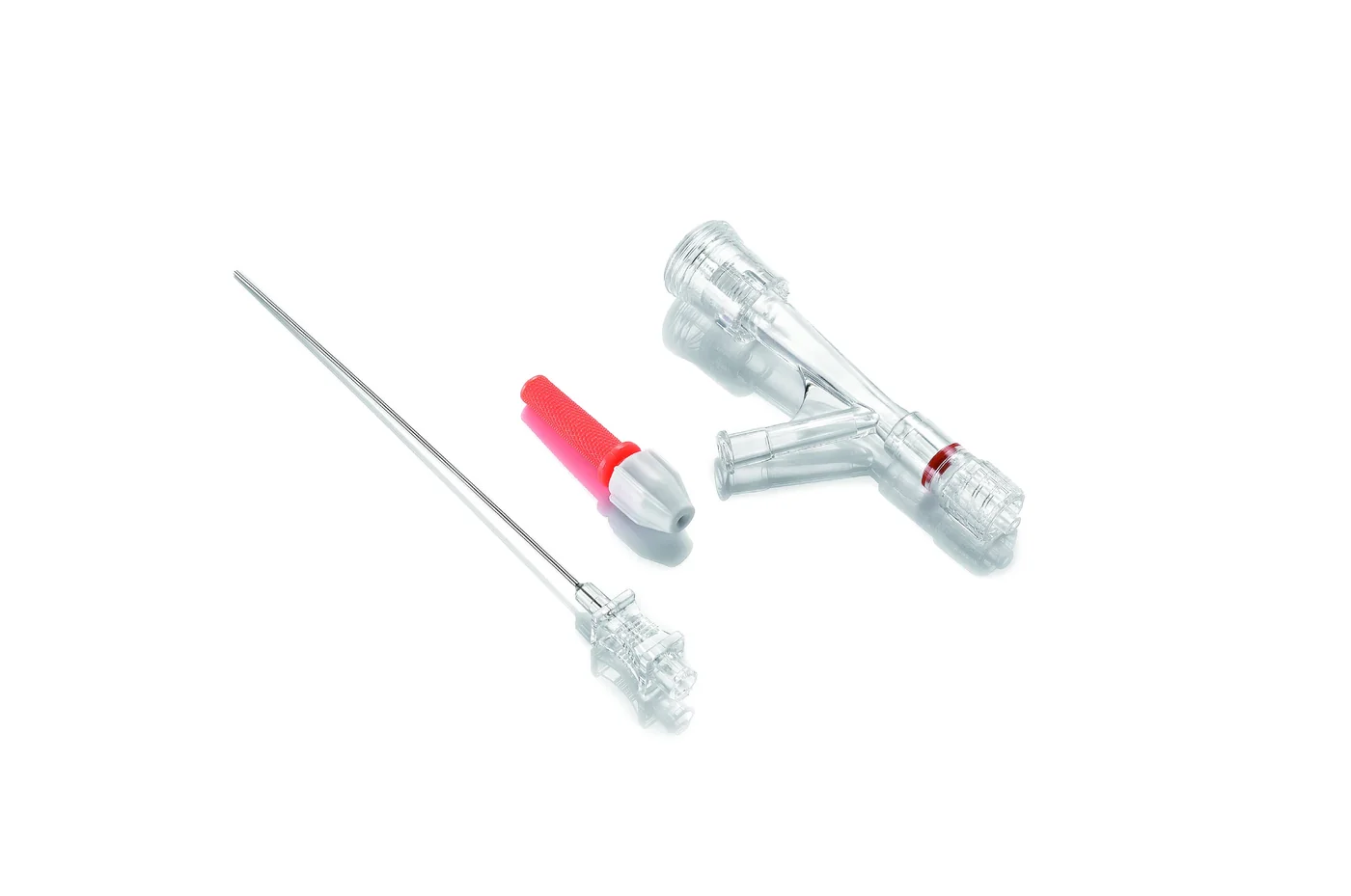
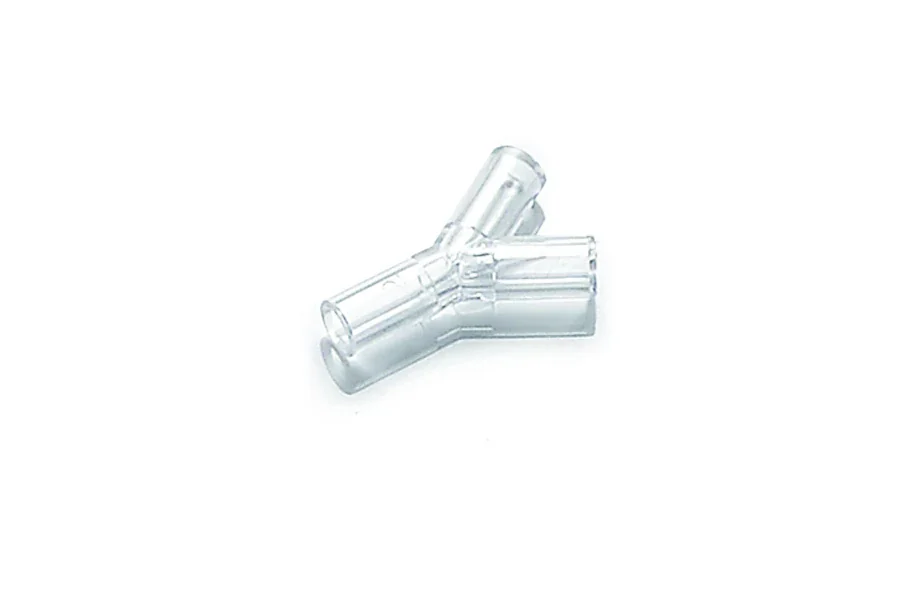
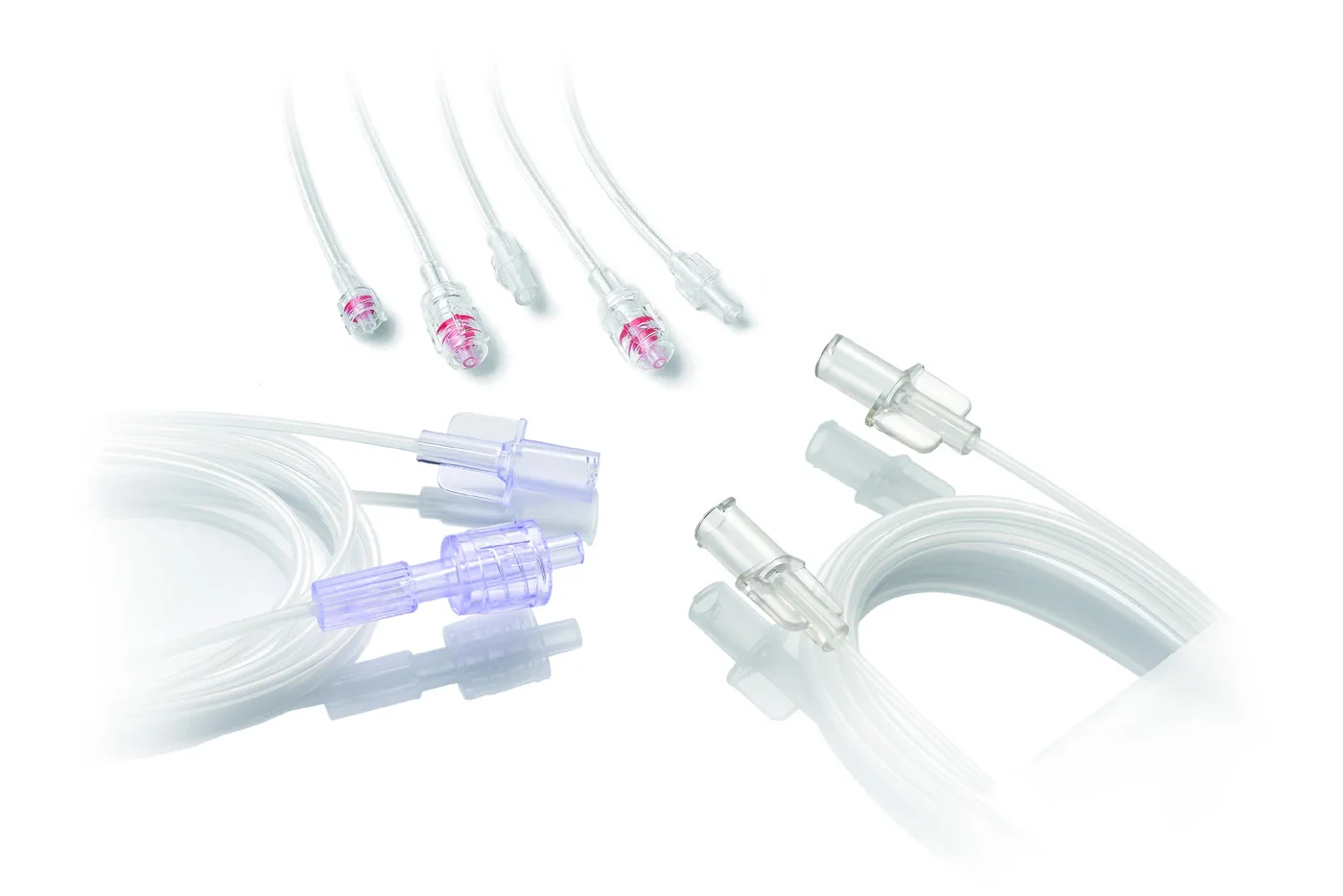
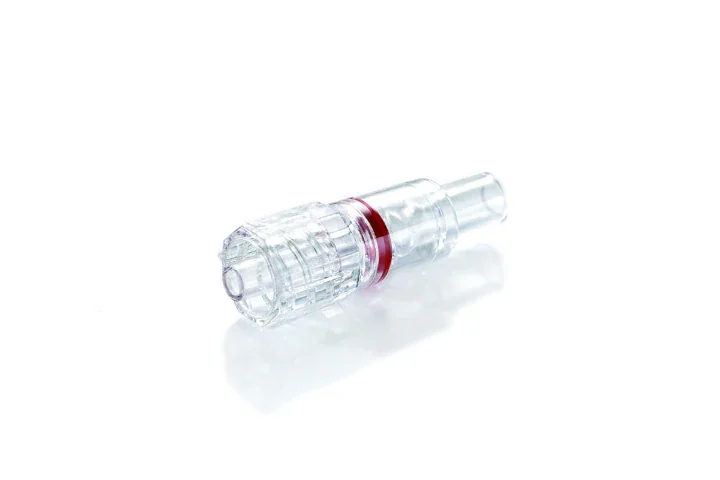
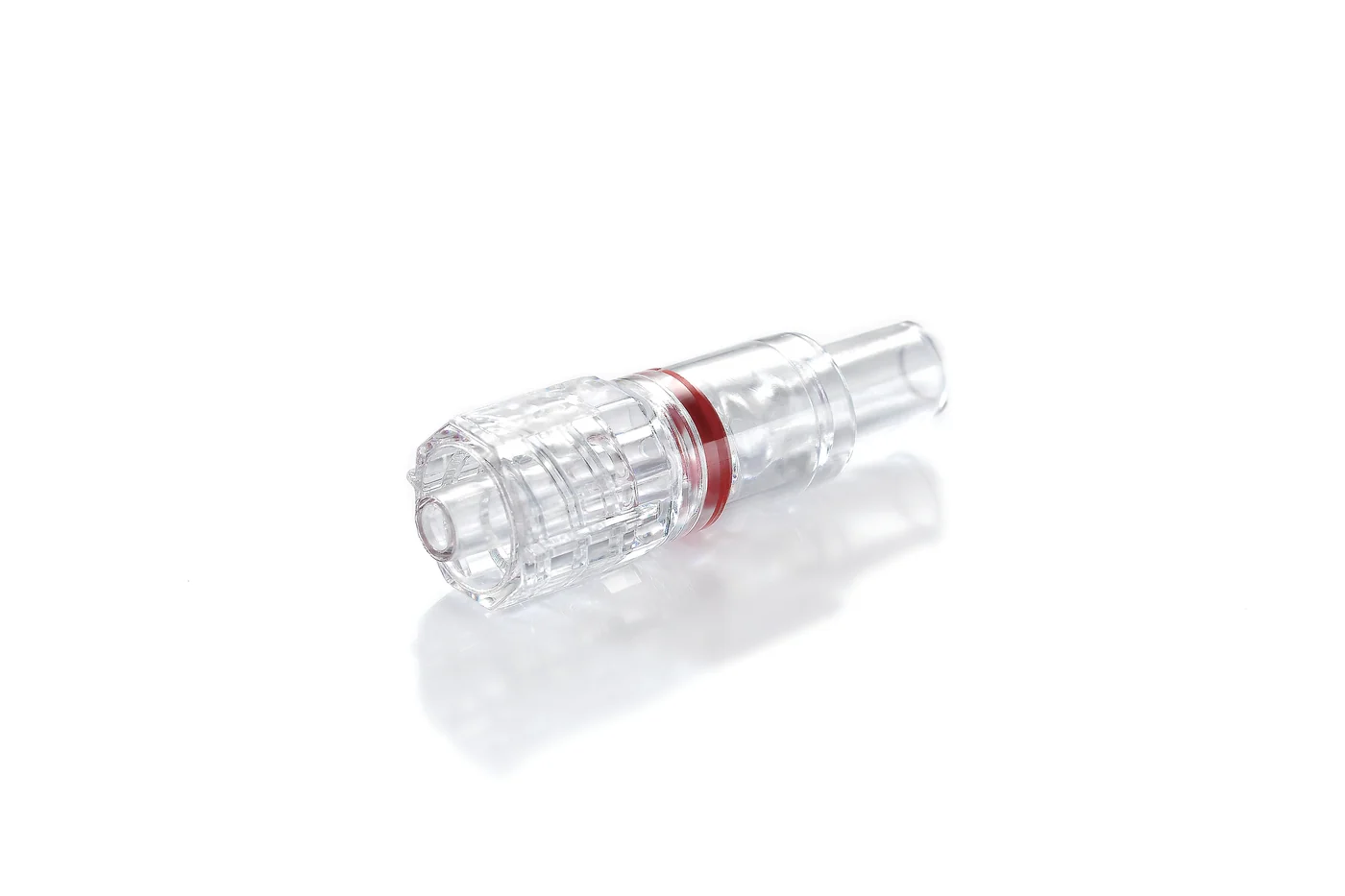
Male and female Luer lock connectors in long, short and flat-face bodies, ported and non-ported, eight standard colours. The joining part in almost every IV, contrast and drainage set. OEM, MOQ from 5,000.
Overview
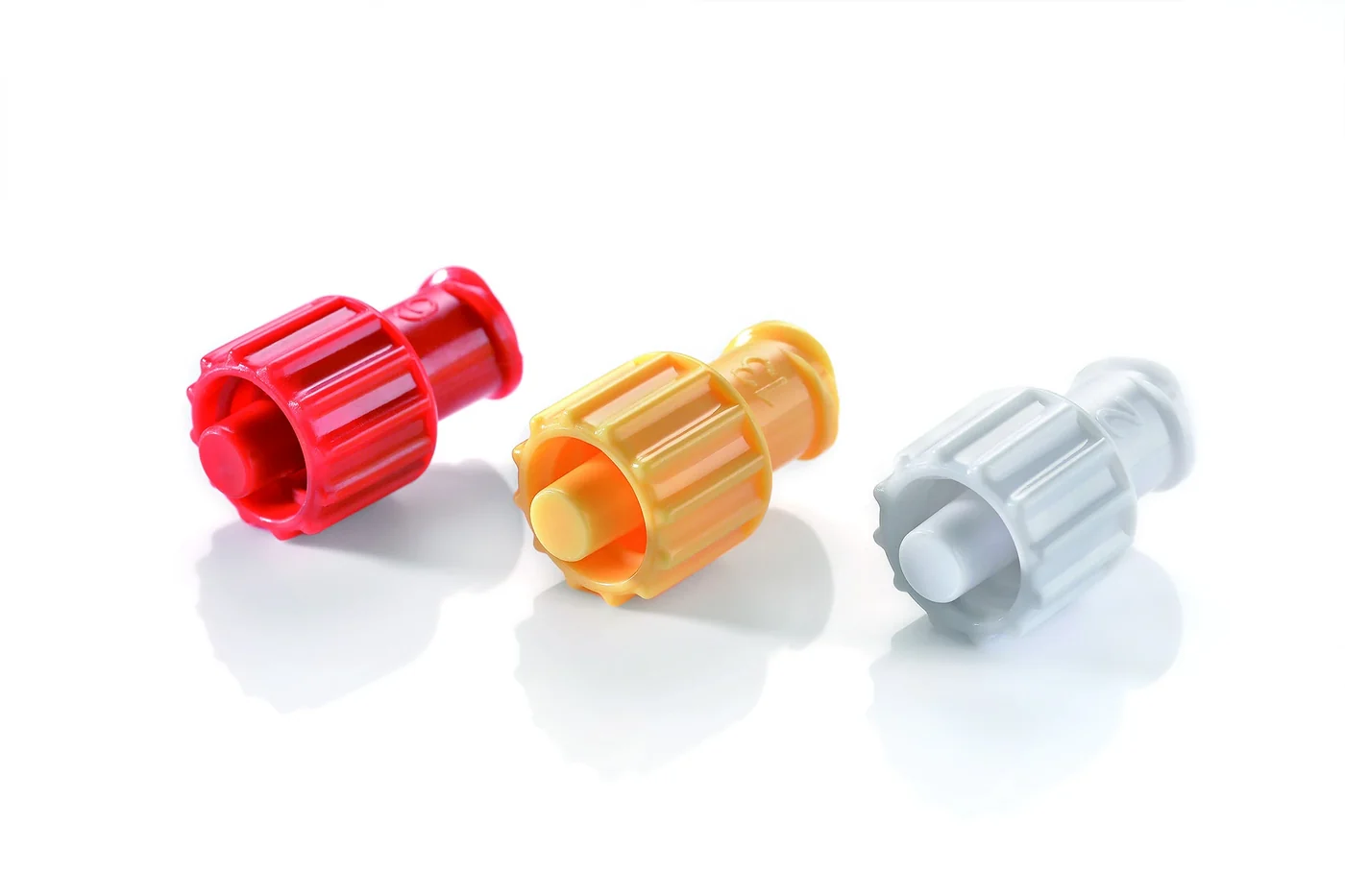
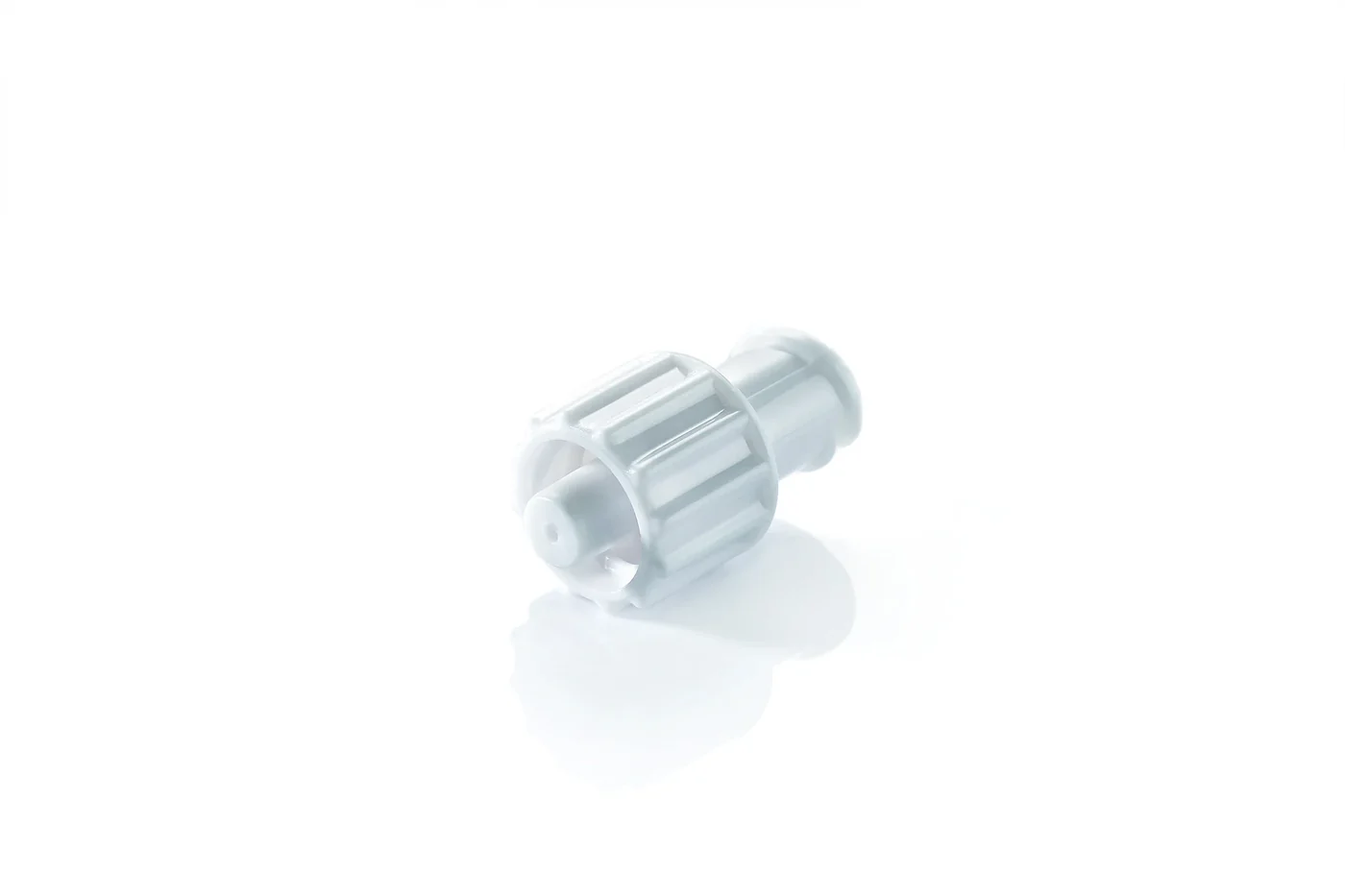
Luer lock connectors are the part nobody specifies until a set leaks. We mould male and female bodies in long, short and flat-face styles, ported and non-ported, in a compact version for space-constrained assemblies, and in eight standard colours for line identification. The taper is cut to ISO 594 / ISO 80369-7 so the part mates with any compliant fitting rather than only with our own. Supplied as a bulk component to set assemblers and distributors — tell us the gender, body style, bore and colour and we quote against that, not against a catalogue number.
Specifications
Drawings, material certificates and sterilisation validation supplied on request for your file.
Typical uses
- Joining tubing to stopcocks, manifolds and valves in IV set assembly
- Contrast-injection and drainage set assembly
- Colour-coded line identification without adhesive labels
- Replacement component for distributors servicing existing set lines
Connector bodies we mould
| Body style | Gender | Chosen when | To specify |
|---|---|---|---|
| Long | Male / Female | Gloved hands need grip and thread engagement | Colour, ported or not |
| Short | Male / Female | Assembly length is tight | Colour, bore |
| Flat-face | Male / Female | Seating against a septum rather than a socket | Mating part |
| Compact | Male / Female | Very short run between two components | Overall length limit |
Why the boring part is the one that fails
A Luer connector does one job: hold a seal under pressure while a nurse or a technician turns it with one hand. When it fails it fails quietly — a slow weep at the joint that shows up as a damp dressing, not as an alarm. The two things that cause it are an out-of-tolerance taper and a body that flexes when torqued. Both are moulding problems, which is why we quote on the taper standard and the body style rather than on a picture.
The choices that actually change the part
Gender is obvious. Body style is not: a long body gives more thread engagement and more grip for a gloved hand, a short body saves length in a crowded assembly, and a flat-face body seats against a septum instead of into a socket. Ported versus non-ported decides whether fluid passes through the connector or stops at it. The compact version exists for assemblies where the run between two components is shorter than a standard body.
Colour is a specification, not decoration
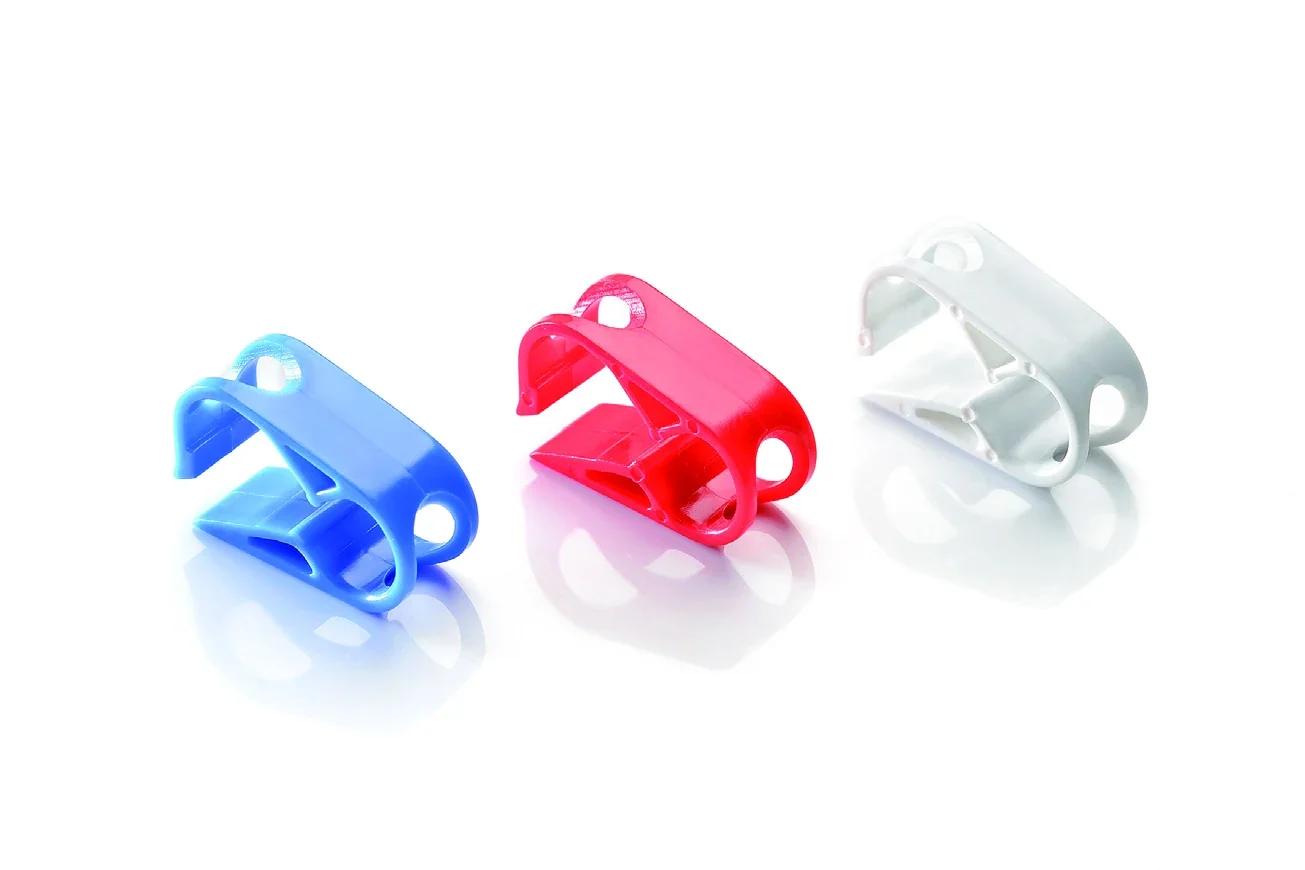
Eight standard colours are available because ward staff use them to tell an arterial line from a drug line at a glance, and because a distributor supplying several hospital groups often needs the same part in different colours per contract. Mixing colours does not multiply the minimum order — they count together.
What to send us for a quote
- Gender and body style (long / short / flat-face / compact)
- Ported or non-ported, and the bore if it matters to your flow spec
- Colour breakdown across the order
- Sterile or non-sterile, and whether you want them pouched or bulk
Questions distributors ask
Will these mate with another manufacturer's fittings?
Yes. The taper is cut to ISO 594 / ISO 80369-7, so the part mates with any compliant fitting. If you are matching an existing set built to a house standard, send us a sample and we will confirm before tooling.
Can I order several colours without hitting the MOQ on each?
Yes — colours count toward one minimum. The 5,000-unit MOQ is per configuration (gender plus body style), and you can split that across the eight standard colours however you like.
Do they come sterile?
They ship non-sterile by default, because most buyers sterilise the finished set rather than the component. EO sterilisation and individual pouching are available if you need the part sterile on arrival.
What is the difference between ported and non-ported?
A ported connector has a through-bore so fluid passes through it. A non-ported one terminates the path — it is used where the connector joins or caps rather than carries. Getting this wrong is the most common error on a first order, so state it explicitly.