Vented Spikes & J Fill Tubes
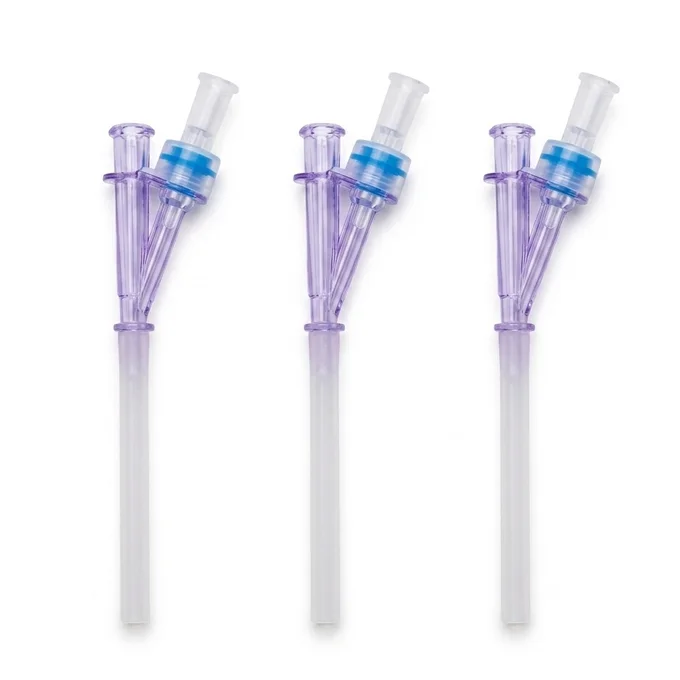
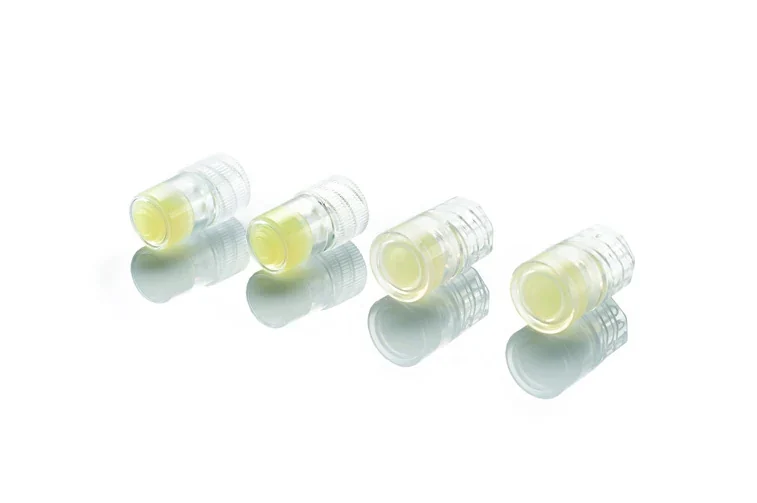
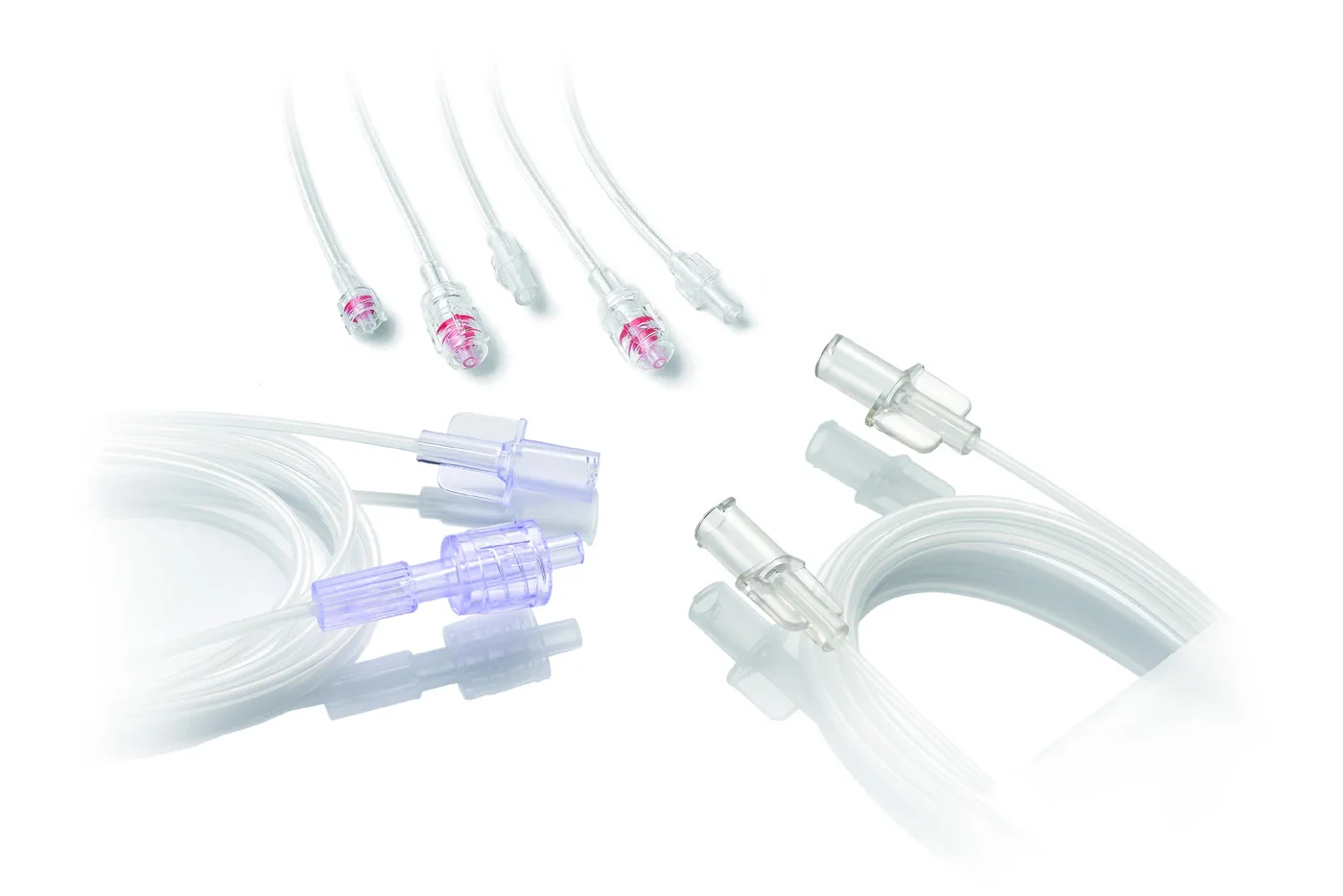
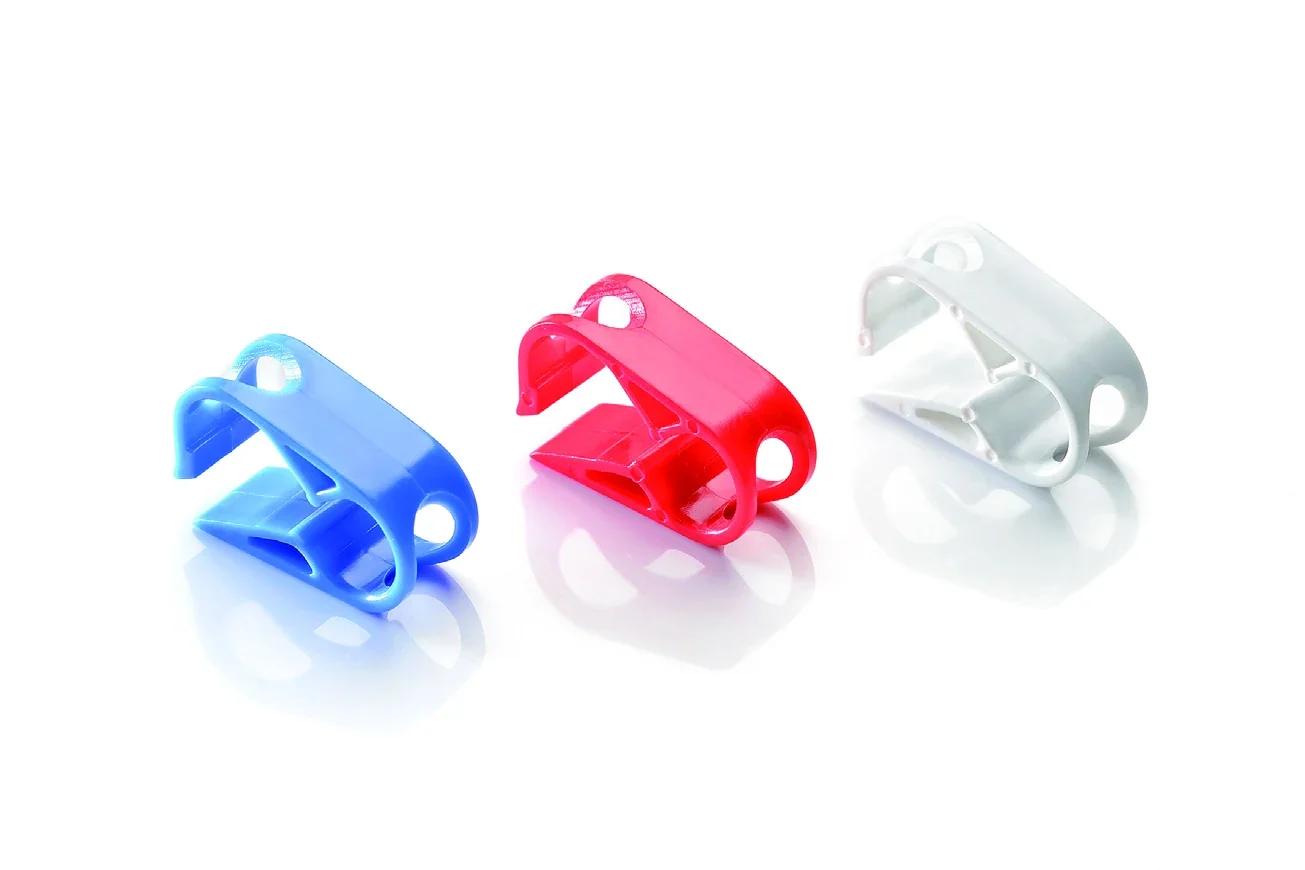
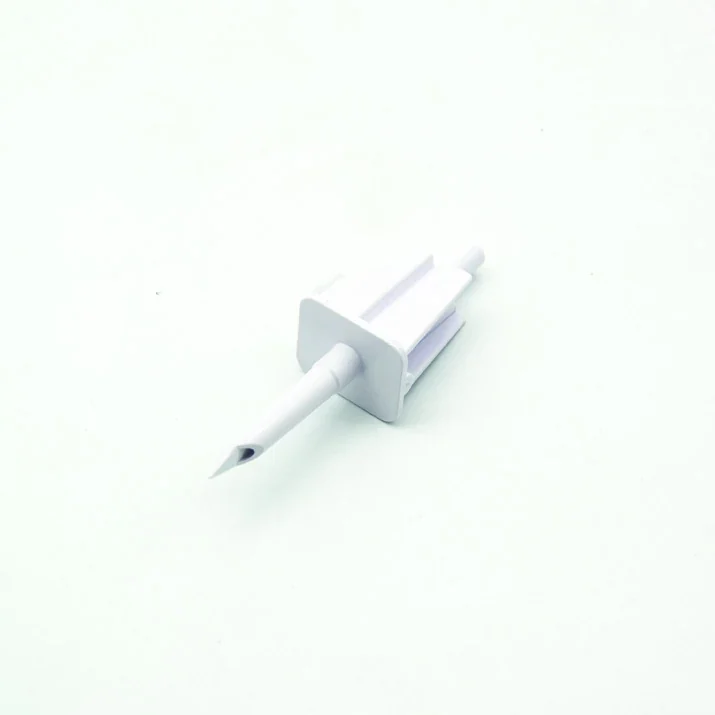
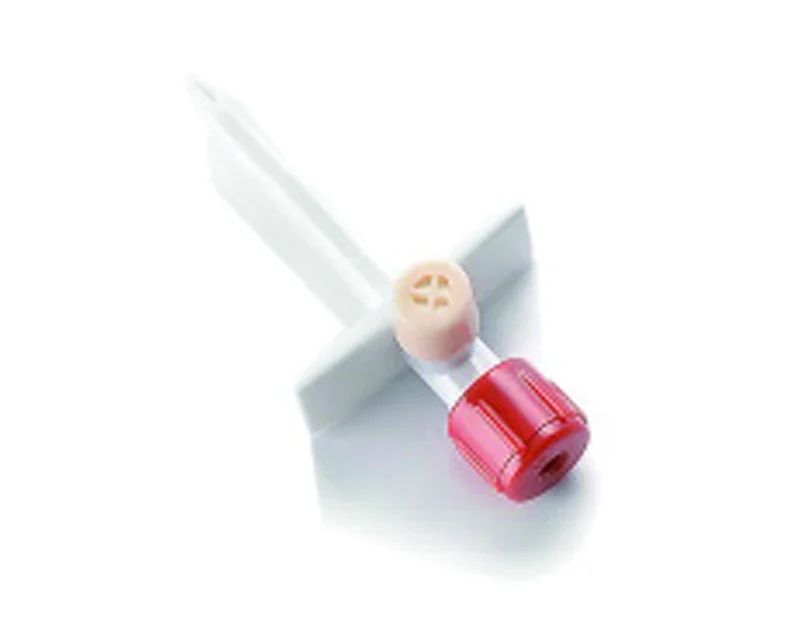
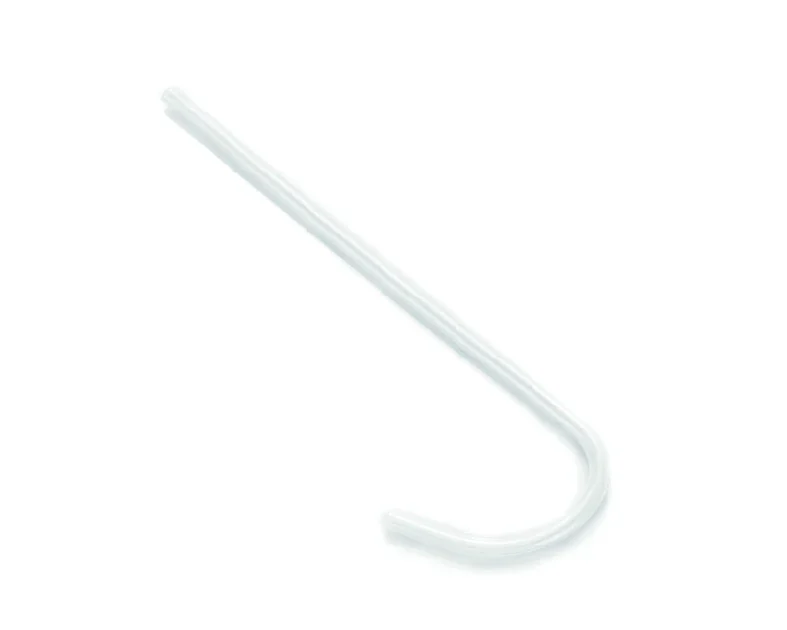
Vented spikes in 20 mm and 34 mm with colour-coded caps, and J-shaped fill tubes for drawing from a bottle. The filling end of a contrast or infusion set.
Overview
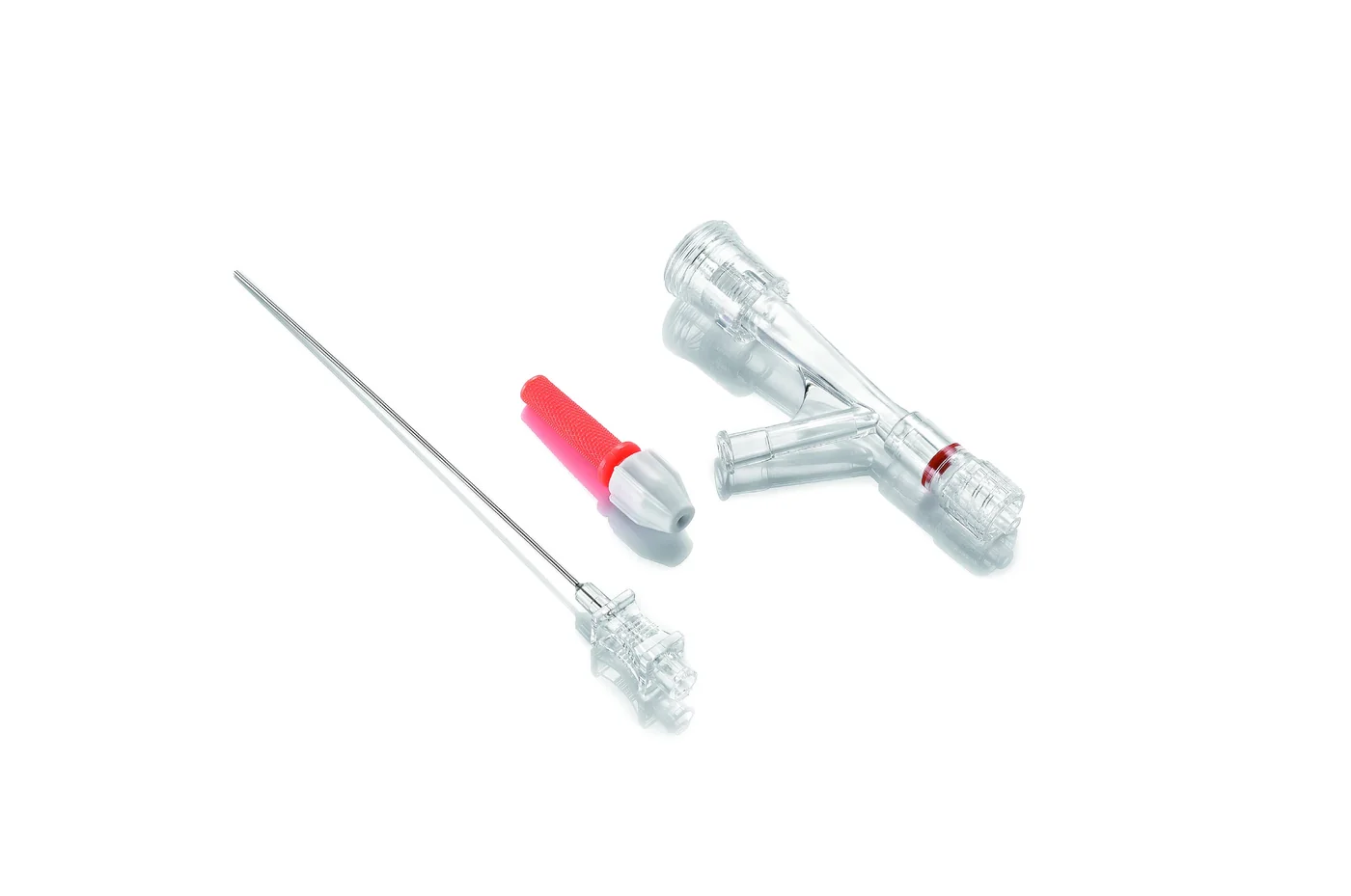
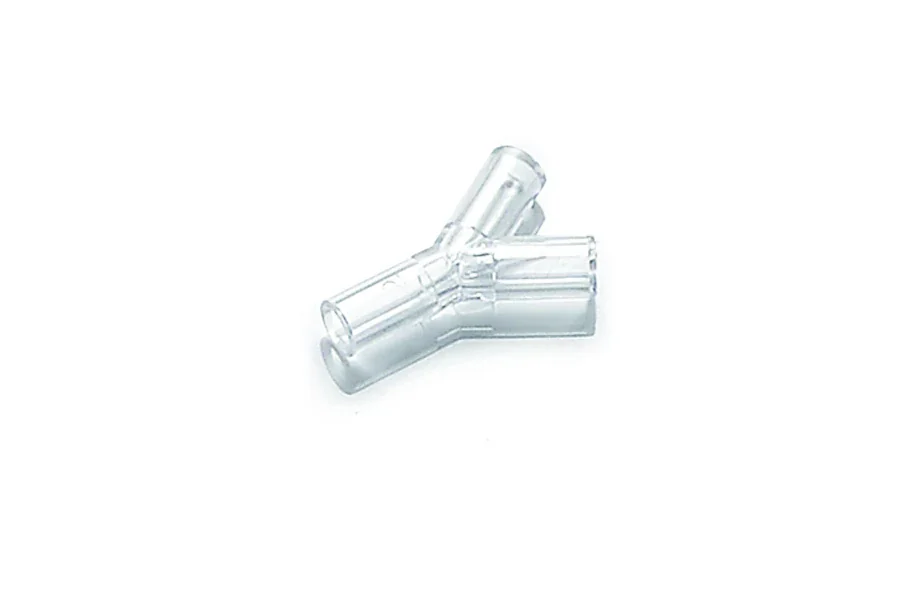
The parts at the container end of a set. A vented spike pierces the bottle and admits air as fluid leaves, so the container does not collapse and flow does not stall — we supply it at 20 mm and 34 mm with colour-coded caps that let staff tell the two apart in a tray. The J fill tube is a moulded curve that reaches the bottom corner of a bottle, which is where the last few millilitres of an expensive contrast agent sit. Both are supplied as bulk components to contrast and infusion set assemblers.
Specifications
Drawings, material certificates and sterilisation validation supplied on request for your file.
Typical uses
- Drawing contrast media from a bottle in an injector set
- Filling syringes and reservoirs from rigid containers
- Infusion set assembly where the container is rigid
- OEM component for contrast and infusion set assemblers
Questions distributors ask
When do I need a vented spike rather than a plain one?
Whenever the container is rigid. A glass or hard plastic bottle collapses no further as fluid leaves, so without a vent a vacuum forms and flow stalls part-way. Collapsible bags do not need one.
Why two spike lengths?
Bottle closures differ in depth. A 20 mm spike that does not reach through a thicker stopper never opens the path; a 34 mm one in a shallow closure protrudes into the fluid further than needed. Match the length to the containers your market actually uses, and use the cap colour to keep them apart on the tray.
Does the J fill tube really recover more?
It reaches the base corner rather than sitting straight in the middle, which is where residual fluid pools once the bottle is tilted. On a contrast agent priced by the millilitre that difference is the reason the part exists.