Toenail Fungus Treatment Without Pills
It's one of the most common searches around toenail fungus: how to treat it without taking oral medication. Whether it's concern about side effects, incompatibility with other drugs, cost, or simply not wanting to take tablets for six months — a large portion of people looking for toenail fungus treatment are specifically looking for external-only options.
Why so many people want to avoid antifungal tablets
The liver concern is real
Terbinafine and itraconazole — the two most commonly prescribed oral antifungals — can affect liver function in a small percentage of patients. Blood tests before and sometimes during treatment are recommended for some groups. This is a deterrent for many people, even if the actual risk is low.
Drug interactions
Oral antifungals interact with a surprisingly wide range of other medications, including some common heart and cholesterol drugs, blood thinners and antidepressants. For people on multiple medications, this can make oral antifungal treatment complicated.
The course is long
Six months of daily medication for a toenail problem feels disproportionate to many people — especially when the nails don't look any different for the first few months. Compliance suffers when there's no visible feedback that the treatment is working.
Prescription access and cost
In some countries and healthcare systems, getting a prescription for oral antifungals involves waiting for appointments, blood tests, and potentially significant out-of-pocket costs. People looking for accessible care turn to over-the-counter and natural options.
What external treatment can and can't do
External-only treatment isn't the right answer for every case. Severe systemic involvement, multiple deeply affected nails in immunocompromised individuals, or nail fungus combined with active skin infections may need professional medical management.
But for the majority of people with toenail fungus — mild to moderate discoloration and thickening, cosmetically bothersome but not causing systemic problems — external care is a reasonable approach. The key is understanding what makes external treatment work, which is mostly a question of consistency and contact time rather than product strength.
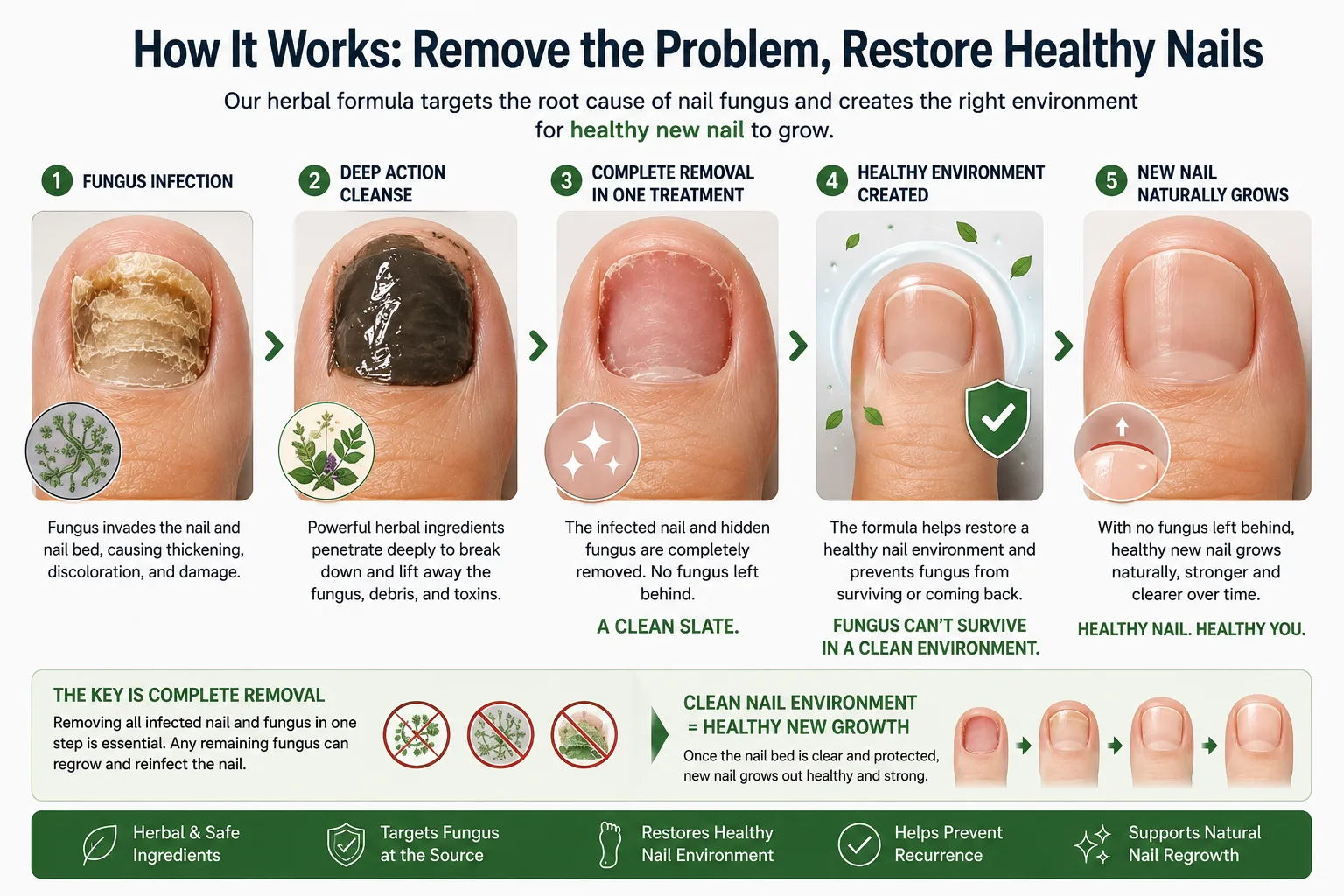
External options compared
Why the wrap method matters for external treatment
The biggest limitation of any external nail treatment is that the nail plate itself acts as a barrier. Most creams applied to the nail surface and left open quickly evaporate or wash off before the active ingredients can penetrate meaningfully.
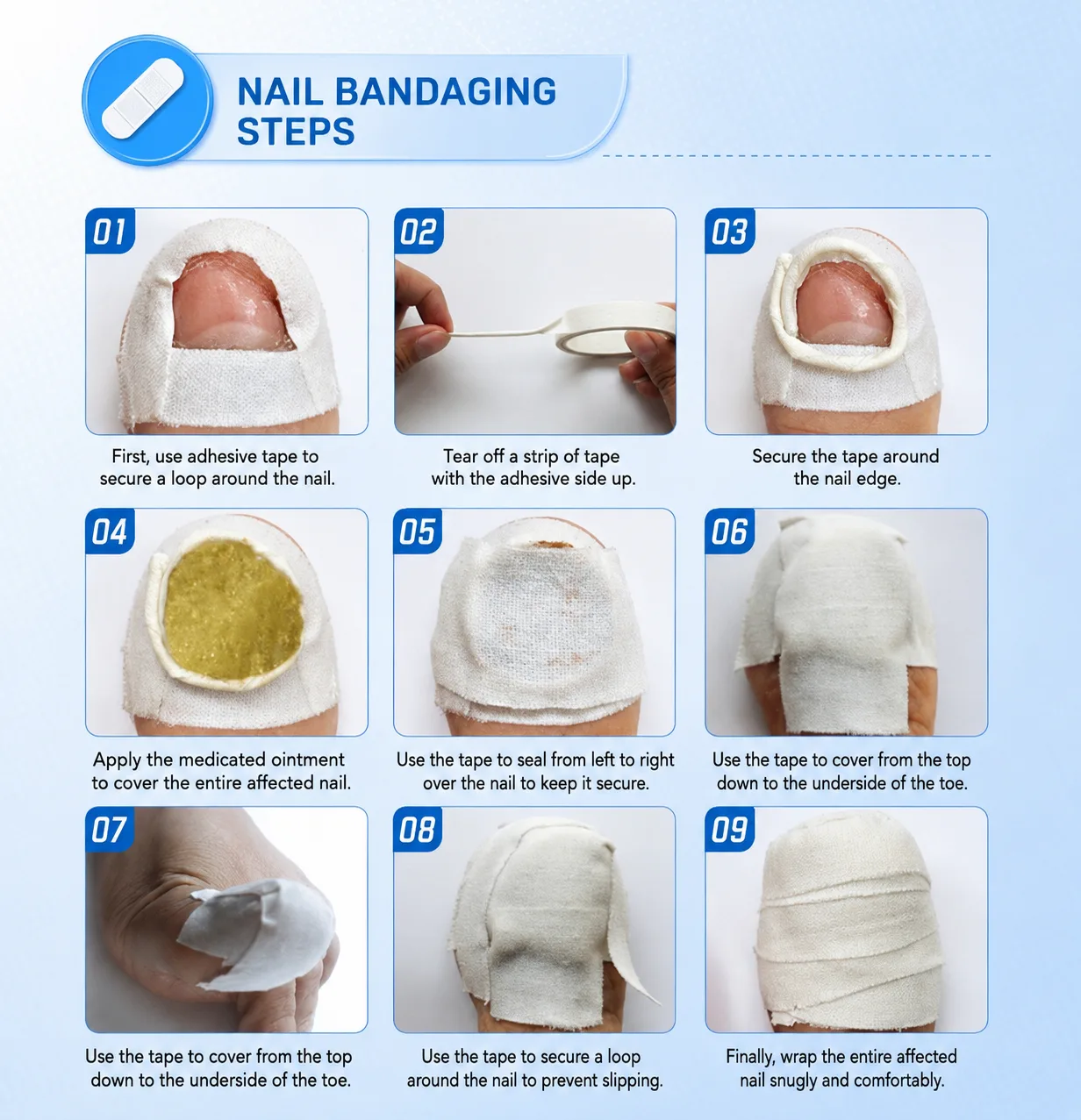
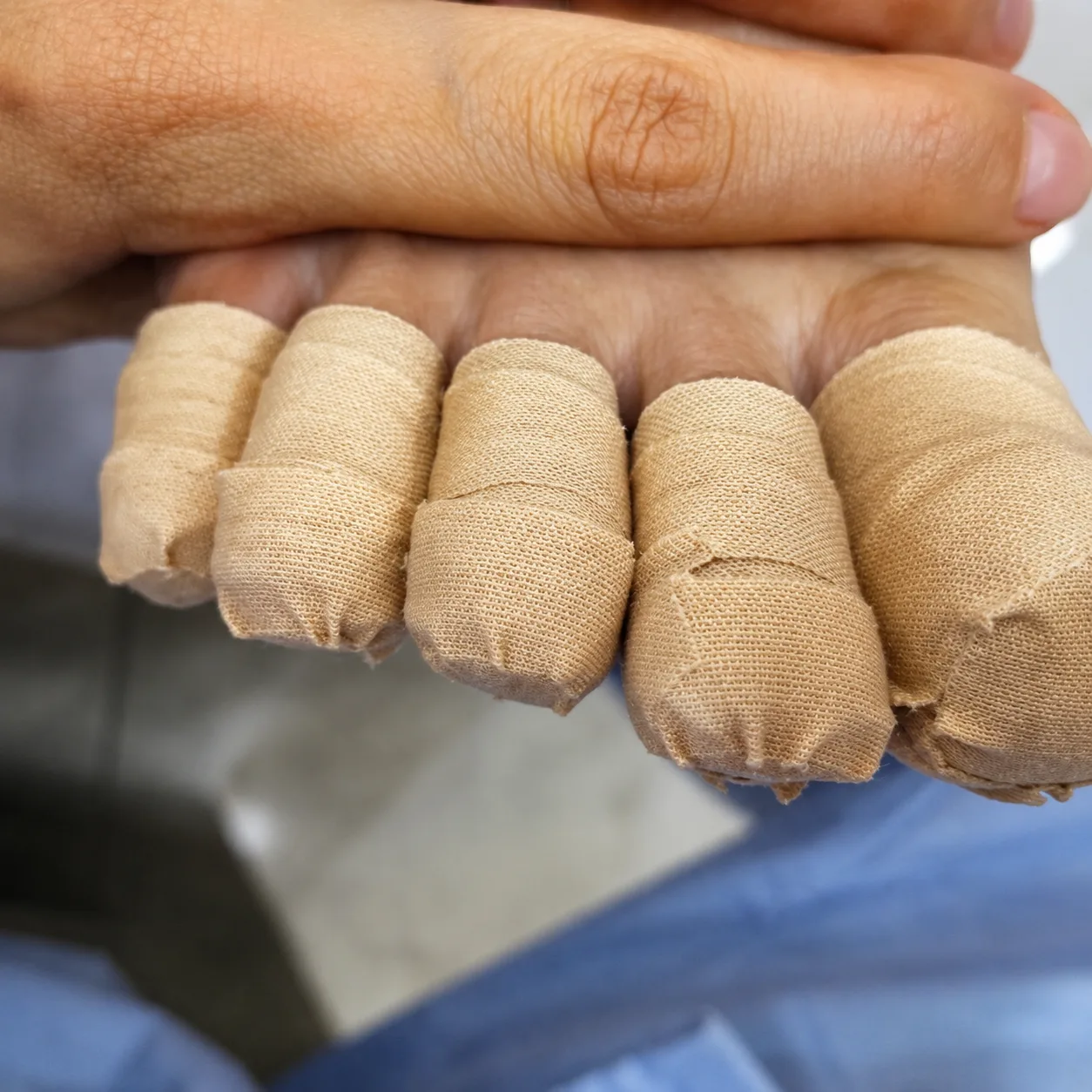
The wrap technique solves this by keeping the product sealed against the nail surface for 5–7 consecutive days. The enclosed environment both prevents evaporation and slightly softens the nail plate (particularly when combined with salicylic acid), improving penetration. This extended contact time is what distinguishes the herbal wrap approach from casual daily dabbing.
Supporting your external routine with good habits
External treatment doesn't work in isolation. The nail environment matters. A few habits significantly improve outcomes:
Want an external option with no tablets involved?
No prescription and no oral antifungals — just a herbal cream sealed against the nail with the wrap method. Sample orders, wholesale supply and OEM packaging available.