Hemostatic Compression Band — Radial & Balloon Type
SKU: XY-CBD | Banda de Compresión Hemostática — Radial y de Balón
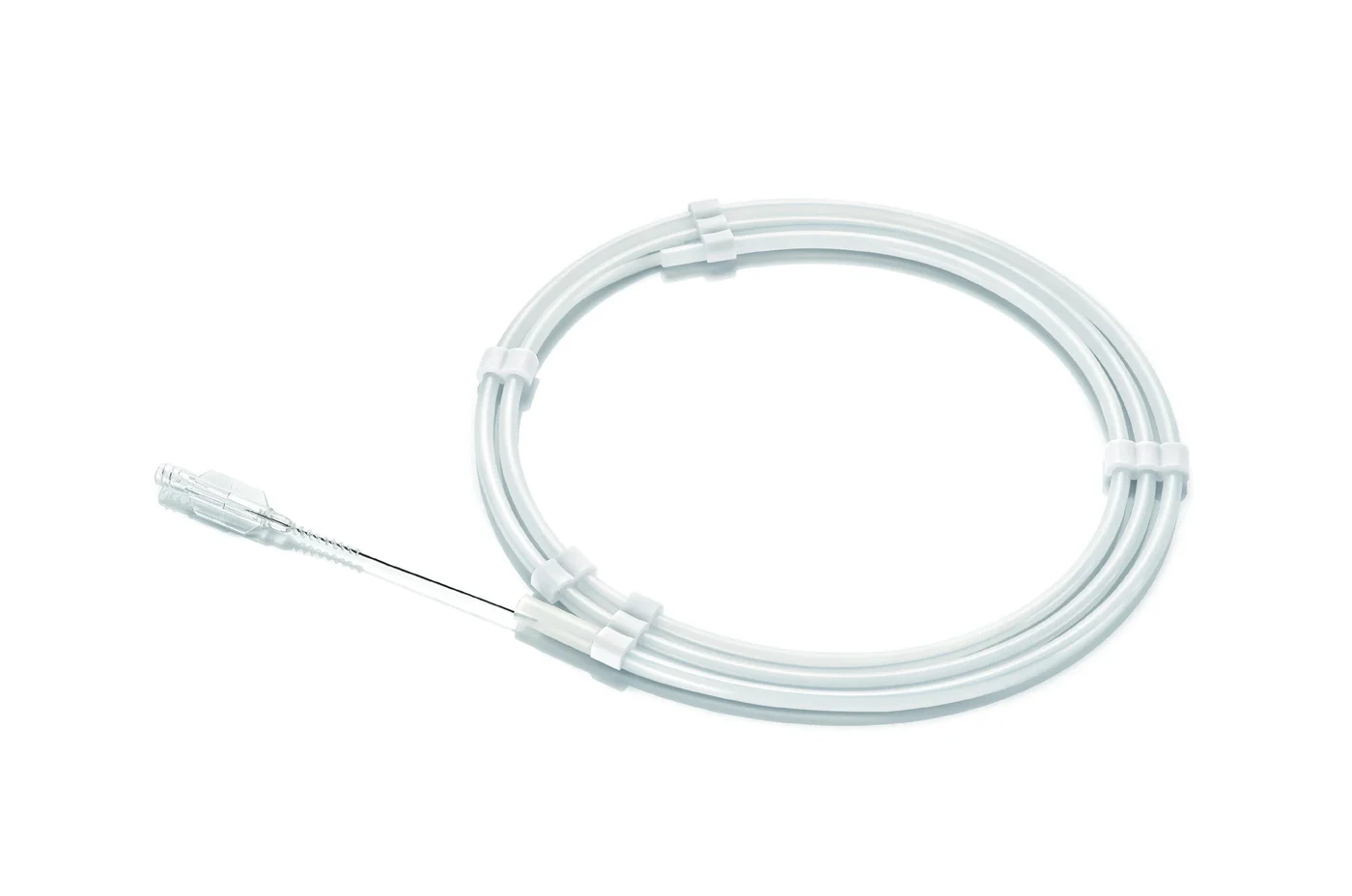
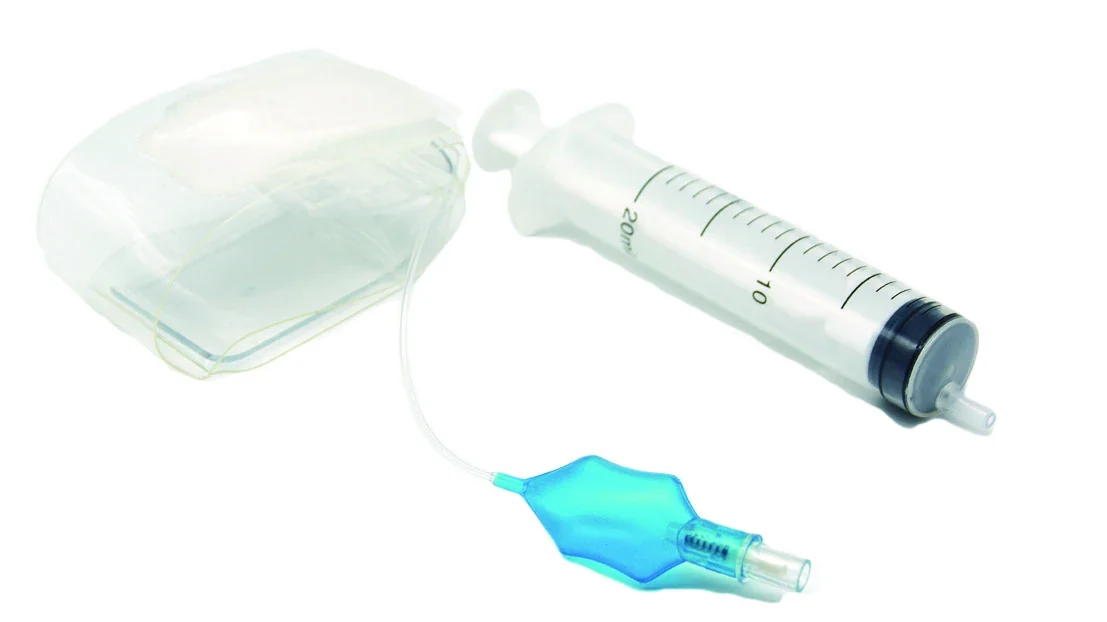
The compression band closes the radial access cycle: with the introducer out, it holds controlled pressure on the puncture point for the hours the artery needs. The balloon type — the one that won the market — inflates a chamber with a syringe over the exact point: pressure adjusts in millilitres, steps down during weaning (the progressive-decompression protocol same-day discharge programmes run) and the clear window lets staff watch the point without removing anything. The 70 mm radial band is the wrist reference; the 24, 27 and 29 cm balloon bands cover larger circumferences and other compression points. The 23 cm textile wristband is the simple no-balloon alternative. A radial programme buys access and closure together — introducer sets and bands at 1:1 — and that is how we quote it.
Technical Specifications
Clinical Uses
- Radial hemostasis after coronary angiography and intervention
- Same-day discharge programmes with stepwise weaning
- Compression of other access points with the long bands
- 1:1 purchase with radial introducer sets
Frequently Asked Questions — Hemostatic Compression Band — Radial & Balloon Type
Why did the balloon type displace simple compression?
Control. Pressure is set in millilitres of air, documented and stepped down by syringe during weaning — the protocol that allows same-day discharge without late radial occlusion. Textile compression squeezes or does not; the balloon graduates. The clear window adds point observation without touching anything.
What is stepwise weaning?
Progressive decompression: at protocol-defined intervals, millilitres are withdrawn from the chamber until complete hemostasis is confirmed. It preserves radial artery patency — the quiet goal of every radial programme, because an occluded radial mortgages future access.
When are the 24/27/29 cm bands used?
When circumference or compression point exceeds the wrist: forearm, ankle in paediatric or distal access, wide wrists. Same balloon mechanism; the strap length changes.
How is the order sized?
1:1 with radial introducer sets — every access opened gets closed. Ambulatory programmes add a small surplus for replacements. We quote access + closure in the same order; ISO 13485 documentation and technical file included.
Request a Quote — Hemostatic Compression Band — Radial & Balloon Type
Reply within 24 business hours with FOB/CIF price, MOQ and lead time. SKU XY-CBD is already attached to your request — just add the quantity.
Request a Sample
Samples available for evaluation. Basic items: free sample. Higher-value items: a sample fee may apply. Shipping not included.
Full Description — Hemostatic Compression Band — Radial & Balloon Type
Why the balloon type won
Pressure set in millilitres, documented, stepped down with a syringe on protocol — that is what same-day radial discharge runs on. Textile bands squeeze or don't; the balloon graduates. The clear window adds observation without touching anything.
The quiet goal: radial patency
Weaning by steps preserves the radial artery — an occluded radial mortgages future access, which is why the decompression protocol matters as much as the initial pressure.
Sizing beyond the wrist
24/27/29 cm bands carry the same balloon to forearms, ankles and wide wrists.
What to confirm before ordering
- 1:1 ratio with radial introducer sets, plus ambulatory surplus - Split across radial band / long bands / wristband