Y Hemostasis Valve Set — Twist, Push-Pull & Click
SKU: XY-HVS | Set de Válvula Hemostática en Y — Rosca, Push-Pull y Click
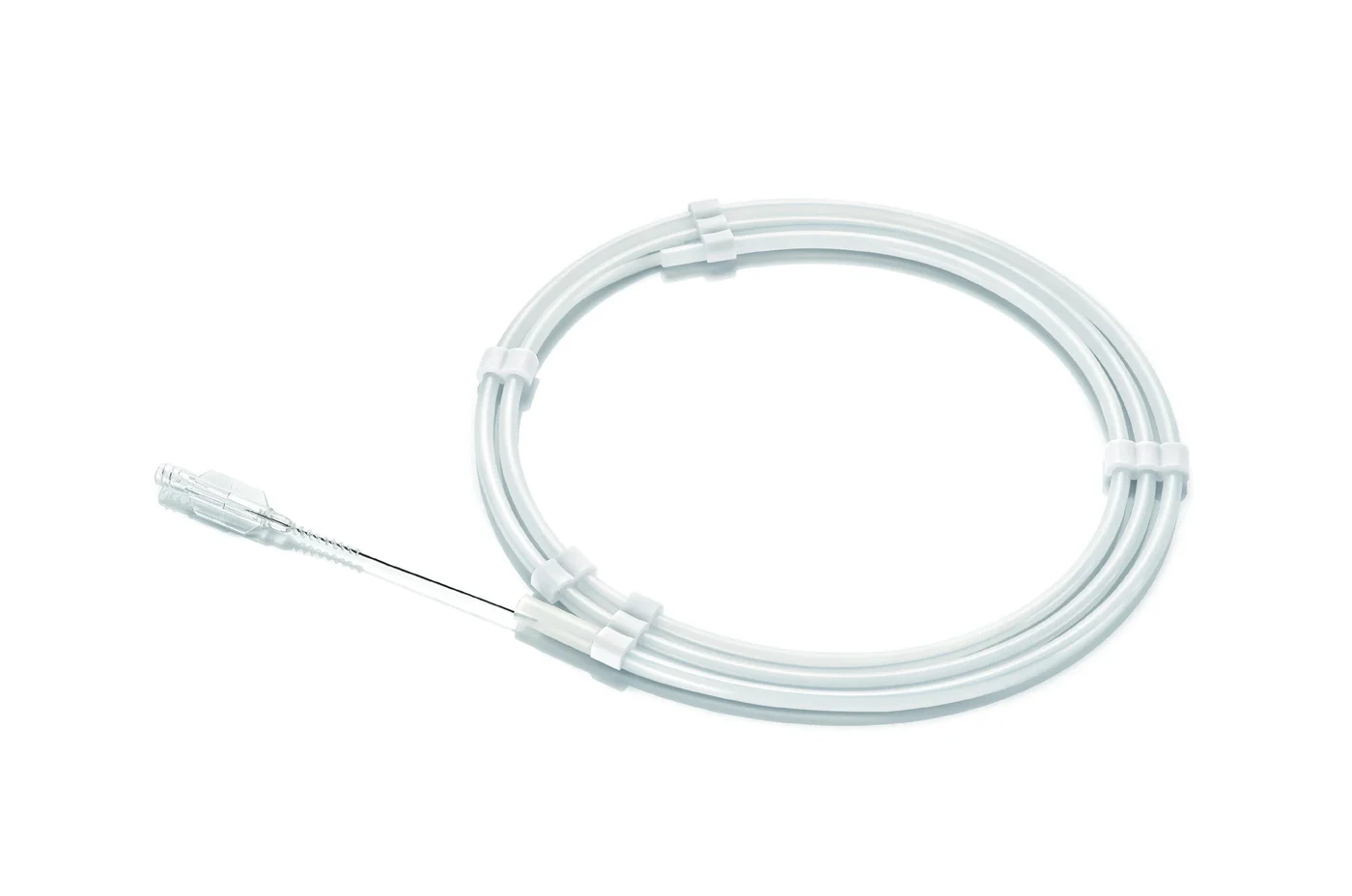
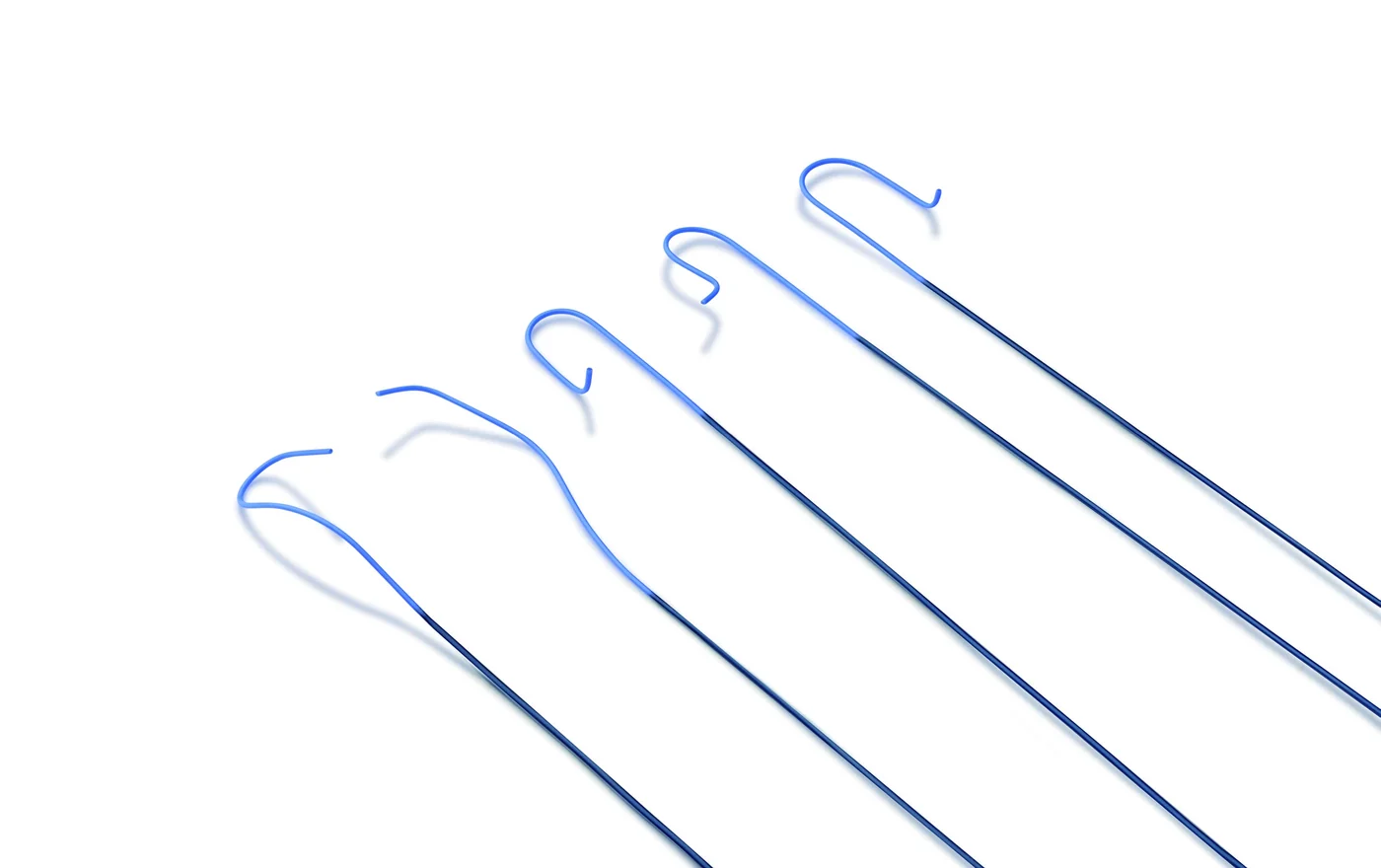
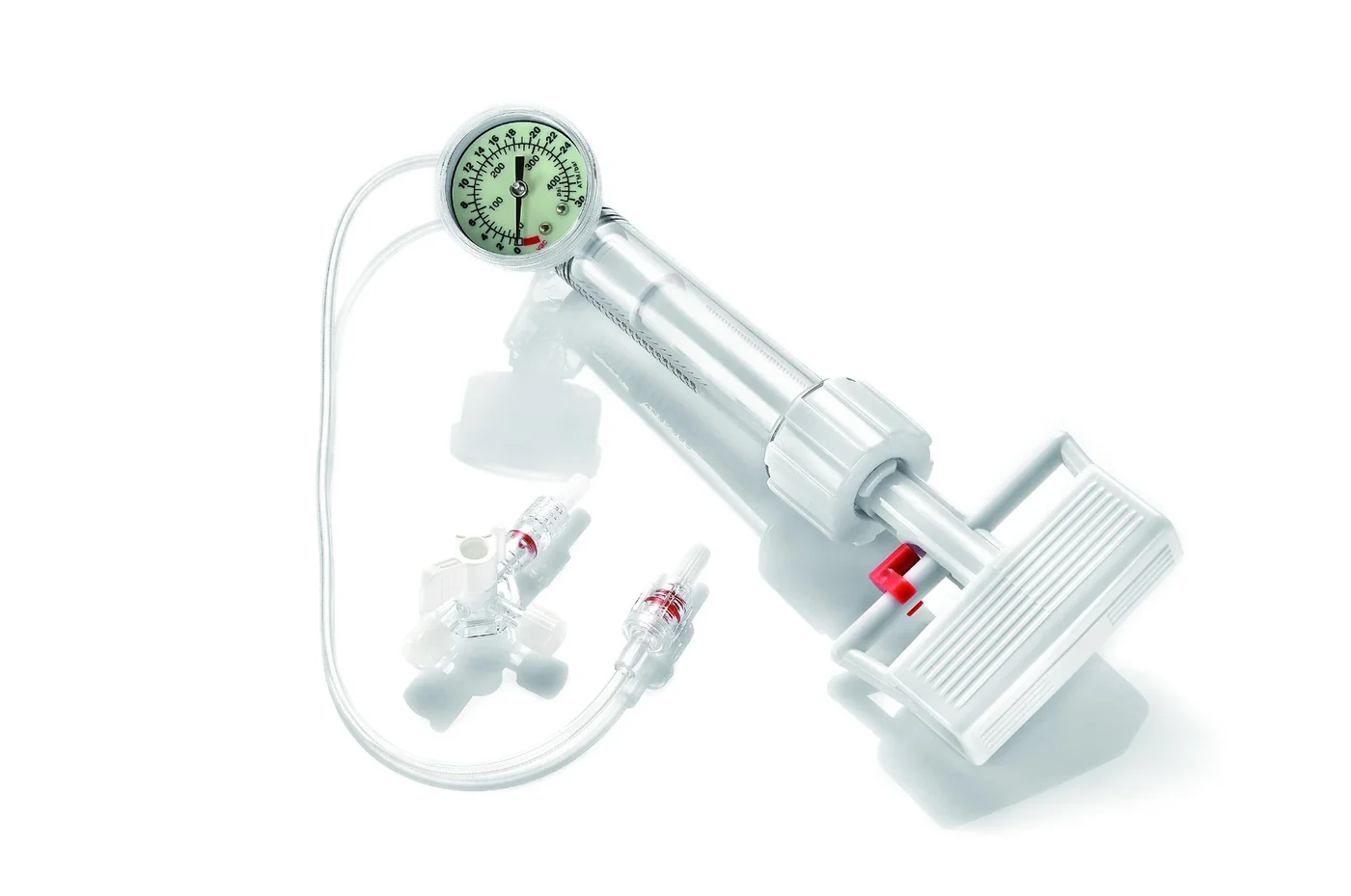
Procedure set with the three items that are used together at the table: the Y hemostasis valve that seals around the wire or balloon while it advances, the inserter that straightens a J tip to enter the port, and the torquer that steers the wire precisely. Selling them together is not commercial bundling but table logic — they are opened together, used together and discarded together. The valve comes in three actuations answering different working schools: twist (fine progressive control, the traditional), push-pull (slide to open and close) and click (seal and release in one gesture, for one-handed work). Each can be ordered alone or with a 25 or 45 cm extension line and three-way stopcock factory-fitted. If what you need is the hemostasis connector as a bulk OEM component for assembling your own kits, that reference lives on our components line; this page is the sterile procedure set.
Technical Specifications
Clinical Uses
- Wire and balloon introduction in PTCA with back-bleed control
- Contrast injection through the Y side arm
- Complete table set: valve, inserter and torquer in one pack
- Replenishment by the unit's preferred actuation
Actuations and configurations
Actuation is a school preference: every market has its dominant one, worth confirming before fixing the mix. The extension configuration saves an assembly step at the table.
| Actuation | How it seals | Configurations |
|---|---|---|
| Twist | Rotating the cap, progressive closure | Alone · +25 cm & stopcock · +45 cm & stopcock |
| Push-pull | Sliding, opens/closes in one movement | Alone · +25 cm & stopcock · +45 cm & stopcock |
| Click | Press and release in one gesture, one-handed | Alone · +25 cm & stopcock |
Inserter and torquer accompany every configuration. For bulk non-sterile components (assemblers), see the OEM hemostasis connector line.
Frequently Asked Questions — Y Hemostasis Valve Set — Twist, Push-Pull & Click
How does this set differ from the OEM hemostasis connector?
The core part is the same family; the purchase format changes. This set is sterile, procedure-ready, with inserter and torquer included — opened at the table and used. The OEM reference is the bulk, non-sterile connector for assemblers integrating it into their own kits. Price, MOQ and documentation differ; choose by your business model.
Which actuation should I order for my market?
The one your operators trained on. Twist dominates where the classic-equipment generation formed; click wins where one-handed work is valued. Entering a new market, order a mixed box of twist and click before committing volume — the advice we always give, and the one that prevents dead inventory.
Does the extension come fitted or loose?
Factory-fitted and sterilised as one assembly. The point of ordering it that way is removing a hand-made connection at the table: less handling and one fewer leak point.
Does it seal on any wire?
The seal is built for the wire range you declare — 0.014" is the coronary standard. A valve built for thick wire weeps around a thin one, so state your unit's real range when quoting.
Request a Quote — Y Hemostasis Valve Set — Twist, Push-Pull & Click
Reply within 24 business hours with FOB/CIF price, MOQ and lead time. SKU XY-HVS is already attached to your request — just add the quantity.
Request a Sample
Samples available for evaluation. Basic items: free sample. Higher-value items: a sample fee may apply. Shipping not included.
Full Description — Y Hemostasis Valve Set — Twist, Push-Pull & Click
Why it ships as a set
Valve, inserter and torquer open together, work together and are discarded together. Splitting them across three orders adds nothing but handling.
Choosing the actuation
Twist rules where the classic generation trained; click wins where one-handed work is valued; push-pull sits between. Entering a new market, a mixed box answers the question in a month of real use.
Set or component?
This page is the sterile procedure set. The same valve family as a bulk, non-sterile OEM component — for assemblers building their own kits — lives on the components line with component MOQs and pricing.
What to confirm before ordering
- Actuation mix, extension or bare - Wire range the seal must close on (0.014" typical in coronary) - Set volume vs OEM component volume, if you run both models