US hospital systems spend over $80 billion annually on medical-surgical consumables, and ICU disposables represent the highest-velocity, most cost-sensitive category. From post-pandemic supply chain restructuring to GPO contract renegotiations, US procurement leaders are actively seeking alternative certified suppliers to reduce single-source risk. This guide covers the 10 ICU disposable categories in highest demand at American hospitals and what to look for when evaluating a new supplier.
1. Disposable Breathing Circuits
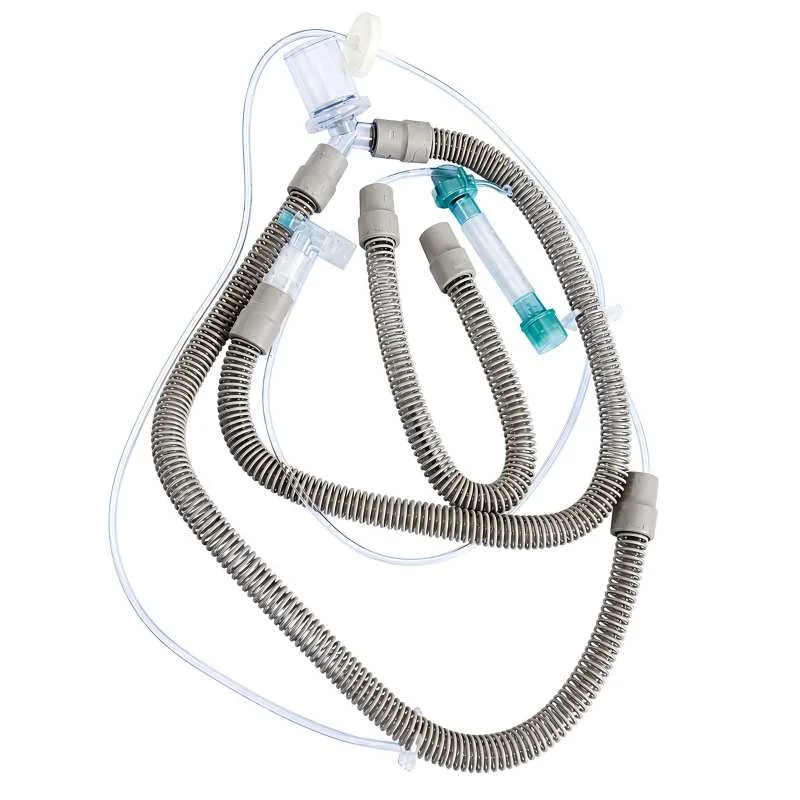
Single-use breathing circuits are the most consumed ICU respiratory supply in US hospitals, with ventilator-dependent patients requiring circuit changes every 5–7 days (per current CDC VAP prevention guidelines) or immediately upon visible contamination. Adult circuits with dual-limb corrugated tubing, water trap, and 22/15 mm ISO connectors are the standard. Look for latex-free, DEHP-free materials and CE/ISO 13485 documentation for US distributor compliance.
2. HME (Heat & Moisture Exchanger) Filters
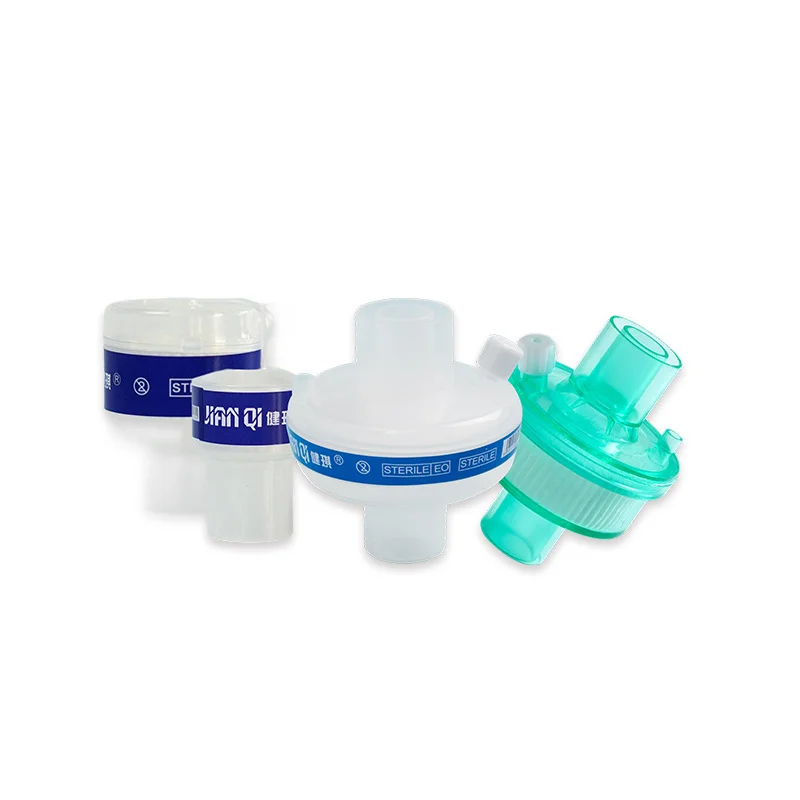
HME filters replaced active humidifiers in the majority of US ICU protocols for short-term mechanical ventilation (< 96 hours). A quality HME filter should deliver BFE ≥ 99.99% and VFE ≥ 99.99%, with dead space under 30 mL for adult use. Per CDC guidelines, HME filters are changed every 24 hours in most US ICU protocols — a high-volume, daily-use consumable that makes pricing critical for high-census facilities.
3. Suction Catheters
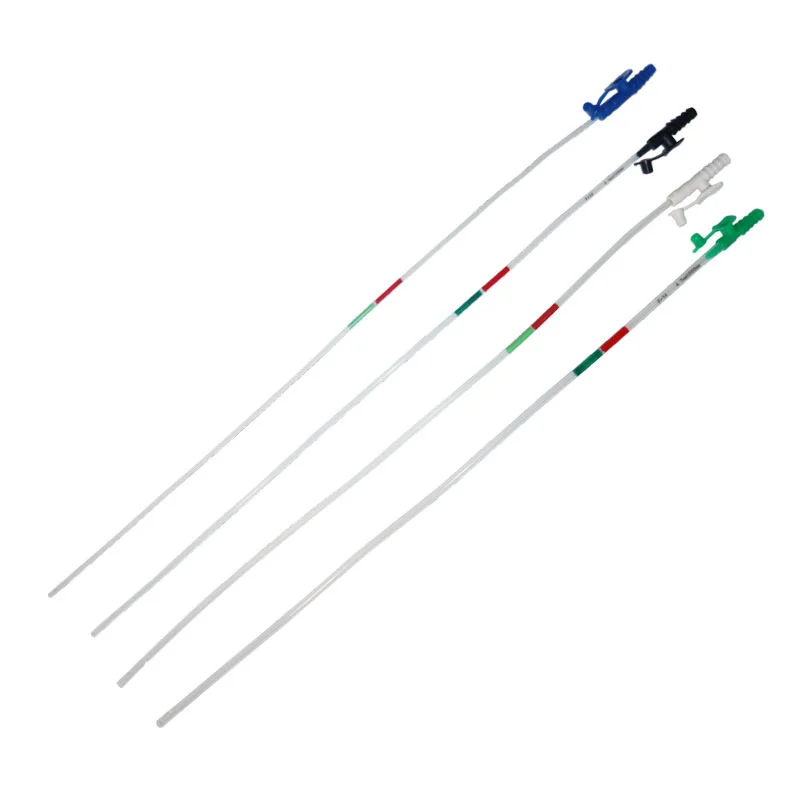
Tracheal suction is the most frequently performed ICU procedure. US hospitals standardize on single-use French 12–16 suction catheters for adults. Closed-circuit suction catheter systems (in-line suction) are preferred in COVID-positive and immunocompromised patient cohorts. Open-circuit catheters in individual sterile peel-packs remain standard for general ICU use. PVC material with atraumatic tip (Type II) and thumb control valve are baseline specifications.
4. Central Venous Catheter (CVC) Kits
CVC insertion kits for subclavian, internal jugular, and femoral access are high-volume ICU procedural items in US hospitals. US-standard kits include needle, guidewire (Seldinger technique), dilator, CVC catheter with multiple lumens, suture, and dressing. CE-marked kits with complete English-language IFU and ISO 13485 quality documentation are accepted by US GPO procurement channels without additional regulatory filings.
5. Foley Catheters & Urinary Drainage Systems
Urinary catheter-associated infections (CAUTI) are a major focus of US hospital quality programs. Silicone or silicone-coated Foley catheters in sizes 12–20 Fr, with 5–10 mL balloon and closed drainage system, are standard ICU supply. Hospitals participating in CDC NHSN tracking closely monitor CAUTI rates — silver-alloy or hydrogel-coated catheters carry a premium but are increasingly preferred in high-risk patient populations.
6. Surgical Drapes & Sterile Field Products
Surgical drapes, fenestrated drapes, and sterile procedure kits for bedside ICU procedures (CVC insertion, thoracentesis, lumbar puncture) are daily-use consumables. AAMI Level 1–4 barrier protection classifications apply in US facilities. Disposable drapes with adhesive fenestrations and reinforced procedure zones have largely replaced reusable drapes in US ORs and ICUs due to infection control protocols.
7. IV Infusion Sets & Microdrop Regulators
IV administration sets, extension tubing, and microdrop sets (60 drops/mL) for precision medication delivery are high-volume pharmacy and nursing supply items. US hospitals typically change primary IV tubing every 96 hours (per INS guidelines) and secondary sets every 24 hours. DEHP-free IV tubing is required in California and increasingly preferred nationally for neonatal, pediatric, and ICU applications involving lipid-containing solutions.
8. Oxygen Delivery Devices
Nasal cannulas (low-flow and high-flow variants), simple face masks, and non-rebreather masks are essential in every US hospital unit from ED to ICU. Standard adult nasal cannulas (1–6 L/min) are changed at minimum every 48 hours per patient. Nasal cannulas for CPAP, high-flow nasal cannula (HFNC) therapy, and neonatal oxygen delivery represent the growing premium segment driven by respiratory therapy department standardization.
9. Examination Gloves
Nitrile examination gloves have largely replaced latex in US hospitals due to latex allergy prevalence in healthcare workers. Powder-free, AQL ≤ 1.5, Class I medical device gloves (per FDA 21 CFR 880.6250) are the US standard. Procurement quantity at large US health systems exceeds millions of pairs monthly — volume pricing and consistent sizing (XS through XL) are critical procurement criteria.
10. Specimen Collection Supplies
Specimen collection — urine containers, stool specimen collectors, nasopharyngeal swabs, and blood collection tubes — are daily-volume hospital supply items processed through laboratory services. Post-COVID NP swab demand permanently elevated the awareness of consistent, reliable specimen collection supply chains in US hospitals. ISO 13485-certified suppliers with documented sterility and labeling compliance have a significant advantage in US procurement evaluations.
Preguntas Frecuentes
Do US hospitals accept CE-marked medical devices from foreign manufacturers?
Yes. CE marking, combined with ISO 13485 quality system certification, is widely accepted in US GPO and hospital procurement processes for Class I and Class II medical devices (consumables, disposables). FDA 510(k) clearance is required only for devices that are marketed with specific clinical claims or that are higher-risk devices. The majority of disposable ICU consumables (breathing circuits, suction catheters, drapes, gloves) do not require FDA 510(k) for commercial sale.
What documentation do US medical distributors require from foreign suppliers?
Typically: CE Declaration of Conformity, ISO 13485 certificate, Free Sale Certificate from the country of manufacture, English-language product technical data sheets, and English IFU. For certain product categories, biocompatibility data (ISO 10993) and sterility validation summaries may be requested during distributor qualification.
What are typical MOQs for ICU disposable supplies from a wholesale manufacturer?
Breathing circuits: 100–200 units per SKU for trial orders, 500–1000 units for standard stock orders. HME filters: 50–100 units per SKU for evaluation. Suction catheters: 1 case (usually 100 pcs) for evaluation. For FOB container pricing, full pallet or full container minimums apply. WhatsApp us with your specific item list for itemized pricing.